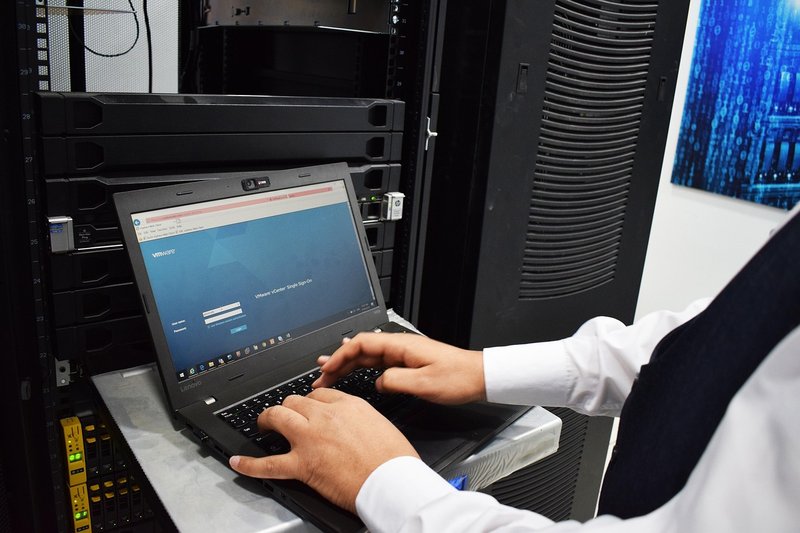

Micron stock rebounds 5% after 17% crash on US data-centre fears
 By Rohit SharmaMarkets Analyst, Peepals Business
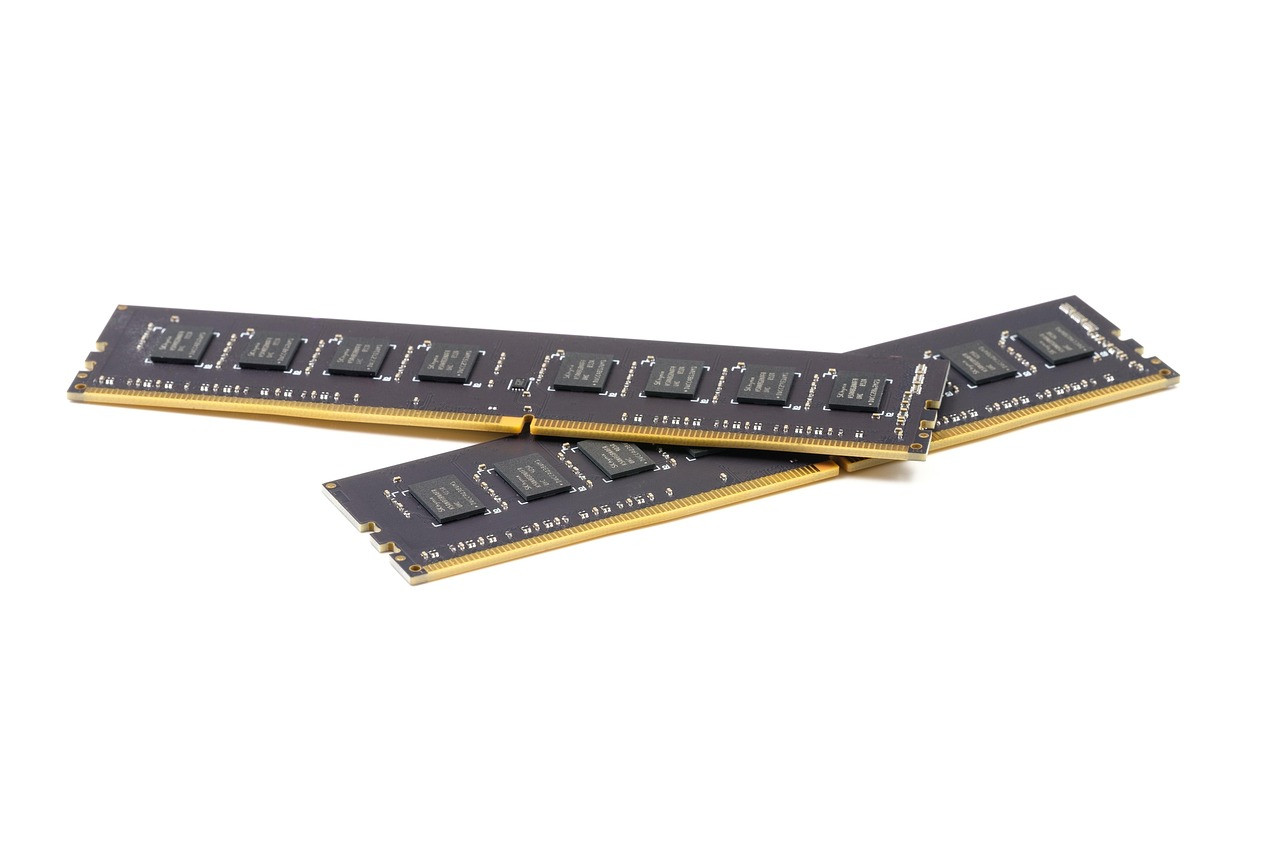
Representative image: Bru-nO / Pixabay
Micron fell 17.46% on 5 November 2026 as data-centre fears hit memory stocks, then closed up 5.12% at $690 on 6 November, still about 13% below Wednesday.
What Happened
Shares of US memory chip makers swung sharply in two days last week. On Thursday, 5 November 2026, Micron Technology fell 17.46% and SanDisk 22.26%, while Western Digital lost more than 17% and Seagate Technology about 16%, as investors worried that new political opposition could slow the building of US data centres, the biggest buyers of memory for artificial intelligence (AI). On Friday, 6 November, the stocks bounced: Micron rose as much as 8.06% to $709.31 in morning trade and closed at $690.00, up 5.12%, according to a market wrap.
Key Facts
- Thursday, 5 November: Micron down 17.46%, SanDisk down 22.26%, Western Digital down more than 17%, Seagate down about 16%.
- The Philadelphia Semiconductor Index, a benchmark of US-listed chip stocks, fell 12% the same day, according to reports.
- Trigger cited by reports: Democratic wins in the 3 November US midterm elections raised fears that local opposition could slow data-centre construction; Goldman Sachs estimated that 45% of planned US data-centre capacity could face restrictions.
- A lawmaker's call for a pause on AI development had already weighed on memory stocks on 5 November, according to market coverage.
- Friday, 6 November: SanDisk rose about 10% and Western Digital about 8% in morning trading; Micron touched $709.31, up 8.06%, at 10:10 am Eastern Time.
- Micron's close on 6 November was $690.00, up 5.12%, according to a later market wrap; Western Digital's closing figure differs between reports.
- One analysis described Friday's move as a technical rebound, meaning buying after a very sharp fall rather than a change in the outlook.
Why It Matters
Memory chips, the DRAM that holds data while a computer works and the NAND flash that stores it, have been among the biggest winners of the AI boom. AI data centres need huge amounts of fast memory, and that demand has pushed memory prices and memory company profits to records. It has also raised the cost of memory for phones and laptops. That is why a political worry about data-centre construction can knock a sixth off a memory maker's value in a day: investors are betting on how many data centres get built, and any sign of fewer is priced in at once.
The swing shows how crowded the AI trade has become. When many investors hold the same stocks for the same reason, a single new risk can send them all to the exit together, and a modest bounce follows once selling runs out. Friday's rise recovered only part of Thursday's loss.
For India, the moves matter in two ways. Indian investors who buy US shares through overseas investment platforms hold these names, and the global chip mood spills into Asian markets: South Korea's KOSPI index, home to Samsung Electronics and SK Hynix, also fell sharply that week. And memory prices feed straight into the cost of smartphones and laptops sold in India, where several brands have cited memory costs for recent price increases.
Peepals calculation: Micron's Friday gain did not undo Thursday's fall. A 17.46% drop followed by a 5.12% rise leaves the stock about 13% below its Wednesday close (0.8254 × 1.0512 ≈ 0.868). Working back from the $690.00 close, Thursday's close was about $656.39 ($690.00 ÷ 1.0512) and Wednesday's about $795 ($656.39 ÷ 0.8254). Our calculation from the reported figures.
| Company | Thursday, 5 November | Friday, 6 November |
|---|---|---|
| Micron Technology | down 17.46% | up 5.12% at close ($690.00) |
| SanDisk | down 22.26% | up about 10% in morning trade |
| Western Digital | down more than 17% | up about 8% in morning trade |
| Seagate Technology | down about 16% | not reported |
Impact
Short-term: Memory stocks are likely to stay volatile while investors watch for any concrete moves by newly elected US officials on data-centre permits.
Long-term: If data-centre building does slow, memory demand growth could cool, which may eventually ease the memory cost pressure on phones and PCs; if building continues, the sell-off may prove brief.
Who is affected: Shareholders of memory and storage companies, including Indians investing in US stocks, chip-heavy Asian markets, and consumers buying memory-intensive devices.
Key Takeaway
Micron fell 17.46% on 5 November 2026 on fears of slower US data-centre building and recovered 5.12% the next day, leaving it about 13% below its Wednesday close.
Questions and Answers
Why did Micron stock crash on 5 November 2026?
Reports linked the fall to fears that Democratic gains in the US midterm elections could lead to local opposition slowing data-centre construction, with Goldman Sachs estimating 45% of planned capacity could face restrictions. A lawmaker's call for an AI pause added to the pressure.
Did Micron stock recover?
Partly. It rose as much as 8.06% on 6 November and closed at $690.00, up 5.12%, still about 13% below its level before the fall.
Which other memory stocks fell?
SanDisk fell 22.26%, Western Digital more than 17% and Seagate about 16% on 5 November, and the Philadelphia Semiconductor Index dropped 12%.
Why does this matter for phone and laptop prices?
AI data centres have driven up demand and prices for memory chips, which several device makers have cited when raising prices. A slowdown in data-centre building could change that demand, but no such slowdown has been confirmed.
Disclaimer: Prepared by the Peepals newsroom from publicly available sources with AI assistance. Information is accurate to the best of our knowledge at the time of publication and may change. Images may be representative. Not professional advice. Report an error via our contact page.
By Rohit Sharma, Markets AnalystCovers Markets Watch and more for Peepals Business. All stories by Rohit Sharma
RBI cyber rules for payment operators: one rulebook, small firms by 2028
India data centre capacity to reach 7.5 GW by FY30, says Crisil
Get the day's stories in your inbox
Peepals Weekly: the week decoded, free. One email a week, unsubscribe in one click.
Rohit Sharma is a pen name of the Peepals Global Editorial Team, which researches, fact-checks and publishes every story. The portrait is an illustration.