
Qualcomm to pay Huawei for patents for the first time under 5G and AI licence deal
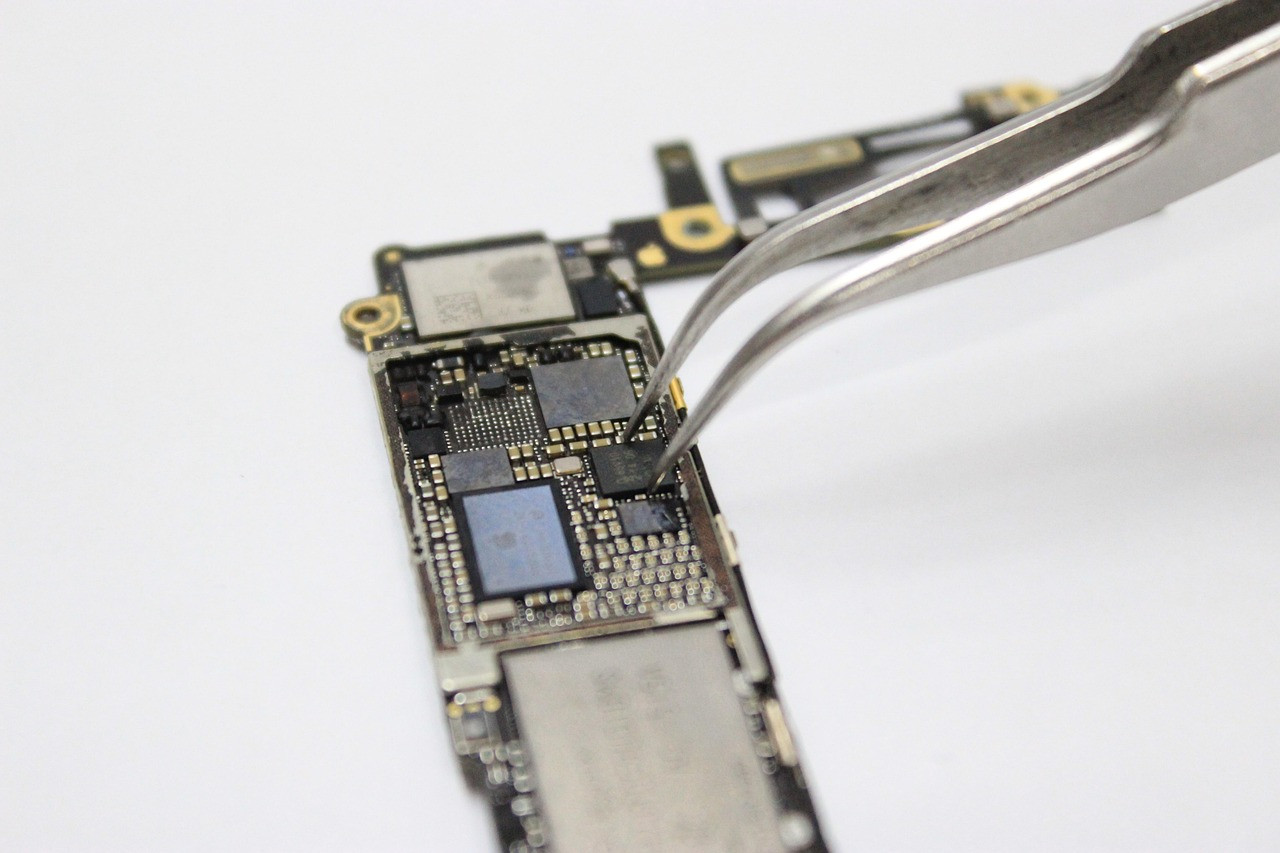
Representative image: saifata30 / Pixabay
Huawei said on 5 October 2026 that Qualcomm will pay it for patents for the first time under a multi-year 5G, AI and computing cross-licence.
What Happened
Huawei Technologies announced on Monday, 5 October 2026 that it has signed a multi-year patent cross-licensing agreement with Qualcomm covering 5G, computing, artificial intelligence and networking. Under the deal, the American chip designer will, for the first time, be the net payer to the Chinese company, reversing a relationship in which Huawei has paid Qualcomm for its technology for about 25 years. Qualcomm will license more than 680 Huawei patents and buy certain Huawei-owned US patents, a purchase that is subject to regulatory approval. Financial terms were not disclosed.
Key Facts
- The agreement was announced by Huawei on 5 October 2026 and runs for several years.
- It covers patents in 5G, computing, AI and networking; Huawei says it is the first agreement between the two companies covering 5G.
- Qualcomm will pay Huawei, making it the net payer for the first time in their licensing relationship.
- Qualcomm will license more than 680 Huawei patents and acquire some of Huawei's US patents, subject to regulatory clearance.
- According to reports, the portfolio includes patents linked to Huawei's LogicFolding chip technology, used in its latest Kirin smartphone processors.
- Neither company disclosed the value of the deal.
Why It Matters
For most of the mobile era, the flow of money in wireless technology ran one way: phone makers around the world, Chinese ones included, paid Qualcomm for the right to use its patented 3G, 4G and 5G inventions. That licensing business has been one of Qualcomm's most profitable lines. A deal in which Qualcomm pays Huawei is a clear sign of how much patented technology the Chinese company has built up, despite years of US export restrictions that cut it off from many American suppliers.
It also shows that patent strength now comes from more than radio standards. Huawei has invested heavily in chip design and packaging methods to work around limits on its access to the most advanced manufacturing. Reports that the portfolio includes patents tied to its chip technology suggest that some of the ideas Huawei developed under pressure now have commercial value even to a US rival.
For businesses, the deal is a reminder that technology rivalry between the United States and China does not stop companies on both sides from trading in intellectual property when it suits them. Patent cross-licences reduce the risk of costly lawsuits and let both firms build products without fear of infringement claims. The part of the deal that involves Qualcomm buying US patents will still need clearance from American regulators, which may take time.
For India, the agreement matters because Indian smartphone and telecom equipment makers pay licence fees to the holders of 5G patents. A shift in who holds valuable 5G and chip patents changes the bargaining landscape for Indian manufacturers and shows the long-term payoff of sustained research spending.
| Before and after | What changed |
|---|---|
| Who paid | Huawei paid Qualcomm for licences; now Qualcomm is the net payer |
| Technologies covered | 5G, computing, AI and networking |
| Patents licensed to Qualcomm | More than 680 |
| Patent sale | Qualcomm to buy some Huawei US patents, subject to approval |
Impact
Short-term: The two companies avoid patent disputes over the covered technologies. Qualcomm's purchase of US patents awaits regulatory review. Investors will look for any mention of the deal's cost in Qualcomm's next results.
Long-term: Huawei strengthens its position as a major earner from technology licensing, not just a seller of phones and network gear. Other device makers may face Huawei licence demands, and the balance of 5G patent power could tilt further towards China.
Who is affected: Qualcomm and Huawei, phone and network equipment makers worldwide, including Indian manufacturers that pay 5G royalties, and US and Chinese regulators overseeing technology trade.
Key Takeaway
Huawei's patent deal with Qualcomm makes the US chip designer a net payer to the Chinese firm for the first time, a sign of Huawei's growing weight in 5G and chip technology.
Questions and Answers
Why is this Huawei-Qualcomm deal unusual?
For about 25 years Huawei paid Qualcomm to use its wireless patents. Under the agreement announced on 5 October 2026, Qualcomm becomes the net payer to Huawei for the first time.
How much is Qualcomm paying Huawei?
The companies have not disclosed the financial terms. Qualcomm will license more than 680 Huawei patents and buy some of its US patents.
Does the deal need government approval?
The purchase of Huawei's US patents by Qualcomm is subject to regulatory approval. The licensing part has been signed.
What does this mean for Indian phone makers?
Indian manufacturers pay royalties to 5G patent holders. As Huawei's patent portfolio gains value, it becomes a more important licensor that device makers, including Indian ones, may need to deal with.
Disclaimer: Prepared by the Peepals newsroom from publicly available sources with AI assistance. Information is accurate to the best of our knowledge at the time of publication and may change. Images may be representative. Not professional advice. Report an error via our contact page.
Sourced and fact-checked by the Peepals Global Editorial Team
PNB, Bank of Baroda, Indian Bank raise repo-linked loan rates 25 bps after RBI hike
UP cane farmers seek Rs 600 a quintal, warn of protest if no price by October 20
Reported, fact-checked and published by the Peepals Global Editorial Team.