
Zensar Q2 revenue rises 11.5% as AI deals hit 36% of order book
 By Rohit SharmaMarkets Analyst, Peepals Business

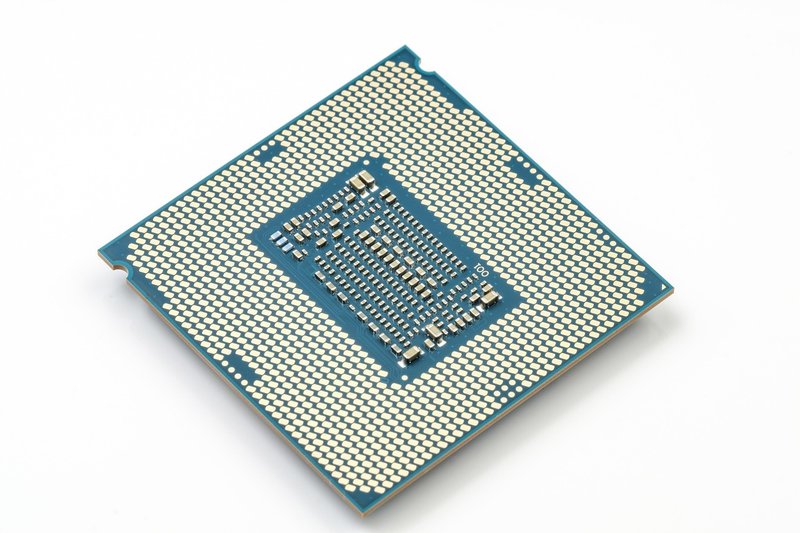
Representative image: Godfrey_atima / Pixabay
Zensar Technologies' Q2 FY27 revenue rose 11.5% to Rs 1,585.2 crore; AI-influenced deals made up 36% of its $151.5 million order book, it said on 28 October.
What Happened
Zensar Technologies, the Pune-based IT services company of the RPG group, reported consolidated revenue of Rs 1,585.2 crore for the July to September 2026 quarter, up 11.5 per cent year on year, in results announced on 28 October 2026. Net profit rose 4.4 per cent to Rs 190.2 crore. The company said deals influenced by artificial intelligence now make up 36 per cent of its order book, and its shares rose sharply in the next day's trading.
Key Facts
- Consolidated revenue for Q2 FY27 (quarter ended 30 September 2026): Rs 1,585.2 crore, up 11.5 per cent year on year and 5.1 per cent from the June quarter.
- Revenue in dollars: $166.2 million, up 4.1 per cent quarter on quarter in constant currency, which strips out exchange-rate effects.
- Net profit: Rs 190.2 crore, up 4.4 per cent year on year and about 2.8 per cent from the previous quarter.
- EBITDA margin (operating profit before interest, tax, depreciation and amortisation, as a share of revenue): 15.8 per cent, up 120 basis points (1.2 percentage points) from the June quarter.
- Order book: $151.5 million, up 1.5 per cent from the previous quarter, with AI-influenced deals at 36 per cent of it.
- The telecom, media and technology business shrank 2.2 per cent from the previous quarter, while banking and financial services clients drove growth.
- The board also approved an internal merger, described as the M3BI merger, to simplify the group's corporate structure.
Why It Matters
Zensar is a mid-sized company in India's IT services industry, which earns most of its money by building and running software for large companies in the United States and Europe. Its results matter beyond its own shareholders because they show how artificial intelligence is changing what corporate clients buy from Indian IT firms.
The most telling number is the share of AI in the order book. An order book is the value of contracts a company has signed but not yet delivered, so it is a guide to future revenue. When more than a third of new work involves AI, it means clients are no longer just testing the technology. Chief Executive Manish Tandon told analysts that the company has moved from early experiments into AI work at production scale, and that clients who did commit spending directed it towards building AI into their core operations.
There is a catch, and the company acknowledged it. On its earnings call, management pointed to deal-size compression: AI tools can do part of the work that teams of engineers once did, so projects can become smaller and shorter. That is why the order book grew only 1.5 per cent in the quarter even as AI's share of it rose. For the wider industry, this is the central question of the AI era. Clients may save money, but the vendors that sell them people-hours must find new ways to grow.
The gap between revenue and profit growth also stands out. Revenue grew 11.5 per cent year on year, but profit grew only 4.4 per cent. The operating margin did improve from the June quarter, however. Mr Tandon said he expects operating (EBIT) margins to stay in a range of 14 to 16 per cent in the coming quarters.
| Measure | Q2 FY27 | Change |
|---|---|---|
| Revenue | Rs 1,585.2 crore | up 11.5% year on year |
| Net profit | Rs 190.2 crore | up 4.4% year on year |
| Revenue in dollars | $166.2 million | up 4.1% quarter on quarter (constant currency) |
| EBITDA margin | 15.8% | up 1.2 points from June quarter |
| Order book | $151.5 million | up 1.5% quarter on quarter |
Impact
Short-term: Investors welcomed the results. Reports put the share-price gain on 29 October at between about 6 and 8 per cent at different points of the day, a contrast with the pressure on many technology shares this week.
Long-term: If AI keeps shrinking the size of individual projects, Zensar and its peers will need many more deals, or new kinds of work such as running AI systems for clients, to keep revenue growing. The weakness in telecom, media and technology clients also shows that demand is uneven across industries.
Who is affected: Zensar's employees and shareholders, its clients, led by banks and financial services firms, and the wider Indian IT services sector, which watches mid-tier firms for early signs of how AI is changing demand.
Key Takeaway
Zensar's Q2 FY27 revenue rose 11.5 per cent to Rs 1,585.2 crore and AI-influenced deals reached 36 per cent of its $151.5 million order book, but smaller AI-era projects kept order growth to 1.5 per cent.
Questions and Answers
What were Zensar Technologies' Q2 FY27 results?
For the quarter ended 30 September 2026, Zensar reported consolidated revenue of Rs 1,585.2 crore, up 11.5 per cent year on year, and net profit of Rs 190.2 crore, up 4.4 per cent. Its EBITDA margin improved to 15.8 per cent.
How much of Zensar's order book comes from AI deals?
The company said AI-influenced deals make up 36 per cent of its order book, which stood at $151.5 million at the end of the September quarter, up 1.5 per cent from the previous quarter.
What is deal-size compression in IT services?
It means individual contracts become smaller or shorter because AI tools automate part of the work that teams of engineers used to do. Zensar's management flagged this on its earnings call as a reason order-book growth was modest.
Did Zensar shares rise after the results?
Yes. Zensar shares rose on 29 October 2026, the trading day after the results, with reports putting the gain at roughly 6 to 8 per cent at different points in the session. This report is not investment advice.
Disclaimer: Prepared by the Peepals newsroom from publicly available sources with AI assistance. Information is accurate to the best of our knowledge at the time of publication and may change. Images may be representative. Not professional advice. Report an error via our contact page.
By Rohit Sharma, Markets AnalystCovers Markets Watch and more for Peepals Business. All stories by Rohit Sharma
SIDBI survey: MSME confidence rises to 60.4, traders still squeezed
Sensex rises 308 points to 74,459 as IT, pharma lead; smallcaps fall
Get the day's stories in your inbox
Peepals Weekly: the week decoded, free. One email a week, unsubscribe in one click.
Rohit Sharma is a pen name of the Peepals Global Editorial Team, which researches, fact-checks and publishes every story. The portrait is an illustration.