
Nvidia to put $3 billion into Meta shares, AMD adds $1 billion
 By Neha KapoorEconomy Correspondent, Peepals Business
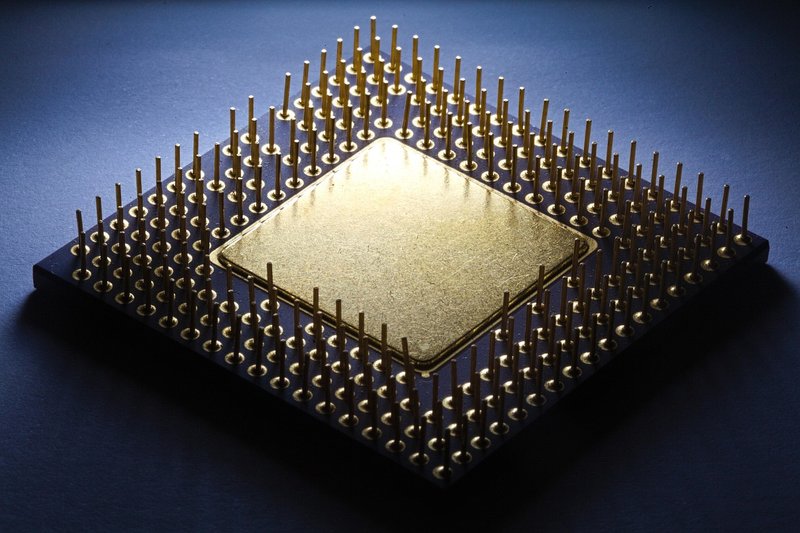
Representative image: dexmac / Pixabay
Nvidia said on October 27, 2026, it will invest $3 billion in Meta's share offering and AMD $1 billion, as Meta raises money for AI data centres and its Muse models.
What Happened
Nvidia, the world's biggest maker of chips for artificial intelligence, said on Tuesday, October 27, 2026, that it will invest $3 billion in Meta Platforms' new share offering, as part of a wider partnership on Meta's Muse family of AI models. Chipmaker AMD is putting in a further $1 billion, according to reports. The commitments came a day after Meta laid out plans to raise up to about $95 billion to pay for its AI data-centre build-out, starting with a share sale of about $35 billion in common and preferred stock.
Key Facts
- Nvidia: committed to invest $3 billion in Meta's equity (share) offering, announced on October 27, 2026.
- AMD: committed $1 billion, taking the two chipmakers' combined investment to $4 billion.
- Meta's plan: to raise up to about $95 billion for AI infrastructure, beginning with an offering of about $35 billion; later reports put the overall target and the common-stock portion higher.
- Partnership: the companies said they will expand work on Muse and the Muse family of models to improve inference and training performance.
- Hardware: Meta will widen its use of Nvidia systems, including Vera Rubin systems and Vera CPUs, Spectrum-X Ethernet networking and BlueField-4 technology, according to the announcement.
- Market view: a Mizuho analyst said the deal helps remove part of the "equity overhang", the worry that a large share sale would weigh on Meta's stock.
Why It Matters
Building AI is now as much a money problem as a technology problem. Training and running large AI models takes huge data centres full of specialised chips, along with the power and cooling to run them. Meta is among the biggest spenders, and it has chosen to raise part of the money by selling new shares, not only by borrowing or using cash from its advertising business. When a company sells a large block of new shares, existing shareholders worry that the extra supply will push the price down. A big, committed buyer helps calm that fear.
Nvidia is not an ordinary buyer. Meta is one of its largest customers, and a large part of the money Meta raises will be spent on AI hardware, much of it from Nvidia. Critics call this circular financing: a supplier invests in a customer, which then uses the money to buy the supplier's products. Supporters say it is a normal way for close partners to share the risk and reward of a long project. Either way, the arrangement ties the fortunes of the two companies more tightly together, and it shows how central a few chip suppliers have become to the AI build-out.
The Muse part of the deal is about software as well as hardware. Inference is the work of running a trained model to answer a request, such as a chatbot reply. Training is the earlier, heavier stage of teaching the model. By working together on both, Meta hopes to make its models faster and cheaper to run on Nvidia's chips, and Nvidia gets a large customer that tunes its software to Nvidia's hardware.
| Item | Amount or detail |
|---|---|
| Nvidia investment | $3 billion |
| AMD investment | $1 billion |
| Meta's first share offering | about $35 billion |
| Meta's overall fundraising plan | up to about $95 billion, as first announced |
| Nvidia systems Meta will use | Vera Rubin systems, Vera CPUs, Spectrum-X, BlueField-4 |
For Indian businesses, the scale of this spending matters in two ways. It keeps the global price of AI computing high while demand runs ahead of supply, which affects what Indian firms pay to rent AI capacity from cloud providers. It also shows that the race to build AI infrastructure is pulling in very large sums of equity capital, a trend that data-centre and technology services companies in India are watching closely.
Impact
Short-term: Meta's share sale gets a committed anchor of $4 billion from two chipmakers, which may steady investor nerves around the offering. Nvidia and AMD gain a financial stake in one of their largest customers.
Long-term: If AI spending keeps paying off, the partnership could lower Meta's cost of running its models and secure years of orders for Nvidia. If returns from AI disappoint, the circular links between suppliers and customers mean losses could spread across the companies involved.
Who is affected: Meta's existing and new shareholders; Nvidia and AMD investors; companies that rent AI computing power from cloud providers; and data-centre builders and technology firms worldwide, including in India, that depend on the same supply of AI chips.
Key Takeaway
Nvidia's $3 billion and AMD's $1 billion commitments to Meta's share offering, announced on October 27, 2026, tie the chipmakers more closely to one of their biggest customers as Meta raises tens of billions of dollars for AI.
Questions and Answers
How much is Nvidia investing in Meta?
Nvidia said on October 27, 2026, that it will invest $3 billion in Meta Platforms' share offering. AMD is investing a further $1 billion, according to reports.
Why is Meta selling shares?
Meta is raising money to pay for its AI data centres and computing. It announced plans to raise up to about $95 billion, starting with a share sale of about $35 billion in common and preferred stock.
What is Muse in the Nvidia-Meta deal?
Muse is Meta's family of AI models. The companies said they will work together to improve how fast and efficiently Muse models are trained and run on Nvidia hardware.
What does circular financing mean in this deal?
It describes a supplier investing in a customer that then spends money on the supplier's products. Critics say Nvidia's stake in Meta, a major buyer of its chips, is an example; supporters say it is a way for partners to share the risks of a large project.
Disclaimer: Prepared by the Peepals newsroom from publicly available sources with AI assistance. Information is accurate to the best of our knowledge at the time of publication and may change. Images may be representative. Not professional advice. Report an error via our contact page.
By Neha Kapoor, Economy CorrespondentCovers Economy and more for Peepals Business. All stories by Neha Kapoor
EXL raises 2026 forecast as data and AI revenue jumps 36%
Cabinet clears Rs 7,395 crore PM Viksit Gram Swaraj Yojana for panchayats
Get the day's stories in your inbox
Peepals Weekly: the week decoded, free. One email a week, unsubscribe in one click.
Neha Kapoor is a pen name of the Peepals Global Editorial Team, which researches, fact-checks and publishes every story. The portrait is an illustration.