
India's fiscal deficit hits 42.1% of FY27 target in first half
 By Neha KapoorEconomy Correspondent, Peepals Business

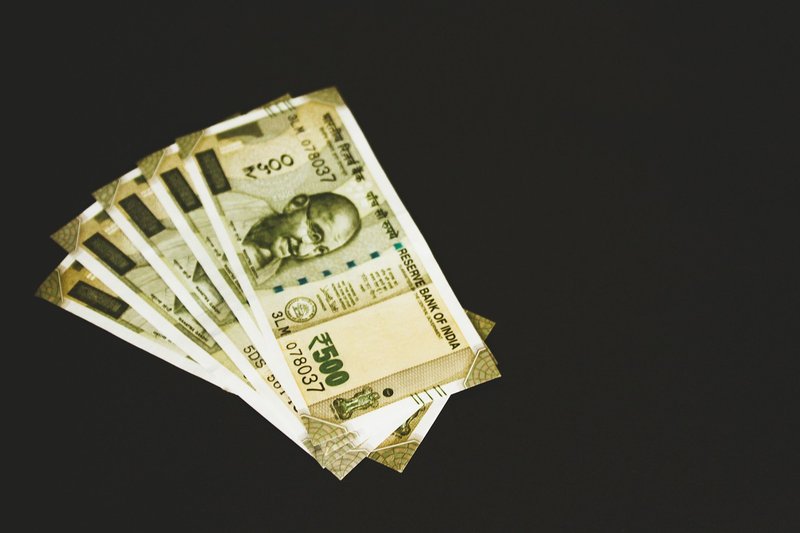
Representative image: USA-Reiseblogger / Pixabay
The Centre's April-September 2026 fiscal deficit was Rs 7.14 lakh crore, 42.1% of the full-year target, CGA data showed on 30 October.
What Happened
India's central government ran a fiscal deficit of Rs 7,14,413 crore in the first half of 2026-27 (April to September), according to provisional data released by the Controller General of Accounts (CGA) on Friday, 30 October 2026. That is 42.1 per cent of the full-year Budget target of Rs 16.96 lakh crore, compared with 36.5 per cent at the same point last year. Higher spending, including a larger capital expenditure bill, has outpaced the rise in net tax receipts.
Key Facts
- Fiscal deficit for April to September 2026: Rs 7,14,413 crore, or about Rs 7.14 lakh crore.
- Share of the 2026-27 Budget Estimate used: 42.1 per cent, against 36.5 per cent of the 2025-26 target a year earlier.
- Full-year target: 4.3 per cent of GDP, or Rs 16.96 lakh crore.
- Net tax revenue to the Centre: about Rs 12.76 lakh crore, or 44.5 per cent of the year's Budget Estimate, up from about Rs 12.3 lakh crore a year ago.
- Total government expenditure: about Rs 25.5 lakh crore, up from about Rs 23 lakh crore in the first half of 2025-26.
- Capital expenditure: about Rs 6.5 lakh crore, up from about Rs 5.8 lakh crore a year earlier.
- At the end of August, the deficit stood at Rs 7,10,249 crore, or 41.9 per cent of the target, so September alone added only about Rs 4,164 crore.
Why It Matters
The fiscal deficit is the gap between what the government spends and what it earns, excluding borrowing, and it is filled mainly by selling government bonds. A deficit running ahead of schedule can raise fears of extra borrowing, which pushes up bond yields and the loan rates paid by companies and households.
On the face of it, the half-year figure looks heavier than last year's. A year ago, the Centre had used 36.5 per cent of its target by September; this year it has used 42.1 per cent. In absolute terms, the deficit is roughly a quarter larger than the about Rs 5.7 lakh crore recorded in the first half of 2025-26. The spending side explains most of this: total expenditure rose by roughly Rs 2.5 lakh crore year on year, while net tax receipts rose by only about Rs 0.5 lakh crore.
The month of September tells a calmer story. The deficit grew by only about Rs 4,164 crore between the end of August and the end of September. September is a month when advance tax instalments from companies and individuals arrive, and net tax revenue jumped from about Rs 8.38 lakh crore at the end of August to about Rs 12.76 lakh crore at the end of September. That inflow almost fully covered the month's spending.
The quality of spending also matters. Capital expenditure, money spent on roads, railways, defence equipment and other long-lived assets, rose by about 12 per cent year on year to about Rs 6.5 lakh crore. Capital spending creates assets and brings orders for cement, steel and machinery, so a steady pace supports suppliers' order books.
The backdrop is a difficult one. India's crude oil basket averaged about $120 a barrel in October, the highest since 2012, which raises the cost of fuel and fertiliser support. The Reserve Bank of India has also been selling dollars to steady the rupee, a sign of pressure on the external side.
| Measure | April-September 2026 | April-September 2025 |
|---|---|---|
| Fiscal deficit | Rs 7.14 lakh crore | about Rs 5.7 lakh crore |
| Share of full-year target | 42.1% | 36.5% |
| Net tax revenue | about Rs 12.76 lakh crore | about Rs 12.3 lakh crore |
| Total expenditure | about Rs 25.5 lakh crore | about Rs 23 lakh crore |
| Capital expenditure | about Rs 6.5 lakh crore | about Rs 5.8 lakh crore |
Impact
Short-term: The bond market will compare the half-year numbers with the government's borrowing calendar for the second half of the year. A deficit running ahead of last year's pace keeps attention on whether gross borrowing stays at the budgeted level.
Long-term: Holding the deficit at 4.3 per cent of GDP while oil prices stay high will depend on tax collections in the remaining instalments, on non-tax income such as dividends, and on how much the government spends on subsidies. A lower deficit over time means less of the budget goes to interest payments.
Who is affected: Banks and bond investors holding government securities; companies that borrow, since government borrowing competes for the same savings; suppliers to central projects; and households, whose loan rates are shaped partly by these choices.
Key Takeaway
The Centre used 42.1 per cent of its 2026-27 deficit target in the first half, faster than last year's 36.5 per cent, but strong September tax inflows kept that month's addition to just about Rs 4,164 crore.
Questions and Answers
What was India's fiscal deficit for April to September 2026?
The Controller General of Accounts put the Centre's fiscal deficit at Rs 7,14,413 crore for April to September 2026, which is 42.1 per cent of the full-year Budget target of Rs 16.96 lakh crore. The data are provisional.
Is the deficit higher than last year?
Yes. At the same point in 2025-26, the deficit was about Rs 5.7 lakh crore, or 36.5 per cent of that year's target. The rise comes mainly from higher spending, with total expenditure up by about Rs 2.5 lakh crore and net tax receipts up by about Rs 0.5 lakh crore.
Why did the deficit barely grow in September?
September brings advance tax payments. Net tax revenue rose from about Rs 8.38 lakh crore at the end of August to about Rs 12.76 lakh crore at the end of September, so the deficit rose by only about Rs 4,164 crore during the month.
What is the government's fiscal deficit target for 2026-27?
The target is 4.3 per cent of GDP, or Rs 16.96 lakh crore, for the financial year that ends on 31 March 2027.
Disclaimer: Prepared by the Peepals newsroom from publicly available sources with AI assistance. Information is accurate to the best of our knowledge at the time of publication and may change. Images may be representative. Not professional advice. Report an error via our contact page.
By Neha Kapoor, Economy CorrespondentCovers Economy and more for Peepals Business. All stories by Neha Kapoor
BlackBuck sales grow 56% in September quarter as lower tax lifts earnings
SIDBI survey: MSME confidence rises to 60.4, traders still squeezed
Get the day's stories in your inbox
Peepals Weekly: the week decoded, free. One email a week, unsubscribe in one click.
Neha Kapoor is a pen name of the Peepals Global Editorial Team, which researches, fact-checks and publishes every story. The portrait is an illustration.