
Boltz raises $110 million for open-source AI drug-discovery models
 By Elena D’SouzaStartups & Innovation Correspondent, Peepals Global
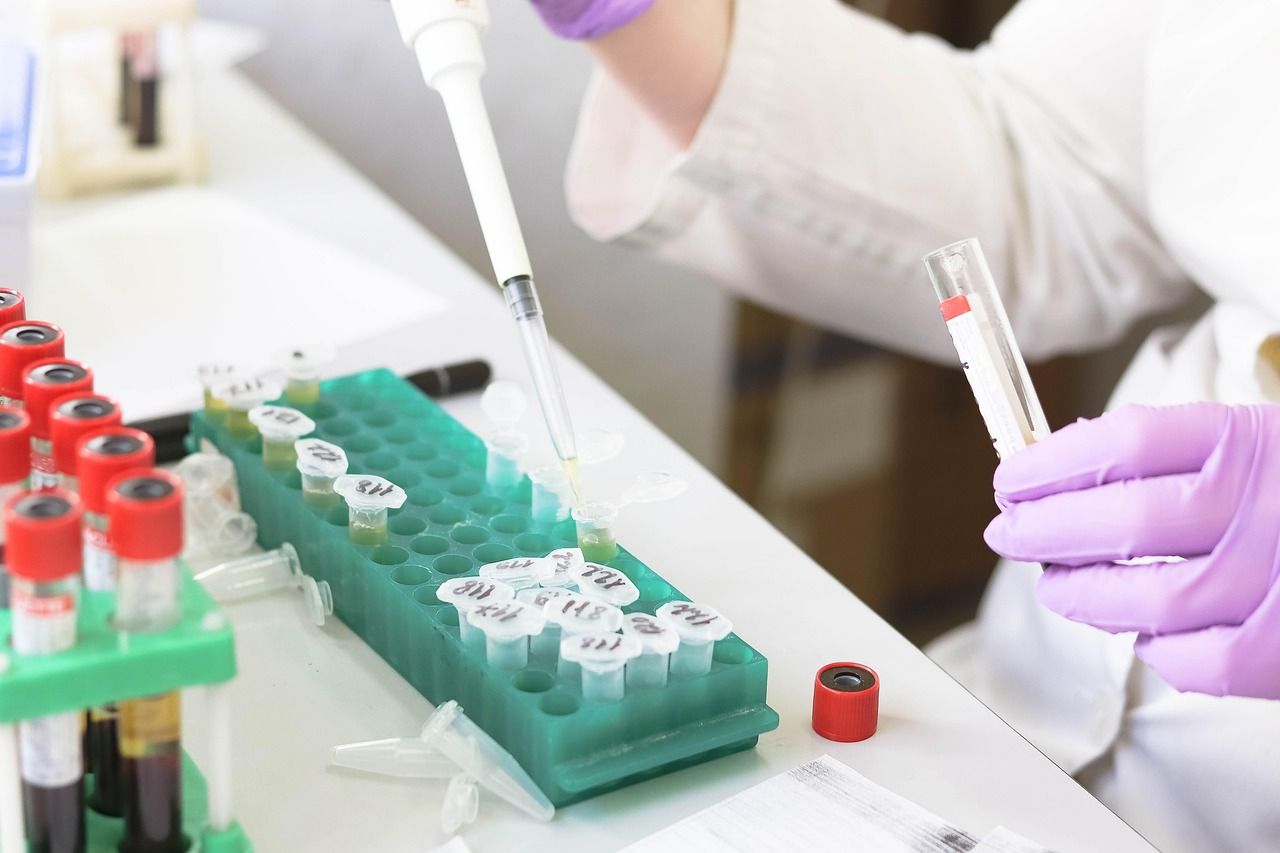
Representative image: Belova59 / Pixabay
Boltz, an MIT spin-out behind open-source protein AI models, raised a $110 million Series A led by Bessemer on 18 November 2026, ten months after its seed.
Boltz: what happened
Boltz, an artificial intelligence (AI) company that designs tools for drug discovery and grew out of research at the Massachusetts Institute of Technology (MIT), has raised $110 million in a Series A round led by Bessemer Venture Partners, with Nvidia, Andreessen Horowitz and Greycroft also investing. The round was announced on Wednesday, 18 November 2026, about ten months after the company raised a $28 million seed round in January. Boltz is best known for open-source AI models that predict the 3D shapes of proteins and how drug molecules bind to them, which scientists can download free of charge.
Boltz: key facts
- Amount: $110 million Series A, announced on 18 November 2026.
- Investors: led by Bessemer Venture Partners, with Nvidia, Andreessen Horowitz and Greycroft taking part.
- Earlier funding: a $28 million seed round in January 2026.
- Reach: its open models have passed 5 million downloads and are used by more than 100,000 scientists, according to Bessemer.
- Customers: six of the world's 20 largest pharmaceutical companies use its paid tools, and Pfizer has a multi-year collaboration with it, the company and its investors say.
- Business model: the core models are free; Boltz Lab, launched in January, and proprietary models are sold with usage-based pricing.
- Use of funds: more computing power, data and hiring. Valuation and revenue were not disclosed.
Boltz: why it matters
Designing a new medicine starts with understanding a target protein in the body and finding a molecule that fits it, a slow and expensive process of trial and error in the lab. AI models that predict protein structures and binding can narrow down the options on a computer first, so laboratories test fewer, better candidates. Google DeepMind's AlphaFold made this approach famous; Boltz's free models have been compared with AlphaFold3 and are open for anyone to download, adapt and run.
The funding shows that investors believe a company can give away its core technology and still build a business by selling the tools, computing and support that drug companies need to use it at scale. The model carries a tension: if the free version is good enough, fewer customers may pay. Boltz's answer is to keep its most advanced models and its full platform for paying users.
For Indian founders, researchers and investors, the round is a signal on two fronts. For India's pharmaceutical companies and AI-for-biology start-ups, open models like Boltz's lower the cost of entry: a small Indian lab or start-up can use world-class structure-prediction tools without building them from scratch. At the same time, the size of the round shows the scale of capital now flowing to the leaders in the field, which Indian start-ups will compete with for pharma customers.
Peepals calculation: With the $28 million seed and the $110 million Series A, Boltz has raised about $138 million in total ($28m + $110m). The Series A is about 3.9 times the seed round ($110m ÷ $28m ≈ 3.93), raised roughly ten months apart. Six of the world's 20 largest pharma companies as customers means 30% of that top group (6 ÷ 20). Our calculation from the reported figures.
| Measure | Figure |
|---|---|
| Series A | $110 million |
| Seed (January 2026) | $28 million |
| Total raised | about $138 million |
| Open-model downloads | over 5 million |
| Top-20 pharma customers | 6 |
Boltz: impact
Short-term: Boltz will add computing capacity and staff, and its paid platform will compete for contracts with large drug makers.
Long-term: If free, open models keep improving, AI drug-discovery tools could become cheaper and more widely available to smaller labs, including in India, while the paid market concentrates on a few companies with the most computing power and data.
Who is affected: Pharmaceutical and biotech companies, academic and start-up labs that rely on open AI tools, and investors and founders in AI-for-biology.
Boltz: key takeaway
Indian biotech founders and researchers should watch which Boltz models stay free and open after this round, since those free tools set the cost of entry for AI-led drug discovery.
Boltz: questions and answers
How much did Boltz raise and who led the round?
Boltz raised $110 million in a Series A round led by Bessemer Venture Partners, with Nvidia, Andreessen Horowitz and Greycroft also investing. It was announced on 18 November 2026.
What does Boltz make?
It builds AI models that predict protein structures and how molecules bind to them, used in early drug discovery. Its core models are open source, and it sells a paid platform called Boltz Lab and proprietary models.
Can Indian researchers use Boltz's models?
The core models are open source and free to download, so researchers anywhere, including in India, can use them. The advanced tools and platform are paid.
Did Boltz disclose its valuation?
No. Neither the valuation nor the company's revenue was disclosed with the funding announcement.
Disclaimer: Prepared by the Peepals newsroom from publicly available sources with AI assistance. Information is accurate to the best of our knowledge at the time of publication and may change. Images may be representative. Not professional advice. Report an error via our contact page.
By Elena D’Souza, Startups & Innovation CorrespondentCovers Start-ups & Opportunities and more for Peepals Global. All stories by Elena D’Souza
The Altruists Netflix: SBF series with Anthony Boyle, Julia Garner splits critics
Greenland security deal: Denmark ratifies US pact 109-0, Golden Dome to follow
Your week ahead, every Sunday. Free.
Exam and result dates, IPOs opening, scheme deadlines, government holidays and the RBI decision for the next 7 days, plus the week's top stories. One email a week, unsubscribe in one click.
Elena D’Souza is a pen name of the Peepals Global Editorial Team, which researches, fact-checks and publishes every story. The portrait is an illustration.
Responsible for this story: the Peepals Global Editorial Team, led by editor Prashant Sonar. How we report