
Genesis AI raises $500 million, Premji Invest co-leads, for glove-trained robots
 By Elena D’SouzaStartups & Innovation Correspondent, Peepals Global
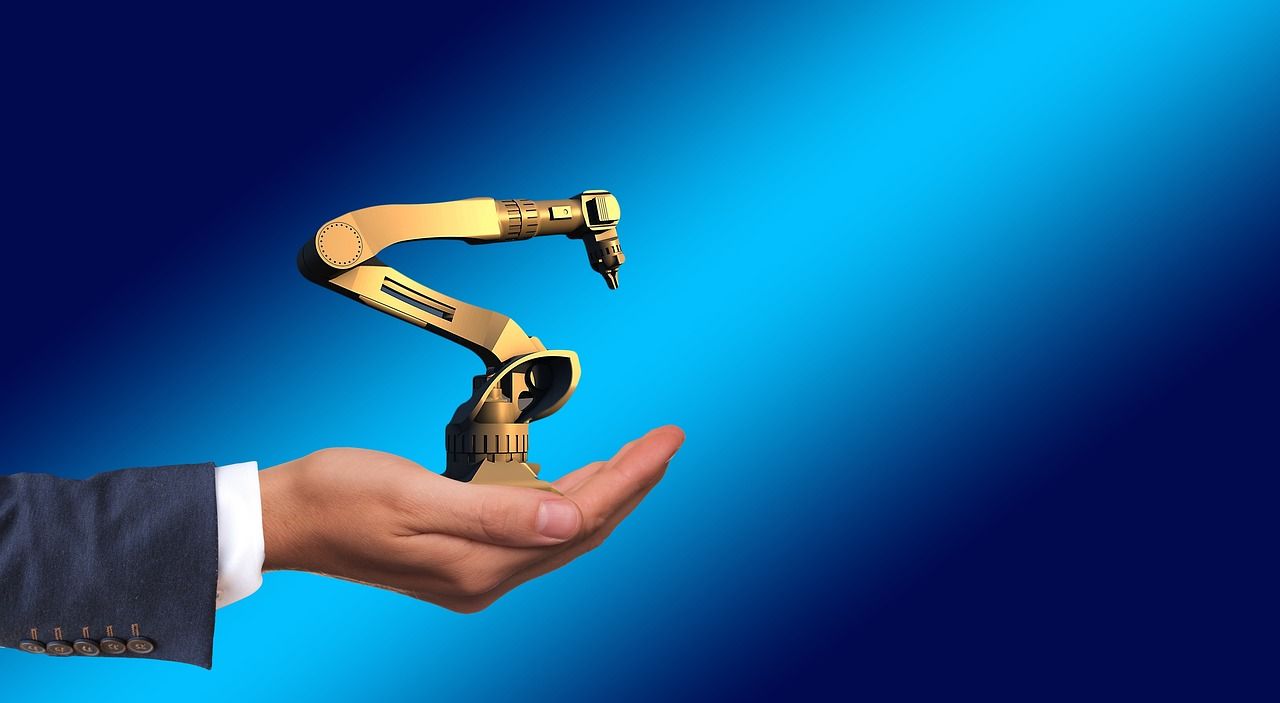
Representative image: geralt / Pixabay
Robotics start-up Genesis AI raised a $500 million Series A at a $3.5 billion valuation on 17 November 2026, co-led by Khosla Ventures, India's Premji Invest and Eclipse.
Genesis AI: what happened
Genesis AI, a robotics start-up that trains robot hands using data from sensor-equipped gloves worn by human workers, announced a $500 million Series A funding round on Tuesday, 17 November 2026, at a post-money valuation of $3.5 billion. The round was co-led by Khosla Ventures, Premji Invest, the investment firm backed by Wipro founder Azim Premji, and Eclipse, with Nvidia and AMD Ventures among other investors. The money will fund production of its two-armed robot, Eno.
Genesis AI: key facts
- Company: Genesis AI, founded in 2024 by Zhou Xian (chief executive) and Théophile Gervet (president), who met as graduate students at Carnegie Mellon University.
- Round: $500 million Series A, announced on 17 November 2026.
- Valuation: $3.5 billion after the investment.
- Co-leads: Khosla Ventures, Premji Invest and Eclipse; Nvidia and AMD Ventures also invested.
- Earlier funding: a $105 million seed round disclosed in July 2025.
- Product: Eno, a two-armed robot with 20 actuated degrees of freedom in each hand.
- Status: 30 to 40 Eno units built so far, in limited pilot tests with customers; mass production planned for 2027 through a US manufacturer.
Genesis AI: why it matters
The hardest problem in robotics is not walking or lifting but using hands: picking up a soft object, turning a screw, folding a cloth. Robots learn these skills from data, and data on how human hands actually move is scarce. Genesis AI's answer is to put sensor gloves on human workers and use the recordings to train its robots, a way of collecting large amounts of real-world hand data without first building many robots.
A $500 million Series A is very large for a company with a few dozen robots in pilots, and it shows how much money is flowing into "physical AI", the effort to bring the gains of AI models into machines that work in factories and warehouses. Investors are betting that robots able to handle varied tasks with their hands could fill jobs that are hard to staff.
The company has been open about its limits. Zhou has said the robot hands currently wear out after several weeks of routine use, and that hardware, including mechanical design and supply chains, is the main bottleneck. A small fleet of 30 to 40 robots in pilots is a long way from mass deployment.
The Indian angle is the investor list. Premji Invest, which manages money linked to Azim Premji, co-led the round alongside two well-known US venture firms. Indian capital taking a lead role in a frontier robotics deal abroad shows how Indian investors are moving beyond domestic start-ups. For Indian engineers and founders working in robotics and AI, the deal is also a signal of where global money is heading.
Peepals calculation: a $500 million investment at a $3.5 billion post-money valuation means the new investors together own about 14.3% of the company (500 ÷ 3,500 ≈ 0.143). With the $105 million seed round, Genesis AI has raised about $605 million in disclosed funding (500 + 105). Our calculation from the reported figures.
| Item | Detail |
|---|---|
| Round | Series A, $500 million |
| Announced | Tuesday, 17 November 2026 |
| Valuation | $3.5 billion post-money |
| Co-leads | Khosla Ventures, Premji Invest, Eclipse |
| Robot | Eno, two arms, 20 actuated degrees of freedom per hand |
| Units built | 30 to 40, in pilots |
Genesis AI: impact
Short-term: Genesis AI will use the money to expand production of Eno and extend customer pilots in factories and warehouses.
Long-term: If glove-based training works at scale, robots with skilled hands could take on tasks in manufacturing, logistics and handling that now need people, changing the kinds of factory jobs available.
Who is affected: Manufacturers and warehouse operators looking at automation; workers in repetitive handling jobs; robotics engineers; and investors, including Indian funds, backing physical AI.
What to watch next: Genesis AI's planned move to mass production in 2027 through a US manufacturer.
Genesis AI: key takeaway
Watch whether Genesis AI solves the hand-durability problem its CEO has described before its planned 2027 mass production, since that will show whether glove-trained robots are ready for real factory work.
Genesis AI: questions and answers
What is Genesis AI?
Genesis AI is a robotics start-up founded in 2024 by Zhou Xian and Théophile Gervet that builds Eno, a two-armed robot trained with data from sensor gloves worn by human workers.
How much did Genesis AI raise and at what valuation?
It raised $500 million in a Series A round announced on 17 November 2026, at a post-money valuation of $3.5 billion.
Which Indian investor backed Genesis AI?
Premji Invest, the investment firm linked to Wipro founder Azim Premji, co-led the round with Khosla Ventures and Eclipse.
When will Genesis AI's Eno robot be mass-produced?
The company plans mass production in 2027 through a US manufacturer; for now 30 to 40 units are in limited pilots.
Disclaimer: Prepared by the Peepals newsroom from publicly available sources with AI assistance. Information is accurate to the best of our knowledge at the time of publication and may change. Images may be representative. Not professional advice. Report an error via our contact page.
By Elena D’Souza, Startups & Innovation CorrespondentCovers Start-ups & Opportunities and more for Peepals Global. All stories by Elena D’Souza
Varuvaaiy Grammy nomination: first Tamil song in Best Global Music Performance
Cricket Australia sets up independent forum on 2018 sandpaper claims
Your week ahead, every Sunday. Free.
Exam and result dates, IPOs opening, scheme deadlines, government holidays and the RBI decision for the next 7 days, plus the week's top stories. One email a week, unsubscribe in one click.
Elena D’Souza is a pen name of the Peepals Global Editorial Team, which researches, fact-checks and publishes every story. The portrait is an illustration.
Responsible for this story: the Peepals Global Editorial Team, led by editor Prashant Sonar. How we report