
Greenland security deal: Denmark ratifies US pact 109-0, Golden Dome to follow
 By Rohan SalujaGeopolitics Editor, Peepals Global
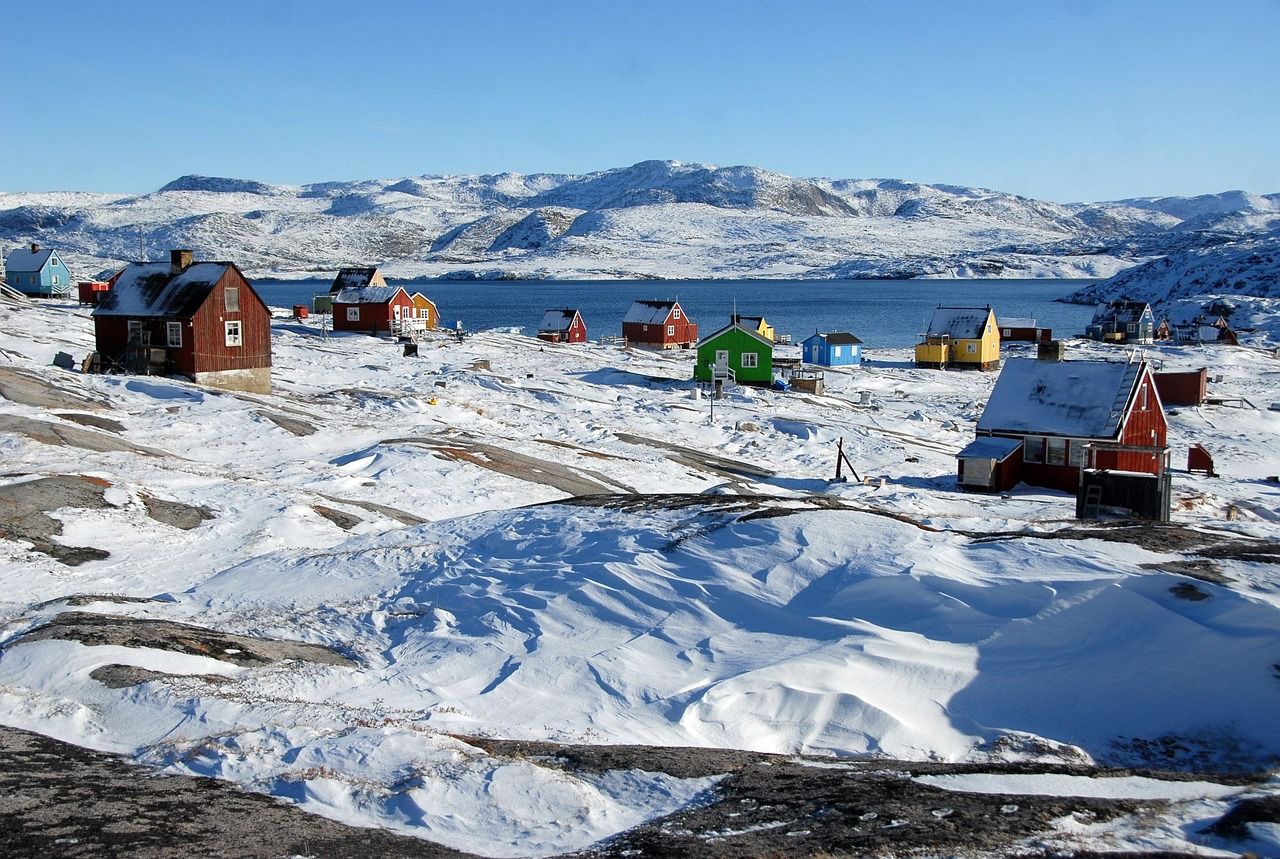
Representative image: Thomas-Ritter / Pixabay
Denmark's parliament approved the US-Denmark-Greenland security pact 109-0 on 19 November 2026, clearing two new US bases and Golden Dome missile defence.
Greenland: what happened
Denmark's parliament, the Folketing, approved a three-way security agreement between Denmark, Greenland and the United States on Thursday, 19 November 2026, by 109 votes to none, with no abstentions among the members present. The vote was the last legislative step before the deal takes effect. It updates a 1951 defence agreement and lets the United States expand its military presence on Greenland, including two new bases and its planned "Golden Dome" missile-defence system, without changing who governs the island.
Greenland: key facts
- Vote: 109 in favour, none against, no abstentions, in the Folketing on 19 November 2026.
- What it changes: it amends the 1951 defence agreement on Greenland and strengthens US access rights on the island.
- US presence: the deal provides for two new US bases, the Golden Dome missile-defence system and undersea access within Greenland's territorial waters.
- Sovereignty: Greenland remains part of the Kingdom of Denmark and keeps its self-government; the agreement transfers no territory.
- Durability: the deal is to stay in force even if Greenland becomes fully independent.
- Greenland's own parliament approved it in early November by 16 votes, with seven abstentions; the three governments signed it in September.
- It does not need a vote in the US Senate.
Greenland: why it matters
Greenland sits between North America and Europe on the shortest routes for missiles and aircraft crossing the Arctic. That is why the United States has had defence rights there since the 1951 agreement, and why the island became the centre of a sharp row after President Donald Trump repeatedly said the United States should take control of it. The agreement is the compromise that came out of those tensions: more American military access in exchange for a clear statement that sovereignty stays with Denmark and Greenland.
The Golden Dome is the Trump administration's plan for a large missile-defence shield over the United States. Placing parts of it in Greenland gives early warning and interception options against missiles flying over the Arctic. Critics in Europe see the clause keeping the deal in force even after any Greenlandic independence as locking in US influence for decades, and some analysts have warned that the cost and scale of the Golden Dome could strain relations between Washington and its European allies.
For India, the Arctic matters because melting ice is opening new shipping routes and access to minerals, and because great-power rivalry there, between the United States, Russia and China, shapes the wider balance of power. A larger US military footprint in Greenland signals that Washington intends to compete hard in the region, which affects every country that trades through or studies it.
Peepals timeline: The United States and Denmark signed the original defence agreement on Greenland in 1951. After months of tension sparked by President Trump's statements about taking control of the island, the three governments signed the new agreement in September 2026. Greenland's parliament approved it in early November 2026 with 16 votes in favour and seven abstentions. On Thursday, 19 November 2026, the Danish Folketing ratified it by 109 votes to none, completing the legislative process.
Greenland: impact
Short-term: The agreement can now take effect, opening the way for planning and construction of the new US bases and Golden Dome components.
Long-term: Greenland's strategic value to the United States is fixed in a treaty that outlasts any change in its political status. Its relations with Copenhagen and Washington, and its own push for independence, will now play out within that framework.
Who is affected: Greenland's residents, Denmark, the United States and its NATO allies, and Russia and China, whose Arctic ambitions face a stronger US presence.
Greenland: key takeaway
Watch how fast the two new US bases and the Golden Dome sites move from paper to construction in Greenland: that will show how quickly the Arctic's military balance shifts.
Greenland: questions and answers
Does the United States own Greenland now?
No. The agreement ratified by Denmark on 19 November 2026 expands US military access but transfers no territory. Greenland stays part of the Kingdom of Denmark with its own self-government.
What did the Greenland security deal allow?
It updates a 1951 defence agreement to allow two new US bases, the Golden Dome missile-defence system and US undersea access in Greenland's territorial waters.
What happens to the deal if Greenland becomes independent?
The agreement is written to remain in force even if Greenland gains full independence from Denmark.
Did Greenland's own parliament agree?
Yes. Greenland's parliament approved the agreement in early November 2026 by 16 votes, with seven members abstaining, before the Danish vote.
Disclaimer: Prepared by the Peepals newsroom from publicly available sources with AI assistance. Information is accurate to the best of our knowledge at the time of publication and may change. Images may be representative. Not professional advice. Report an error via our contact page.
By Rohan Saluja, Geopolitics EditorCovers Geopolitics and more for Peepals Global. All stories by Rohan Saluja
Boltz raises $110 million for open-source AI drug-discovery models
Presumed Innocent season 2 release date: February 19, 2027, on Apple TV
Your week ahead, every Sunday. Free.
Exam and result dates, IPOs opening, scheme deadlines, government holidays and the RBI decision for the next 7 days, plus the week's top stories. One email a week, unsubscribe in one click.
Rohan Saluja is a pen name of the Peepals Global Editorial Team, which researches, fact-checks and publishes every story. The portrait is an illustration.
Responsible for this story: the Peepals Global Editorial Team, led by editor Prashant Sonar. How we report