
Strait of Hormuz LNG traffic hits post-war high: 31 tankers in October
 By Rohan SalujaGeopolitics Editor, Peepals Global
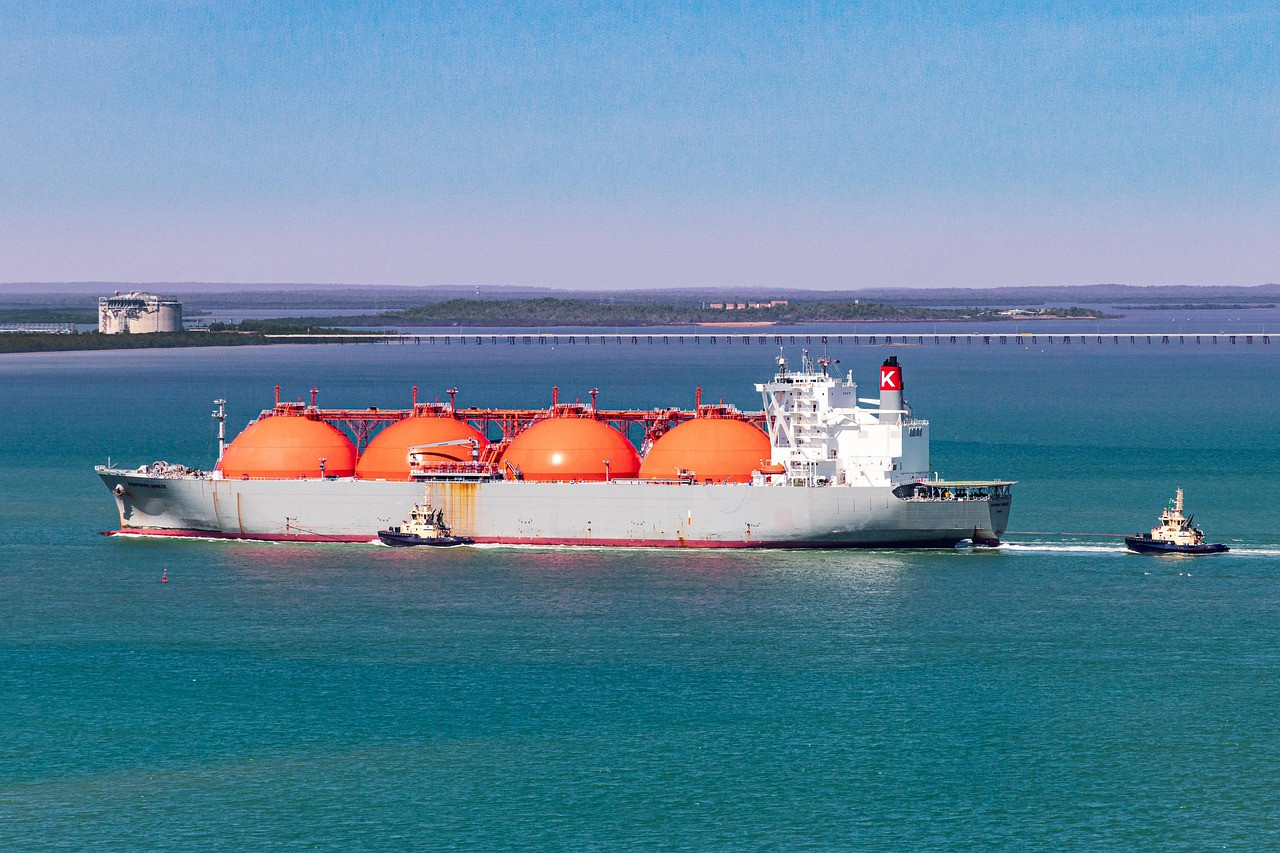
Representative image: Gaz_Chapp / Pixabay
Thirty-one loaded LNG tankers left the Strait of Hormuz in October 2026, the most since the Iran war began, but Qatar's exports remain under half pre-war levels.
What Happened
Liquefied natural gas (LNG) tanker traffic through the Strait of Hormuz rose in October 2026 to its highest monthly level since the Iran war began, according to vessel-tracking data cited in reports on Tuesday, 10 November 2026. Thirty-one loaded LNG tankers left the strait in October, up from 23 in September, according to S&P Global Energy tracking data. Most of the gas came from Qatar's Ras Laffan terminal, where force majeure, a legal notice that a supplier cannot meet contracts because of events beyond its control, still remains in effect.
Key Facts
- Tanker exits: 31 loaded LNG vessels left the Strait of Hormuz in October 2026, against 23 in September, according to S&P Global Energy data.
- Origin: 23 of the 31 loaded at Qatar's Ras Laffan terminal; eight left from Das Island in the United Arab Emirates.
- Loadings: another tracker, Kpler, counted 42 LNG cargoes loaded in the region in October, up from 27 in September.
- Ras Laffan alone loaded 35 cargoes, more than 2.7 million tonnes, its highest since the conflict began, according to the Kpler figures.
- Before the war: Qatar exported nearly 6.2 million tonnes in February 2026, before the conflict disrupted shipping.
- Some Qatari cargoes were moved to other ships off Oman's Sohar anchorage after leaving the strait, according to reports.
- Force majeure remains in effect at Ras Laffan.
Why It Matters
The Strait of Hormuz, the narrow sea passage between Iran and Oman, is the only sea route out of the Gulf for Qatar's gas and for much of the region's oil. Since the Iran war began, insurers, shipowners and buyers have weighed the risk of every passage. A steady rise in tanker crossings is therefore one of the clearest real-world signs of how confident the shipping industry is that the route can be used, regardless of what governments say.
The recovery is real but partial. Qatar's Ras Laffan loaded a little over 2.7 million tonnes in October, less than half of what Qatar shipped in February before the conflict. With force majeure still in place, Qatar is not bound to deliver every contracted cargo, and buyers have had to find gas elsewhere at higher prices. Ship-to-ship transfers off Oman suggest that some cargoes are being moved in ways that reduce the time large tankers spend in the riskiest waters.
For India, the numbers matter directly. India relies heavily on imported LNG for power, fertiliser plants and city gas networks, and Gulf suppliers, Qatar above all, are central to that supply. More cargoes moving through Hormuz eases pressure on spot prices and on supply planning for Indian importers, though the gap with pre-war levels shows the market is still far from normal. The data also bears on India's wider energy security, since the same passage carries crude oil bound for Indian refineries.
Peepals calculation: Loaded LNG tankers leaving Hormuz rose from 23 in September to 31 in October, an increase of about 35% ((31 − 23) ÷ 23 ≈ 0.35). Kpler's loadings count rose about 56% (42 ÷ 27 ≈ 1.56). Qatar's share of October's tanker exits was about 74% (23 ÷ 31 ≈ 0.74). Ras Laffan's October loadings of a little over 2.7 million tonnes were about 44% of Qatar's February exports of nearly 6.2 million tonnes (2.7 ÷ 6.2 ≈ 0.44). The two trackers count differently, so their figures are compared only with themselves. Our calculation from the reported figures.
| Measure | September 2026 | October 2026 |
|---|---|---|
| Loaded LNG tankers leaving Hormuz (S&P Global) | 23 | 31 |
| LNG cargoes loaded (Kpler) | 27 | 42 |
| Ras Laffan loadings (Kpler) | - | 35 cargoes, over 2.7 million tonnes |
Impact
Short-term: More LNG supply reaching Asian and European buyers can ease spot prices and give importers more room to plan winter purchases. Shipping and insurance markets will take the rising traffic as a signal that the route is becoming more usable.
Long-term: Unless force majeure is lifted at Ras Laffan and exports return towards pre-war levels, buyers are likely to keep spreading their purchases across more suppliers, including the United States, Australia and Africa, to reduce dependence on a single sea passage.
Who is affected: LNG importers in India and the rest of Asia, power and fertiliser companies that run on gas, city gas distributors, Gulf exporters, shipowners and insurers.
Key Takeaway
LNG traffic through the Strait of Hormuz reached its post-war high in October 2026 with 31 loaded tankers, but Qatar's exports remain at less than half their pre-war level and force majeure is still in place.
Questions and Answers
How many LNG tankers passed through the Strait of Hormuz in October 2026?
According to S&P Global Energy vessel-tracking data, 31 loaded LNG tankers left the strait in October 2026, up from 23 in September, the highest monthly level since the Iran war began.
Is Qatar's LNG export back to normal?
No. Ras Laffan loaded a little over 2.7 million tonnes in October, the highest since the conflict began, but Qatar exported nearly 6.2 million tonnes in February before the war, and force majeure remains in effect.
What is force majeure in LNG supply?
It is a contract clause that lets a supplier suspend or reduce deliveries when events beyond its control, such as war, stop it from meeting its obligations. While it is in effect, buyers cannot count on contracted cargoes.
Why does Hormuz LNG traffic matter for India?
India depends on imported LNG for power, fertiliser and city gas, and Gulf suppliers, especially Qatar, are a key source. More cargoes moving through Hormuz can ease supply pressure and prices for Indian buyers.
Disclaimer: Prepared by the Peepals newsroom from publicly available sources with AI assistance. Information is accurate to the best of our knowledge at the time of publication and may change. Images may be representative. Not professional advice. Report an error via our contact page.
By Rohan Saluja, Geopolitics EditorCovers Geopolitics and more for Peepals Global. All stories by Rohan Saluja
Cricket Australia rules out new sandpaper probe after Warner backs Khawaja
DP World Tour Q-School: Frank Kennedy's disqualification for green damage upheld
Get the day's stories in your inbox
Peepals Weekly: the week decoded, free. One email a week, unsubscribe in one click.
Rohan Saluja is a pen name of the Peepals Global Editorial Team, which researches, fact-checks and publishes every story. The portrait is an illustration.