
SE3 raises $30 million from Accel for drones that work without GPS
 By Elena D’SouzaStartups & Innovation Correspondent, Peepals Global
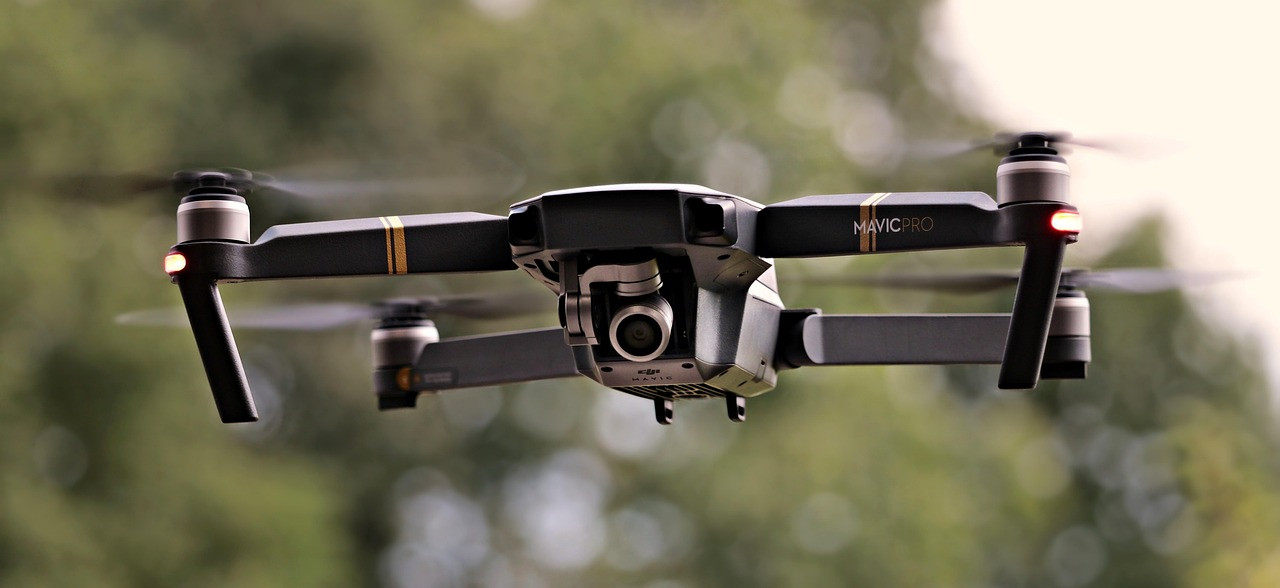
Representative image: pixel2013 / Pixabay
Munich start-up SE3 raised $30 million led by Accel on 12 November 2026 for software that helps drones navigate when GPS is jammed.
What Happened
SE3, a Munich start-up that builds "spatial intelligence" software for drones and other autonomous machines, has raised $30 million (about €27 million) in a Series A round led by the venture firm Accel, with Keen, Lakestar and Seedcamp also investing. The round was announced on Thursday, 12 November 2026. SE3's software lets drones and ground vehicles understand their surroundings and keep working when satellite navigation such as GPS is jammed or unavailable, and the company says it is already deployed in Ukraine.
Key Facts
- Amount: $30 million, about €27 million, in a Series A round.
- Lead investor: Accel; Keen, Lakestar and Seedcamp also took part.
- SE3 is a spin-off from the computer vision lab of Daniel Cremers at the Technical University of Munich.
- Leadership: Lukas Köstler (chief executive), Simon Klenk (chief technology officer) and Daniel Cremers (chief science officer).
- The company came out of stealth in June 2026 with €5.5 million in seed funding led by Lakestar.
- It plans to grow from about 40 employees to about 120 and to open offices in London, Berlin, the Nordic and Baltic region and Poland, according to reports.
- SE3 does not disclose revenue or order volumes.
Why It Matters
Most drones depend on GPS to know where they are. In modern warfare, that is a weakness. In Ukraine, electronic warfare jams satellite navigation signals on a huge scale, which can leave drones blind or send them off course. SE3's answer is to make machines rely on what they can see instead. Its software takes the video and sensor feeds from several drones and ground vehicles and fuses them into one shared three-dimensional picture of the area. A machine that can recognise its surroundings can work out where it is without a satellite signal.
The company makes software only; the aircraft and vehicles come from other manufacturers, and its platform is designed to work across different makers' machines. That is a deliberate choice. Armed forces often use a mix of drones from several suppliers, and a single layer of software that lets them share one picture of the battlefield could be more valuable than any single airframe.
The round also shows that leading generalist venture firms are now willing to back defence-related software. Coverage of the round places it within a busy period for European defence start-ups, and an Amsterdam-based defence company raised $300 million in a separate Series A only days earlier.
For Indian readers, the problem SE3 is tackling is not limited to Europe. Any drone that depends on satellite navigation can be disrupted by jamming, so navigation that relies on what a machine can see is becoming a core requirement for military drones in general.
SE3 has said it expects robotics and civilian applications in 2027. The same ability to map surroundings without GPS is useful in places such as warehouses, mines, tunnels and dense cities, where satellite signals are weak.
Peepals calculation: The Series A of about €27 million is roughly five times the €5.5 million seed round SE3 raised in June 2026 (27 ÷ 5.5 ≈ 4.9). The planned growth from about 40 to about 120 employees would triple the team (120 ÷ 40 = 3). Our calculation from the reported figures.
| Item | Detail |
|---|---|
| Round | Series A, $30 million (about €27 million) |
| Lead investor | Accel |
| Other investors | Keen, Lakestar, Seedcamp |
| Earlier round | €5.5 million seed, June 2026 |
| Team | About 40, planned to grow to about 120 |
Impact
Short-term: SE3 will hire engineers and commercial staff and open offices across Europe, including in London, Berlin, the Nordic and Baltic region and Poland, and strengthen its presence in Germany and Ukraine.
Long-term: If its software becomes a common layer across drone makers, SE3 could become an important supplier of battlefield awareness to European armed forces, and later to civilian robotics.
Who is affected: European armed forces and drone manufacturers, Ukrainian units using drones under heavy jamming, defence investors, and robotics companies that need navigation without GPS.
Key Takeaway
Munich's SE3 has raised $30 million led by Accel to scale software that lets drones see and navigate without GPS, a capability shaped by jamming on Ukraine's battlefields.
Questions and Answers
How much did SE3 raise and who led the round?
SE3 raised $30 million, about €27 million, in a Series A led by Accel, with Keen, Lakestar and Seedcamp participating, announced on 12 November 2026.
What does SE3 do?
It builds software that fuses video and sensor feeds from multiple drones and ground vehicles into a shared 3D picture, so machines can understand their surroundings and navigate where GPS is jammed or unavailable.
Is SE3's technology used in Ukraine?
The company says its software is already deployed in Ukraine, where GPS jamming is widespread. It does not disclose revenue or order volumes.
Who founded SE3?
SE3 spun out of Daniel Cremers' computer vision lab at the Technical University of Munich; Lukas Köstler is chief executive, Simon Klenk chief technology officer and Cremers chief science officer.
Disclaimer: Prepared by the Peepals newsroom from publicly available sources with AI assistance. Information is accurate to the best of our knowledge at the time of publication and may change. Images may be representative. Not professional advice. Report an error via our contact page.
By Elena D’Souza, Startups & Innovation CorrespondentCovers Start-ups & Opportunities and more for Peepals Global. All stories by Elena D’Souza
Get the day's stories in your inbox
Peepals Weekly: the week decoded, free. One email a week, unsubscribe in one click.
Elena D’Souza is a pen name of the Peepals Global Editorial Team, which researches, fact-checks and publishes every story. The portrait is an illustration.