
Sri Lanka Thailand visa-free agreement signed: 30-day stays, start date pending
 By Rohan SalujaGeopolitics Editor, Peepals Global
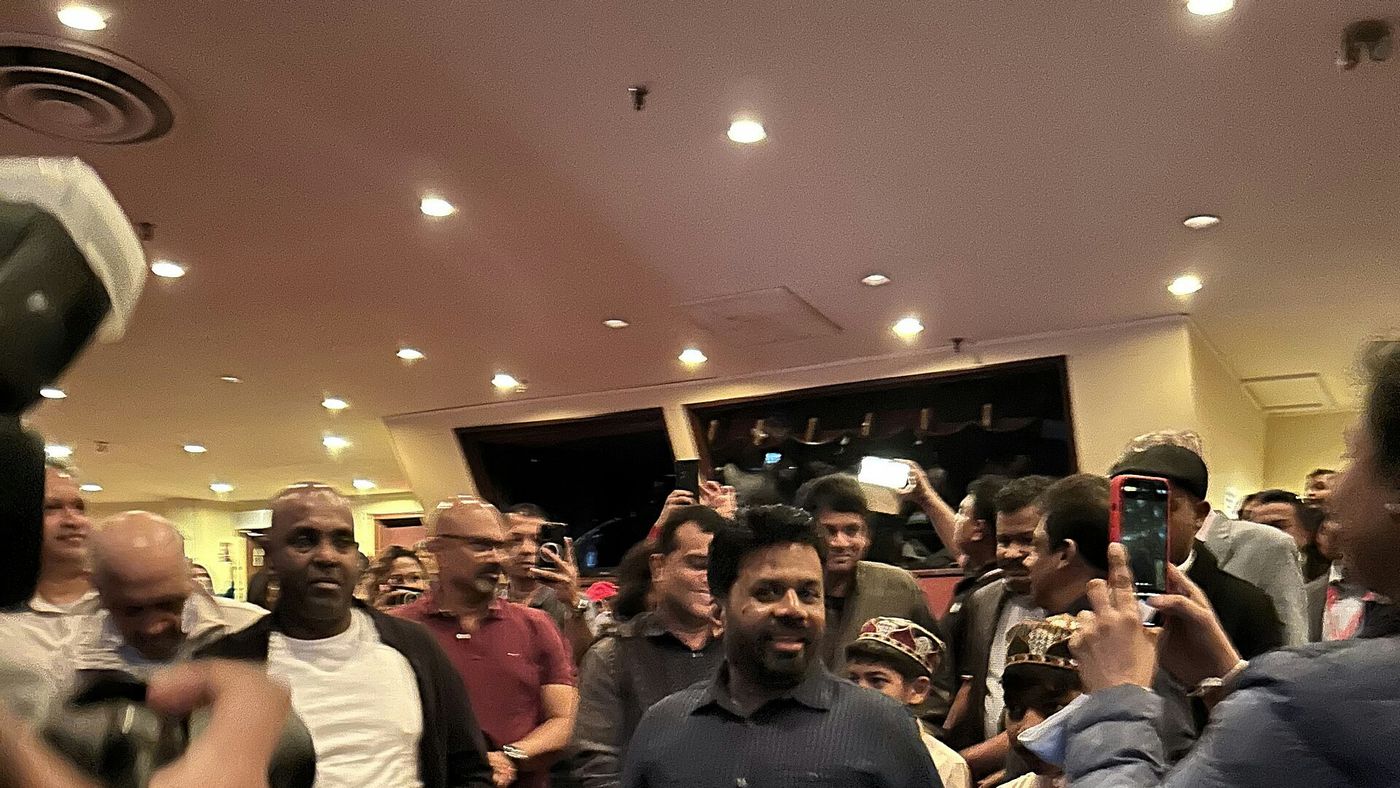
File photo: Titanciwiki (CC BY 4.0), via Wikimedia Commons
Sri Lanka and Thailand signed a visa-free deal for ordinary passport holders in Colombo on 22 November 2026, allowing 30-day stays once it takes effect.
Sri Lanka Thailand visa-free: what happened
Sri Lanka Thailand visa-free agreement: Sri Lanka and Thailand signed and exchanged an agreement on Sunday, 22 November 2026, to let ordinary passport holders of each country visit the other without a visa. The agreement was exchanged at the Presidential Secretariat in Colombo during talks between Sri Lankan President Anura Kumara Dissanayake and Thai Deputy Prime Minister and Foreign Minister Sihasak Phuangketkeow, with Sri Lankan Foreign Minister Vijitha Herath taking part. It allows stays of up to 30 days per visit and up to 90 days in any 180-day period. It is not yet in force: it takes effect on the 60th day after both countries finish their domestic procedures and notify each other in writing.
Sri Lanka Thailand visa-free: key facts
- Signed and exchanged: 22 November 2026, Colombo, during the Thai Deputy Prime Minister's visit from 20 to 23 November.
- Who it covers: holders of ordinary passports of Sri Lanka and Thailand.
- Stay allowed: up to 30 days per visit, multiple visits, no more than 90 days within any 180-day period.
- Start date: the 60th day after both sides complete domestic procedures and exchange written notifications; no calendar date has been announced.
- Thailand's Cabinet endorsed the 30-day exemption deal before the visit.
- Until it takes effect, travellers must follow existing visa rules.
- The official reason for the Thai minister's trip was the Royal Kathina ceremony in Kandy.
Sri Lanka Thailand visa-free: why it matters
The deal restores an easier route between two Buddhist-majority countries with close religious, tourism and trade links. Thailand had changed its rules this year: revised visa exemption and visa-on-arrival measures, published in Thailand's Royal Gazette on 31 August and in force from 15 September, removed visa-free entry for Sri Lankans. Foreign Minister Herath said Bangkok then proposed a bilateral agreement to set up a special arrangement. The signed text is the result, and it works both ways, covering Thai visitors to Sri Lanka as well.
For Sri Lanka, whose economy leans heavily on tourism and on travel for work and pilgrimage, easier access to Thailand also matters for business travellers and students. For Thailand, the Deputy Prime Minister said the agreement would contribute greatly to tourism in both countries. Sri Lankan Buddhists travel to Thai temples and Thai pilgrims visit Sri Lanka's sacred sites, including in Kandy, so religious travel is likely to benefit too.
The agreement also fits a wider trend in Asia: governments are using bilateral visa deals, rather than one-sided rules, to manage who can enter freely. Such deals give both sides a say and can be reviewed together.
The waiting period is important. Because the start date depends on each country completing its own legal steps, travellers who book trips now cannot rely on visa-free entry yet. Both governments will need to announce the date.
Peepals calculation: the 90-days-in-180 rule means a traveller can spend at most half of any six-month window in the other country (90 ÷ 180 = 50%), which is the same as three full 30-day visits (3 × 30 = 90). Our calculation from the reported figures.
Peepals timeline: 31 August 2026, Thailand publishes revised visa rules; 15 September, the new rules take effect and Sri Lankans lose visa-free entry; November, Thailand's Cabinet endorses a 30-day mutual exemption with Sri Lanka; 20 November, the Thai Deputy Prime Minister arrives in Sri Lanka; 22 November, the agreement is signed and exchanged in Colombo.
Sri Lanka Thailand visa-free: impact
Short-term: Nothing changes at the border yet. Travellers must still apply for visas until both governments announce the start date.
Long-term: Once in force, the deal should make tourism, pilgrimage and business trips between the two countries cheaper and simpler, and could lift visitor numbers both ways.
Who is affected: Sri Lankan and Thai ordinary passport holders, travel agents and airlines on the route, Buddhist pilgrims, and tourism businesses in both countries. Holders of diplomatic or official passports are not the subject of this agreement.
What to watch next: Formal notifications from both governments that their domestic procedures are complete, which starts the 60-day countdown.
Sri Lanka Thailand visa-free: key takeaway
Sri Lankans and Thais will soon get 30-day visa-free visits, but not yet: wait for the official start date before travelling without a visa.
Sri Lanka Thailand visa-free: questions and answers
When does the Sri Lanka Thailand visa-free agreement start?
No date is set. It takes effect on the 60th day after both countries complete domestic procedures and exchange written notifications.
How long can Sri Lankans stay in Thailand without a visa under the deal?
Up to 30 days per visit, with multiple visits allowed, but no more than 90 days in any 180-day period.
Why did Sri Lankans lose visa-free entry to Thailand?
Thailand's revised visa rules, published on 31 August and in force from 15 September 2026, removed it; the new bilateral agreement is meant to restore it.
Does the agreement also cover Thais visiting Sri Lanka?
Yes. It is mutual and applies to ordinary passport holders of both countries.
Disclaimer: Prepared by the Peepals newsroom from publicly available sources with AI assistance. Information is accurate to the best of our knowledge at the time of publication and may change. Images may be representative. Not professional advice. Report an error via our contact page.
By Rohan Saluja, Geopolitics EditorCovers Geopolitics and more for Peepals Global. All stories by Rohan Saluja
MegaRobo funding: Oman fund joins nearly $200 million round for AI labs
UFC Qatar: Navajo Stirling knocks out Jiri Prochazka, stays unbeaten at 12-0
Your week ahead, every Sunday. Free.
Exam and result dates, IPOs opening, scheme deadlines, government holidays and the RBI decision for the next 7 days, plus the week's top stories. One email a week, unsubscribe in one click.
Rohan Saluja is a pen name of the Peepals Global Editorial Team, which researches, fact-checks and publishes every story. The portrait is an illustration.
Responsible for this story: the Peepals Global Editorial Team, led by editor Prashant Sonar. How we report