Australia widens kalmegh (andrographis) recalls as regulator moves to enforcement
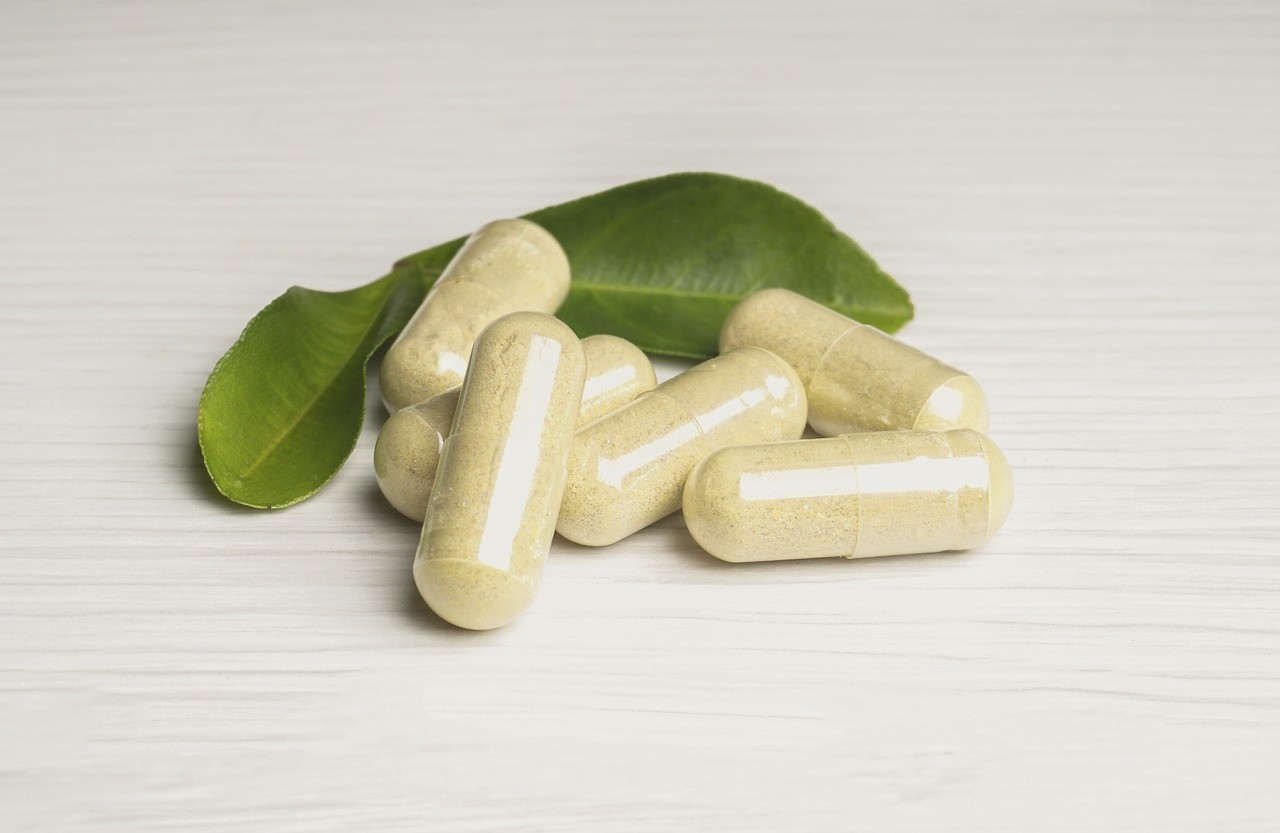
Representative image: JaksaPhoto / Pixabay
Australia's TGA removed andrographis (kalmegh) from low-risk medicines over anaphylaxis and began enforcement from mid-October 2026 as recalls spread.
What Happened
Australia's medicines regulator, the Therapeutic Goods Administration (TGA), has moved into the enforcement stage of its crackdown on andrographis, the bitter herb known in India as kalmegh. The TGA removed Andrographis paniculata from the list of ingredients allowed in low-risk "listed" medicines with effect from September 17, 2026, after linking it to serious allergic reactions, including anaphylaxis. It asked companies to recall or cancel existing products voluntarily and said it would begin regulatory action from mid-October 2026 against those that had not. Recalls are now spreading: six product lines had been recalled by October 8, and further popular immune-support supplements have since been pulled from shelves.
Key Facts
- The removal of Andrographis paniculata from Australia's Permissible Ingredients Determination took effect on September 17, 2026.
- New listed medicines in Australia can no longer contain the herb; a product can still be sold only if it passes the stricter registered-medicines assessment.
- The TGA's safety review counted 1,368 adverse reactions linked to andrographis medicines up to December 2025, including almost 300 cases of anaphylaxis.
- The regulator has cited a fatal case reported in June 2024.
- Six stock-keeping units had been recalled as of October 8, 2026, according to trade reports.
- Later recalls include BioCeuticals ArmaForce, BioCeuticals Clinical ImmuneForce and Faulding Immune Combat, and the TGA told consumers to stop using two Nourex Professional immune products.
- The TGA said it would start regulatory action from mid-October 2026, including possible compulsory recalls or cancellation of listings, where companies had not acted.
Why It Matters
Andrographis has been one of the best-selling herbal ingredients in Australian cold and flu remedies, usually sold as an immune supplement taken at the first sign of a sore throat. For years the TGA tried warnings and label changes. It has now concluded that those steps did not bring down the number of anaphylaxis reports, and that the herb no longer belongs in the category of medicines that can be sold after a company simply certifies its own product. Listed medicines in Australia are not individually checked for safety before sale; registered medicines are. Moving andrographis out of the listed pathway means any future product with the herb would need a full pre-market assessment of safety, quality and effectiveness.
For readers in India the story is close to home. Kalmegh is a familiar plant in Ayurveda. The Indian Council of Agricultural Research describes it as widely used in Ayurveda for conditions such as fever, jaundice, bronchitis, diabetes and skin disease, and its leaves are recognised in Indian pharmacopoeial standards. The Australian decision does not say the herb has no use. It says that, at the doses and forms sold in Australian supplements, the risk of a sudden, severe allergic reaction is too high for a product category that skips individual review.
The case is a clear example of where tradition meets evidence. A plant with a long history of use in one system can still produce new safety signals when it is concentrated into tablets, taken widely by the public, and monitored through a modern adverse-event reporting system. Regulators elsewhere watch such decisions closely, and companies that export herbal products to Australia now face a stricter path.
Australia's andrographis rules at a glance Stage | Date | What it means Ingredient removed from listed medicines | September 17, 2026 | No new low-risk listed products with andrographis Voluntary recalls and cancellations | September to mid-October 2026 | Companies asked to withdraw existing products Regulatory action | From mid-October 2026 | TGA may order recalls or cancel listings Registered pathway | Ongoing | Products allowed only after full TGA assessment
Impact
Short-term: Australian shoppers will find fewer andrographis immune products on pharmacy and supermarket shelves as more brands recall stock or cancel listings. Some brands are reformulating, with other botanicals and probiotics under consideration as replacements, according to industry reports. Consumers are advised to check labels and think about whether to keep using products containing the herb.
Long-term: The decision may shape how other regulators view andrographis and similar concentrated herbal extracts. It also raises the bar for Indian and other exporters of kalmegh-based supplements, who would need full registration data to sell in Australia. The TGA has also asked sponsors of export-only products made in Australia to review the safety findings.
Who is affected: Australian consumers who use herbal cold and flu remedies, supplement companies and pharmacies in Australia, exporters of andrographis extracts, and Ayurveda practitioners and manufacturers who follow international regulatory trends on traditional herbs.
Key Takeaway
Australia has taken kalmegh out of its low-risk medicines list over anaphylaxis reports, and from mid-October 2026 its regulator can force recalls of products still on sale.
Questions and Answers
Why did Australia's TGA recall andrographis cold and flu medicines?
The TGA linked Andrographis paniculata to 1,368 adverse reactions up to December 2025, including almost 300 cases of anaphylaxis and a death reported in June 2024. Earlier warnings did not reduce reports, so it removed the herb from low-risk listed medicines from September 17, 2026.
Is andrographis the same as kalmegh used in Ayurveda?
Yes. Andrographis paniculata is the plant known in India as kalmegh, a bitter herb widely used in Ayurveda for fever, jaundice, bronchitis and other conditions.
Is andrographis banned completely in Australia?
No. It can no longer be used in listed medicines, but a product containing it can still be sold if it is registered after the TGA assesses its safety, quality and effectiveness.
What happens to products still on sale after mid-October 2026?
The TGA said that where companies have not voluntarily recalled or cancelled their products, it would begin regulatory action, which can include compulsory recalls or cancelling the products' listings.
Disclaimer: Prepared by the Peepals newsroom from publicly available sources with AI assistance. Information is accurate to the best of our knowledge at the time of publication and may change. Images may be representative. Not professional advice. Report an error via our contact page.
Sourced and fact-checked by the Peepals Global Editorial Team
Reported, fact-checked and published by the Peepals Global Editorial Team.