Ayush doctors get six-month emergency care, lifestyle counselling courses

Representative image: Joa70 / Pixabay
Two six-month courses in acute care and lifestyle counselling for Ayush doctors were launched at the Indo-UK Health Conclave in Delhi on 9 October 2026.
What Happened
Ayush doctors in India are to get two new six-month certificate courses in hospital-based clinical skills, announced at the second Indo-UK Health Conclave in New Delhi on Friday, 9 October 2026. The courses, a Certificate in Acute Care and Emergency Support and a Certificate in Lifestyle Health and Well-Being Counselling and Practice, are offered by Marengo Asia Hospitals and the UK-based BAPIO Training Academy in association with the Ministry of Ayush. Union Minister of State for Ayush Prataprao Jadhav, who inaugurated the conclave, welcomed the initiative and said traditional medicine can strengthen preventive healthcare when it is backed by scientific evidence and quality standards.
Key Facts
- The second Indo-UK Health Conclave opened in New Delhi on 9 October 2026 as a two-day event; the first edition was held in London in May 2025.
- The conclave was organised by Marengo Asia Hospitals and BAPIO Training Academy under the theme "Bridging Healthcare, Education and Innovation".
- Two six-month certificate courses were launched for Ayush graduates and postgraduates: one in acute care and emergency support, the other in lifestyle health and well-being counselling.
- Both combine structured teaching with supervised practical training in a hospital setting, according to the organisers.
- The organisers said the courses focus on upgrading the clinical skills of Ayush doctors, naming BAMS (Ayurveda) and BHMS (Homoeopathy) graduates.
- Fees, the number of seats, eligibility rules and intake dates had not been published in the reports of the launch.
Why It Matters
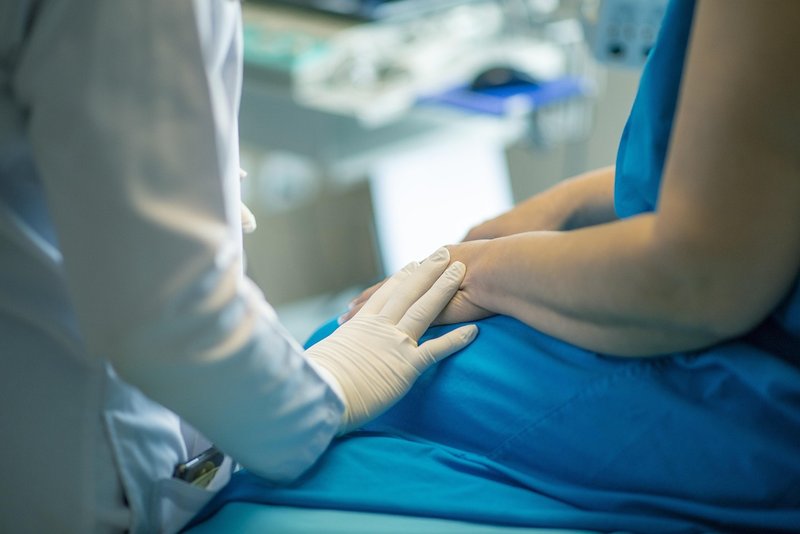
India trains a large number of doctors in Ayurveda, Homoeopathy, Unani and Siddha every year, but their place in mainstream hospitals is often unclear. Many work in Ayush clinics, in wellness centres or as duty doctors in private hospitals, where they may meet emergencies or patients with lifestyle diseases without formal training for those situations. A structured, supervised course in emergency support and in lifestyle counselling gives them a defined role inside a multidisciplinary team, rather than leaving that role to informal arrangement.
The minister framed the move within the government's wider line on Ayush: that India's traditional systems, which he listed as Ayurveda, Yoga, Unani, Siddha, Sowa-Rigpa and Homoeopathy, can contribute to preventive care and overall well-being when supported by research, clinical evidence, quality standards and responsible integration. He also pointed to the United Kingdom's experience in clinical governance and patient safety as complementary to India's clinical capacity and scale of healthcare delivery. In simple terms, the pitch is that tradition gains credibility when it is practised under the same rules of training, supervision and accountability as modern medicine.
The timing fits a run of moves by the Ayush ministry to tie traditional practice to evidence and standard protocols. Earlier in the same week, on 13 October, the ministry released standard treatment guidelines for skin disorders across Ayurveda, Siddha, Unani and Homoeopathy, with Yoga included. Internationally, the World Health Organization published a global research agenda on traditional, complementary and integrative medicine in September 2026, noting that less than 1% of global health research funding goes to this field. Training Ayush graduates in recognised clinical skills is one practical way to build the kind of evidence and safety record that both the ministry and the WHO are asking for.
There are open questions. The reports of the launch did not say who awards the certificates, whether they will be recognised by the National Commission for Indian System of Medicine or the National Commission for Homoeopathy, or how many doctors can enrol. Ayush graduates considering the courses should wait for the organisers to publish eligibility, fees and dates, and should check how the certificate will be recognised before they commit time and money.
| The two new courses | What they cover |
|---|---|
| Certificate in Acute Care and Emergency Support | Clinical support skills for emergencies, taught with supervised hospital training |
| Certificate in Lifestyle Health and Well-Being Counselling and Practice | Preventive health counselling for lifestyle conditions |
| Duration | Six months each |
| Who can apply | Ayush graduates and postgraduates, with BAMS and BHMS named by the organisers |
Impact
Short-term: Ayush graduates gain a new, hospital-based training option in emergency support and lifestyle counselling. Details on admission are still awaited from the organisers.
Long-term: If such courses are widely taken up and formally recognised, Ayush doctors could take on clearer, supervised roles in hospital teams, especially in preventive care and the management of lifestyle diseases, and the India-UK partnership could serve as a model for other training tie-ups.
Who is affected: BAMS, BHMS and other Ayush graduates and postgraduates; private hospitals that employ Ayush doctors in clinical support roles; patients who see Ayush practitioners for lifestyle conditions; and regulators who set the scope of Ayush practice.
Key Takeaway
A new India-UK training tie-up offers Ayush doctors six-month, hospital-based courses in emergency support and lifestyle counselling, in line with the Ayush ministry's push to pair tradition with evidence and clinical standards.
Questions and Answers
What courses for Ayush doctors were launched at the Indo-UK Health Conclave 2026?
Two six-month certificate courses: a Certificate in Acute Care and Emergency Support and a Certificate in Lifestyle Health and Well-Being Counselling and Practice. They were launched on 9 October 2026 in New Delhi by Marengo Asia Hospitals and BAPIO Training Academy, in association with the Ministry of Ayush.
Who can take these courses?
The organisers said the courses are for Ayush graduates and postgraduates and named BAMS and BHMS doctors. Fees, seat numbers and intake dates had not been announced at the launch.
What did the Ayush minister say at the conclave?
Minister of State Prataprao Jadhav said India's traditional systems of medicine can strengthen preventive healthcare and well-being when backed by scientific research, clinical evidence, quality standards and responsible integration, and he welcomed the training initiative.
Does this let Ayush doctors practise modern emergency medicine on their own?
Nothing in the announcement says so. The courses are described as building clinical support skills and preventive counselling within multidisciplinary hospital teams, under supervised training.
Disclaimer: Prepared by the Peepals newsroom from publicly available sources with AI assistance. Information is accurate to the best of our knowledge at the time of publication and may change. Images may be representative. Not professional advice. Report an error via our contact page.
Sourced and fact-checked by the Peepals Global Editorial Team
Tamil Nadu eases temple phone ban: carry phones switched off, photos still barred
Tribal Languages Working Group meets; Adi Vaani to become language repository
Reported, fact-checked and published by the Peepals Global Editorial Team.