Online yoga eased cough in lung fibrosis patients, YES-IPF trial finds
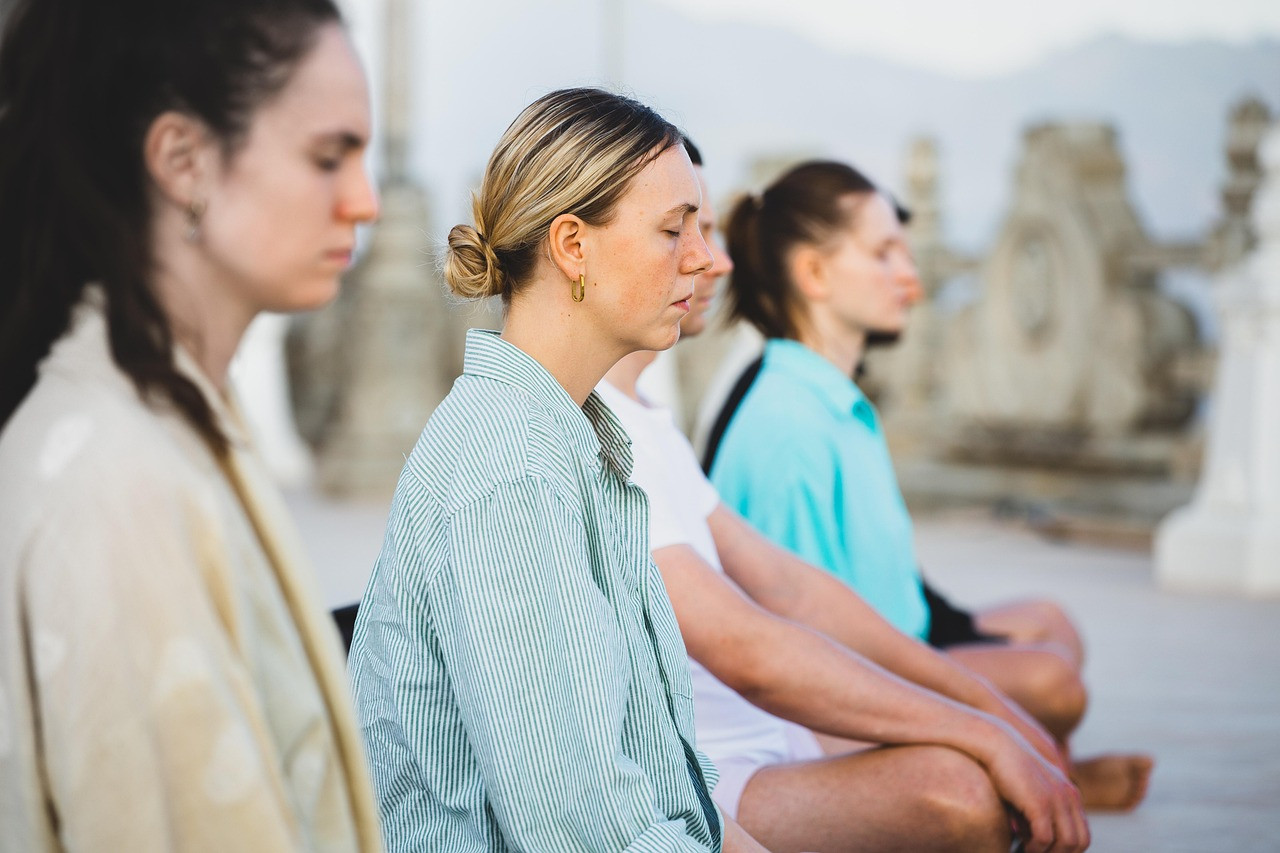
Representative image: kalyanayahaluwo / Pixabay
A 63-patient US trial published on October 14, 2026 found twice-weekly online yoga safe and linked to better cough and quality-of-life scores in lung fibrosis.
What Happened
A peer-reviewed study of online yoga for people with idiopathic pulmonary fibrosis (IPF), a scarring disease of the lungs, was made available in the journal Respiratory Medicine on Wednesday, October 14, 2026. The trial, called YES-IPF (Yoga Effect on Quality of Life Study Among Patients with Idiopathic Pulmonary Fibrosis), was run at the Center for Interstitial Lung Diseases at UW Medical Center in Seattle, United States. Its authors report that a virtual yoga programme was feasible and well tolerated, and that patients in the yoga group scored better on several cough and quality-of-life measures than patients who received usual care alone. The authors call the findings exploratory and say a larger trial is needed.
Key Facts
- The trial enrolled 63 adults with idiopathic pulmonary fibrosis; 32 were assigned to yoga and 31 to usual care.
- Sixty of the 63 participants completed the week-12 assessment, and their average age was about 73 years.
- The yoga group attended one-hour online group sessions twice a week for 12 weeks, built around seated postures, breathing exercises and meditation.
- Patients in the yoga group did better on the cough domain and total score of the L-IPF questionnaire, and on the cough domain of the R-scale-PF.
- The trial was single-centre and not blinded, and it is registered on ClinicalTrials.gov as NCT02848625.
- A related analysis of the same trial found that the gains in patient-reported outcomes came without significant changes in lung function measures such as forced vital capacity.
Why It Matters
Idiopathic pulmonary fibrosis is a long-term lung disease in which the tissue around the air sacs thickens and stiffens, so breathing becomes harder over time. "Idiopathic" means the cause is not known. The disease mostly affects older adults, and its daily burden is heavy: a dry, persistent cough, breathlessness during ordinary tasks, tiredness and anxiety. Medicines can slow the decline in lung function, but they do little for the cough and the loss of quality of life that patients describe as the hardest part of living with the illness.
That gap is where gentle, supervised movement and breathing practice have attracted interest. Pulmonary rehabilitation, which combines exercise training and education, is already a standard recommendation for many lung patients, but it usually means travelling to a clinic several times a week, which is hard for frail, older and breathless people. YES-IPF tested whether yoga delivered over video could be a practical alternative. The trial was carried out by virtual means, and its home-based format is one of its most useful findings: participants could join from their own homes, and nearly all of them stayed in the study to the end.
For readers who follow Yoga as part of the Ayush systems, the study is a useful example of how yoga is increasingly tested in hospital settings abroad with standard medical questionnaires, randomisation and trial registration. It also shows the limits of such early work. The benefits were measured by what patients reported about their own symptoms, not by improvements in the lungs themselves. The authors are careful to describe the results as exploratory.
| YES-IPF at a glance | Detail |
|---|---|
| Participants | 63 adults with IPF, 60 completed |
| Programme | 1-hour online group sessions, twice weekly, 12 weeks |
| Content | Seated postures, breathing exercises, meditation |
| Better scores in | L-IPF cough domain and total score, R-scale-PF cough domain |
| Status | Pilot trial; larger study needed |
Impact
Short-term: The publication gives lung specialists and patients evidence that an online, seated yoga programme can be run safely for older people with IPF, and that most participants will keep attending. Doctors who already suggest breathing practice or relaxation for symptom relief now have a peer-reviewed pilot trial to point to, with a clear description of what the sessions contained.
Long-term: The authors' call for a larger trial is the key next step. A bigger, multi-centre study could test whether the cough and quality-of-life gains hold up, whether they last beyond 12 weeks, and whether they bring any change in lung function or exercise capacity. If they do, virtual yoga could become an option alongside conventional pulmonary rehabilitation, especially for patients who cannot travel.
Who is affected: People living with idiopathic pulmonary fibrosis and their carers, lung specialists and rehabilitation teams, yoga teachers who work with older or chronically ill people, and researchers studying yoga as a complementary therapy.
Key Takeaway
A small US trial published on October 14, 2026 found that twice-weekly online yoga was safe and eased cough-related quality of life for patients with lung fibrosis, but its authors say a larger trial must confirm the result.
Questions and Answers
What did the YES-IPF yoga study find?
In a 12-week trial of 63 adults with idiopathic pulmonary fibrosis in Seattle, patients who attended online yoga twice a week scored better on cough and overall quality-of-life questionnaires than those who received usual care, and the programme was well tolerated.
Did yoga improve lung function in pulmonary fibrosis?
No. A related analysis of the trial reports that the improvements were in patient-reported outcomes, without significant changes in clinical measures such as forced vital capacity.
What kind of yoga was used in the trial?
Participants joined one-hour online group sessions twice a week for 12 weeks, made up of seated postures, breathing exercises and meditation, so that older and breathless patients could take part from home.
Should patients with pulmonary fibrosis start yoga on the strength of this study?
The authors describe the findings as exploratory from a single-centre pilot trial. Patients interested in yoga should discuss it with their lung specialist, who can judge whether a gentle, supervised programme suits their condition.
Disclaimer: Prepared by the Peepals newsroom from publicly available sources with AI assistance. Information is accurate to the best of our knowledge at the time of publication and may change. Images may be representative. Not professional advice. Report an error via our contact page.
Sourced and fact-checked by the Peepals Global Editorial Team
Aurora Hindu temple near Chicago was target of foiled shooting plot, prosecutors say
Navratri 6th day: who Katyayani is, and why the old texts tell her story differently
Reported, fact-checked and published by the Peepals Global Editorial Team.