Kuttu atta during Navratri: 51 treated in Rampur; Ghaziabad lab confirms adulteration
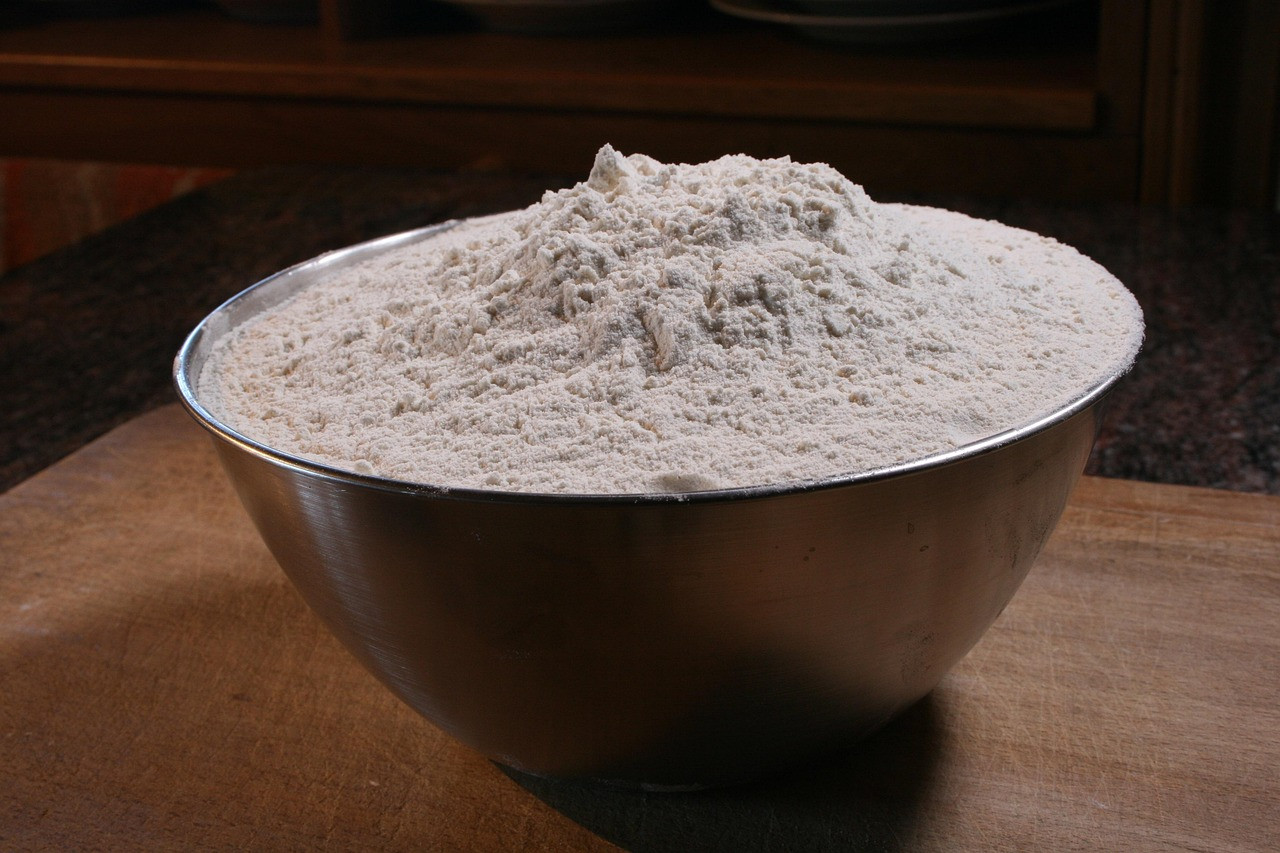
Representative image: u_ozasl6z8zh / Pixabay
51 people reached Rampur district hospital after kuttu flour meals on 11 October 2026; a Ghaziabad lab confirmed adulteration in March's case on 16 October.
What Happened
Dozens of people in Rampur, Uttar Pradesh, needed hospital care after eating fasting food made from kuttu atta (buckwheat flour) during Navratri. The meals, mostly pakoras, puris and parathas, were eaten on the night of Sunday, 11 October 2026. Within a few hours people began vomiting, with diarrhoea and uneasiness, and by 8 am on Monday, 12 October, about 25 patients from different parts of the city had reached the district hospital. A later count put the total at 51 people who came to the district hospital between 11 pm on Sunday and 3 pm on Monday; 39 had recovered and gone home, and 12 were still being treated. Four days later, on Friday, 16 October, a separate case in Ghaziabad showed how slowly such incidents are resolved: a laboratory report on kuttu flour that made six people ill in Modinagar during the March Navratri arrived only after seven months, and confirmed that the flour was substandard and adulterated.
Key Facts
- Rampur patients fell ill after eating kuttu flour dishes on the night of 11 October 2026, during the autumn Navratri fast.
- Early reports counted about 25 patients by Monday morning, including seven members of one family; a later hospital tally reached 51.
- Of the 51, 39 were discharged after recovering and 12 remained under treatment on 12 October.
- One account says patients had bought loose flour from the Nayaganj market; others said they bought it from different shops in the city.
- In Ghaziabad, a lab report on flour from the March 2026 Navratri cases took seven months and confirmed adulteration.
- A case has now been filed in the SDM court in Ghaziabad against the shopkeeper, the manufacturer and the distributor.
- The Food Safety and Standards Authority of India (FSSAI) told all states on 29 September to step up festive-season sampling, naming kuttu and singhara flour as a focus in northern and western India.
Why It Matters
Kuttu atta is one of the foods that define the Navratri fast in north India. Because grains such as wheat and rice are avoided during the vrat, households turn to buckwheat, water chestnut (singhara) and barnyard millet (samak) flours. Demand for these flours rises sharply for a few days twice a year, at the spring and autumn Navratris, and much of it is sold loose by the kilo. That makes the flour a recurring problem for regulators: outbreaks linked to kuttu were reported in Bijnor in October 2024, in Dehradun in March 2025, where more than 100 people fell ill and 22 shops were sealed, and in north-west Delhi in September 2025, where about 200 people were affected.
The Rampur cases show the same pattern again. Reports differ on the number of patients, from more than a dozen to 51, which is common in the first hours of such an outbreak as people reach the hospital from different neighbourhoods. No official finding on what made the flour harmful had been published in the reports available, and the cause should not be assumed until laboratory results are released. Some patients' families have questioned the food safety department, alleging that its checks during the year are a formality.
The Ghaziabad report explains why such complaints persist. According to that account, the trader whose flour made six people ill in Modinagar in March kept trading while the sample was being tested, and the department's action in the meantime was limited to notices and legal procedure. Only when the report confirmed adulteration, seven months on, did a case go to the court of the sub-divisional magistrate. For someone who fasts, that means the safety of a festival staple rests largely on what they buy and from whom.
| Incident | When | What was reported |
|---|---|---|
| Rampur, UP | 11-12 October 2026 | 51 reached the district hospital; 39 discharged, 12 under treatment |
| Modinagar, Ghaziabad | March 2026, report on 16 October | Six fell ill; lab confirmed substandard, adulterated flour |
| North-west Delhi | September 2025 | About 200 people affected |
| Dehradun | March 2025 | More than 100 ill; 22 shops sealed |
Impact
Short-term: With Ashtami and Navami fasts still ahead this week, families in Uttar Pradesh and nearby states are likely to be more careful about where their kuttu atta comes from. Food safety teams in Ghaziabad had already listed Loni and Modinagar as sensitive areas for checks on buckwheat flour this Navratri, and pressure for similar sampling in Rampur is likely.
Long-term: The seven-month wait in Ghaziabad shows that testing and prosecution move far more slowly than the fasting season. Rules that keep loose kuttu flour off the shelves, as Uttarakhand's food regulator ordered before the March Navratri when it allowed only sealed packs showing manufacturing and expiry dates, may become a model for other states.
Who is affected: People who keep the Navratri fast, especially in north India; small flour traders and mills that sell loose fasting flour; and district food safety departments that must sample and test within days rather than months.
Key Takeaway
Kuttu atta illnesses return almost every Navratri, and the Rampur outbreak and the slow Ghaziabad lab report show that buyers still carry most of the risk.
Questions and Answers
What happened with kuttu atta in Rampur during Navratri 2026?
People in Rampur, Uttar Pradesh, fell ill after eating kuttu flour pakoras, puris and parathas on the night of 11 October 2026. A hospital count on 12 October put the total at 51, of whom 39 went home and 12 were still being treated.
Has the cause of the Rampur illnesses been confirmed?
Not in the reports available so far. The flour has been blamed because the patients had all eaten kuttu dishes, but no laboratory finding on the Rampur flour has been published.
Why does kuttu atta keep making people ill during fasts?
Demand for the flour jumps for a few days around each Navratri, and much of it is sold loose, which makes old or adulterated stock hard to trace. A Ghaziabad lab report released on 16 October confirmed adulteration in flour that made six people ill in March.
What should people who fast look for when buying kuttu atta?
Regulators have pushed sealed packs over loose flour. Uttarakhand's food regulator, for example, allowed only sealed packets showing manufacturing and expiry dates before the March Navratri. Anyone who falls ill after a fasting meal should go to a hospital and report the shop to the district food safety office.
Disclaimer: Prepared by the Peepals newsroom from publicly available sources with AI assistance. Information is accurate to the best of our knowledge at the time of publication and may change. Images may be representative. Not professional advice. Report an error via our contact page.
Sourced and fact-checked by the Peepals Global Editorial Team
Reported, fact-checked and published by the Peepals Global Editorial Team.