
FSSAI festive drive: 3,280 tonnes of paneer, ghee, sweets seized
 By Ananya RaoStaff Writer, Peepals Sanskriti
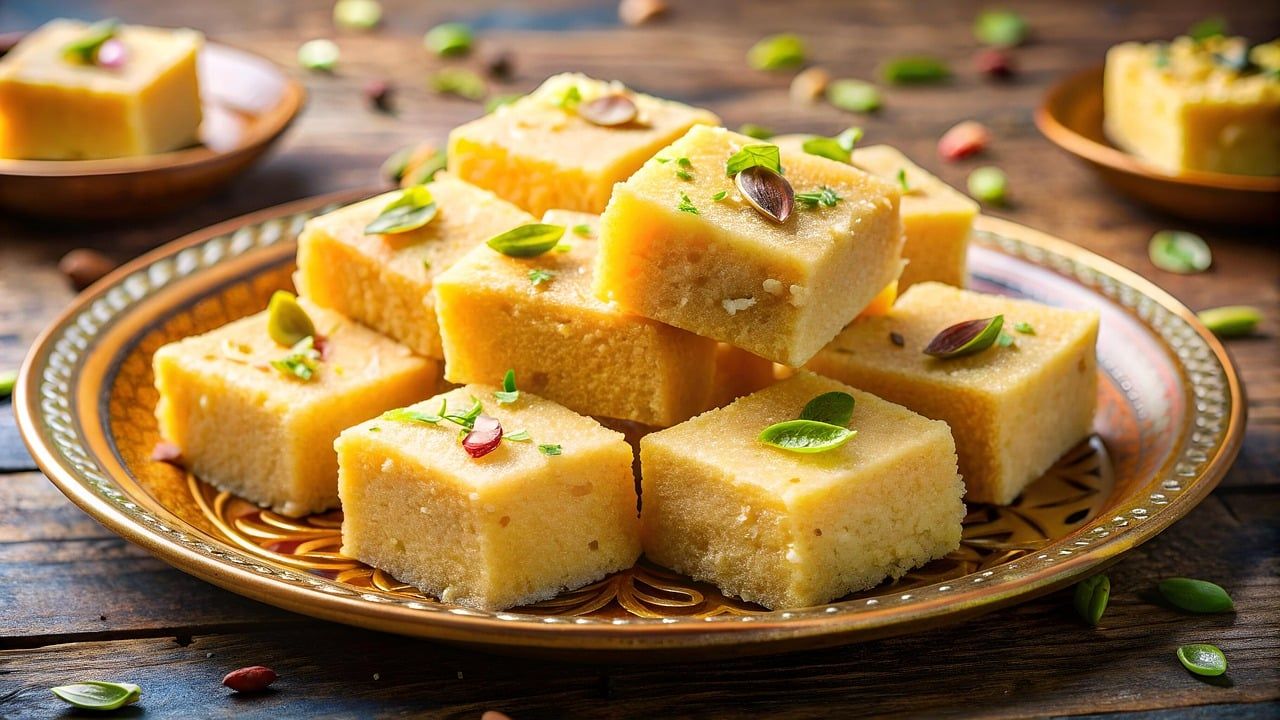
Representative image: kumarsu6745_ / Pixabay
FSSAI seized 3,279.57 tonnes of non-compliant food worth Rs 81.80 crore, including paneer, ghee and sweets, in its 1 Sept-5 Nov 2026 festive drive.
FSSAI festive drive: what happened
The Food Safety and Standards Authority of India (FSSAI) seized 3,279.57 tonnes of banned and non-compliant food worth Rs 81.80 crore during its nationwide festive-season drive, which ran from 1 September to 5 November 2026, the regulator said in figures it shared on social media on Saturday. Paneer, ghee, milk, khoya and sweets were among the items taken off the market, along with edible oils, bakery products and chocolates. Food safety officers inspected 56,431 establishments across the states and Union Territories, suspended 1,133 licences, cancelled 52 and sealed 314 businesses.
FSSAI festive drive: key facts
- Establishments inspected: 56,431, from 1 September to 5 November 2026.
- Samples collected: 43,939, of which 2,273 failed to meet prescribed food safety standards.
- Improvement notices issued to food businesses: 10,047.
- Licences suspended: 1,133; licences cancelled: 52; establishments sealed: 314.
- Prosecutions started: 410.
- Food seized: 3,279.57 tonnes, valued at Rs 81.80 crore; FSSAI did not give a state-wise break-up.
FSSAI festive drive: why it matters
India's festive season, from Navratri and Durga Puja through Diwali and Bhai Dooj, is when households buy the most sweets, ghee, khoya and paneer. FSSAI itself has pointed to that rise in demand for sweets, savouries, milk, ghee, khoya and paneer, which is why the regulator had asked states to step up monitoring of sweets and dairy products before the season began.
The figures give a rare national picture of what food safety officers found. Most of the action was corrective rather than punitive: more than ten thousand businesses were told to improve, while a much smaller number lost their licences or were shut. The 410 prosecutions are the cases where officials believe the law was broken badly enough to take to court, and their outcome will take months or years.
For people who follow a traditional diet built around milk, ghee and home-style sweets, the drive is a reminder that the purity of these foods cannot be taken for granted. The regulator's list of seized items reads like the shopping list of an Indian festival, which shows where its officers focused.
The drive also fits a wider pattern. Over recent weeks FSSAI and state food safety departments have acted against nutraceutical makers, packaged water samples and restaurant licences, signalling tighter enforcement across the food chain, from dairy shops to online sellers.
Peepals calculation: 2,273 failed samples out of 43,939 means about 5.2% of the food tested was below standard (2,273 ÷ 43,939 ≈ 0.052). Improvement notices went to about 18% of the places inspected (10,047 ÷ 56,431 ≈ 0.178). The seized food was valued at about Rs 249 a kilo on average (Rs 81.80 crore ÷ 3,279.57 tonnes ≈ Rs 2.49 lakh a tonne). Our calculation from the reported figures.
| Measure | Festive drive, 1 Sept to 5 Nov 2026 |
|---|---|
| Establishments inspected | 56,431 |
| Samples failed | 2,273 of 43,939 |
| Licences suspended / cancelled | 1,133 / 52 |
| Establishments sealed | 314 |
| Food seized | 3,279.57 tonnes, Rs 81.80 crore |
FSSAI festive drive: impact
Short-term: Shops and makers whose licences were suspended or sealed cannot trade until the problems are fixed, and those that received improvement notices face follow-up checks.
Long-term: Regular drives of this size may push dairy and sweet makers to keep better records, test their raw materials and store perishables at the right temperatures, which raises costs for small units but lowers the risk for buyers.
Who is affected: Families who buy paneer, ghee, khoya and sweets, especially during festivals; small dairies, sweet shops and food makers; and state food safety departments that carried out the inspections.
FSSAI festive drive: key takeaway
Buyers of paneer, ghee and sweets should check that the seller displays a valid FSSAI licence or registration number and should prefer sealed, labelled packs with a clear date of manufacture.
FSSAI festive drive: questions and answers
How much food did FSSAI seize in the festive drive of 2026?
The regulator seized 3,279.57 tonnes of banned and non-compliant food worth Rs 81.80 crore between 1 September and 5 November 2026.
Which foods were seized?
The seized items included paneer, ghee, milk, khoya and sweets, as well as edible oils, bakery products and chocolates.
How many food businesses lost their licences?
FSSAI suspended 1,133 licences and cancelled 52. It also sealed 314 establishments and started 410 prosecutions.
Did FSSAI name the states with the most violations?
No. The figures were national totals, and the regulator did not release a state-wise break-up.
How long did the FSSAI festive drive last, and how busy were inspectors?
It ran for 66 days, from 1 September to 5 November 2026. Over that period officers inspected 56,431 establishments, which works out to about 855 inspections a day across the country (56,431 ÷ 66 ≈ 855).
Disclaimer: Prepared by the Peepals newsroom from publicly available sources with AI assistance. Information is accurate to the best of our knowledge at the time of publication and may change. Images may be representative. Not professional advice. Report an error via our contact page.
By Ananya Rao, Staff WriterCovers Ayush and more for Peepals Sanskriti. All stories by Ananya Rao
Your week ahead, every Sunday. Free.
Exam and result dates, IPOs opening, scheme deadlines, government holidays and the RBI decision for the next 7 days, plus the week's top stories. One email a week, unsubscribe in one click.
Ananya Rao is a pen name of the Peepals Global Editorial Team, which researches, fact-checks and publishes every story. The portrait is an illustration.
Responsible for this story: the Peepals Global Editorial Team. How we report