WHO Living Well: traditional medicine trust mark idea moves to wellness industry
 By Ananya RaoStaff Writer, Peepals Sanskriti
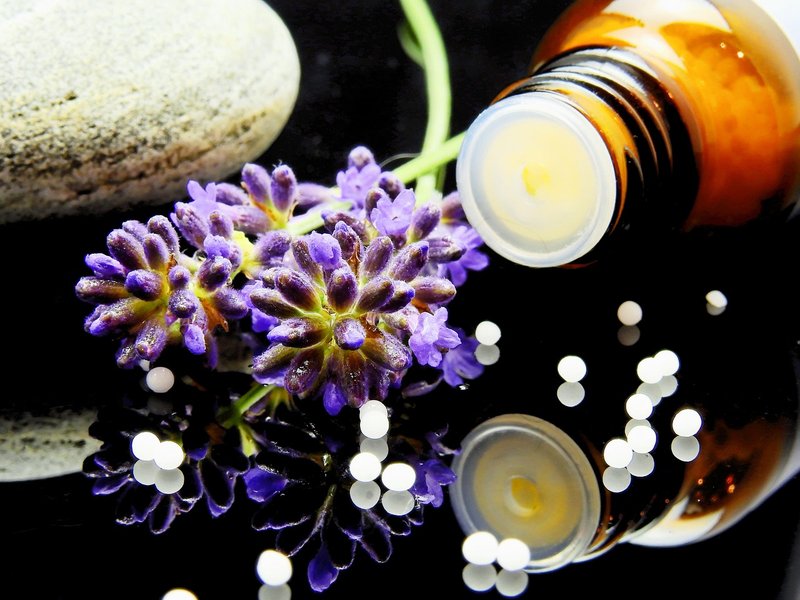
Representative image: angelorosa / Pixabay
WHO said on 23 November 2026 its traditional medicine centre took the 'Living Well' trust framework to the Phuket wellness summit; Bangkok hosts 2027 summit.
WHO Living Well: what happened
The World Health Organization's Global Traditional Medicine Centre (GTMC) is pressing ahead with "Living Well", a planned framework meant to build trust in traditional medicine and wellness products, practices and places under the motto "Sourced · Safe · Sustainable". WHO said on Monday, 23 November 2026, that the centre had discussed the initiative with wellness-industry leaders and Thai officials at the 20th Global Wellness Summit in Phuket, Thailand, held from 10 to 13 November. The talks also looked ahead to the Third WHO Global Summit on Traditional Medicine, which Thailand will host in Bangkok on 10 to 12 November 2027.
WHO Living Well: key facts
- Living Well is still at an early stage: WHO describes it as an emerging initiative being co-developed, with no published design, rules or timeline yet.
- It was first put forward at the eighth meeting of the Group of Friends of Traditional Medicine in Geneva on 23 September 2026 by Dr Shyama Kuruvilla, acting director of the GTMC.
- The proposal includes a possible global "trust mark" for well-being products and services, checked by independent verification, and a multistakeholder platform to put the framework into practice.
- The Phuket summit ran under the theme "The Science, Art and Soul of Wellness".
- Discussions there centred on evidence, safety, regulation, quality, equity and sustainability under the WHO Global Traditional Medicine Strategy 2025–2034.
- Pongsadhorn Pokpermdee, Director-General of Thailand's Department of Thai Traditional and Alternative Medicine, met the GTMC team; his department was a host sponsor of the summit.
- The GTMC is a WHO headquarters department based in Jamnagar, Gujarat, with land and operating support from the Government of India.
WHO Living Well: why it matters
Traditional medicine is a large and loosely policed market. Herbal products, wellness retreats and therapies cross borders every day, but standards for where ingredients come from, whether products are safe and whether claims are honest differ widely between countries. A trust mark, if it is ever created, would work like a seal on a product or a centre telling the buyer that an independent checker has looked at sourcing, safety and sustainability. WHO has framed it only as a "potential" element so far, so nothing is being certified yet.
For Ayurveda, Yoga, Unani, Siddha and Homoeopathy, the direction matters because WHO's work on traditional medicine is run from India. Any common global framework for wellness products and places would shape how Indian Ayush exports, wellness tourism and practitioners are judged abroad. The emphasis on evidence and regulation also fits the line WHO has taken in its 2025–2034 strategy: that traditional practices should be integrated into health systems only with proper proof of safety and quality.
The Thai link is deliberate. Thailand has its own state department for traditional medicine and is preparing to host the next global summit. The first of these summits, held in Gujarat in August 2023, ended with the Gujarat Declaration, and the 2025–2034 strategy followed.
Peepals timeline: 23 September 2026 (Wednesday), Living Well is introduced at the Group of Friends of Traditional Medicine meeting in Geneva, with a possible trust mark and a cooperation platform. 10 to 13 November 2026 (Tuesday to Friday), the GTMC takes the idea to the 20th Global Wellness Summit in Phuket and meets Thai officials. 23 November 2026 (Monday), WHO publishes its account of the Phuket talks. 10 to 12 November 2027 (Wednesday to Friday), the Third WHO Global Summit on Traditional Medicine is due in Bangkok.
WHO Living Well: impact
Short-term: No new rules apply to anyone yet. Makers of Ayurvedic and herbal products, wellness resorts and Ayush clinics should expect to hear more consultation on what "sourced, safe and sustainable" will mean in practice.
Long-term: If a trust mark is created, products and centres that can show independent checks on their raw materials, safety and environmental footprint could gain an edge in export markets, while those that cannot may face harder questions from buyers and regulators.
Who is affected: Ayush manufacturers and exporters, medicinal-plant growers and collectors, wellness-tourism operators in India and abroad, regulators, and consumers who buy traditional remedies.
What to watch next: The Third WHO Global Summit on Traditional Medicine in Bangkok on 10 to 12 November 2027.
WHO Living Well: key takeaway
Watch for WHO's consultation on Living Well: it is the first sign of a possible global seal for traditional medicine products, and its rules on sourcing and safety would reach Indian Ayush makers too.
WHO Living Well: questions and answers
What is WHO's Living Well initiative?
Living Well is an early-stage WHO framework, guided by the words "Sourced · Safe · Sustainable", meant to strengthen trust in traditional medicine and wellness products, practices and places. It could include a global trust mark backed by independent verification and a platform where governments, industry and other groups work together.
Is there already a WHO trust mark for Ayurvedic or herbal products?
No. WHO has described the trust mark only as a possible part of the initiative. No mark has been launched and no product carries one.
When and where is the next WHO global summit on traditional medicine?
The Third WHO Global Summit on Traditional Medicine will be held in Bangkok, Thailand, on 10 to 12 November 2027.
Where is WHO's traditional medicine centre?
The WHO Global Traditional Medicine Centre is based in Jamnagar, Gujarat. It is a department of WHO headquarters, and India provides its land and operating support.
Disclaimer: Prepared by the Peepals newsroom from publicly available sources with AI assistance. Information is accurate to the best of our knowledge at the time of publication and may change. Images may be representative. Not professional advice. Report an error via our contact page.
By Ananya Rao, Staff WriterCovers Ayush and more for Peepals Sanskriti. All stories by Ananya Rao
Bakhtiyarpur paneer factory raid: formalin found, 360 kg paneer destroyed
Mama Bhasha Sanskritam: Sanskrit university's Census 2027 drive targets 10 crore
Your week ahead, every Sunday. Free.
Exam and result dates, IPOs opening, scheme deadlines, government holidays and the RBI decision for the next 7 days, plus the week's top stories. One email a week, unsubscribe in one click.
Ananya Rao is a pen name of the Peepals Global Editorial Team, which researches, fact-checks and publishes every story. The portrait is an illustration.
Responsible for this story: the Peepals Global Editorial Team. How we report