
Himalayan Food Festival Dehradun: THYME brand launched for mountain foods
 By Ishita SenStaff Writer, Peepals Sanskriti
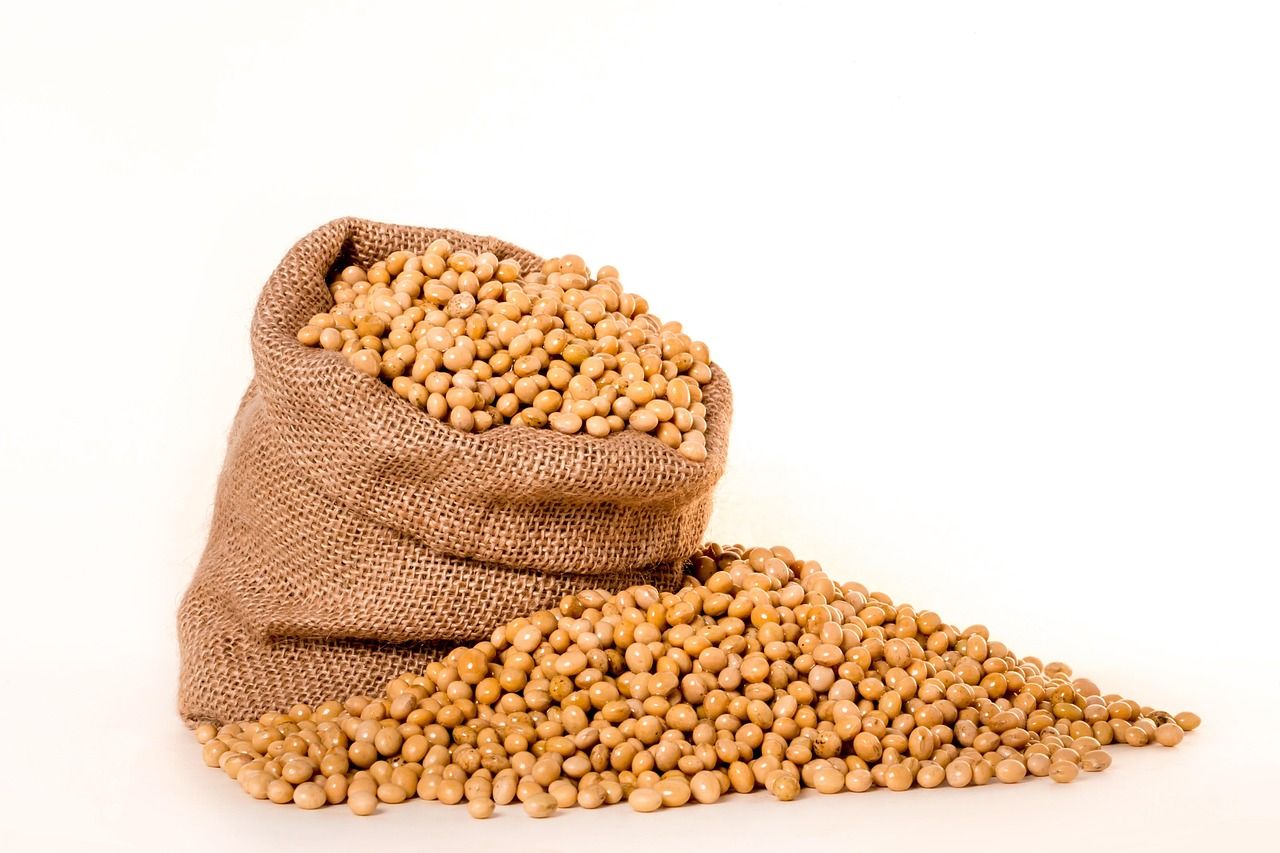
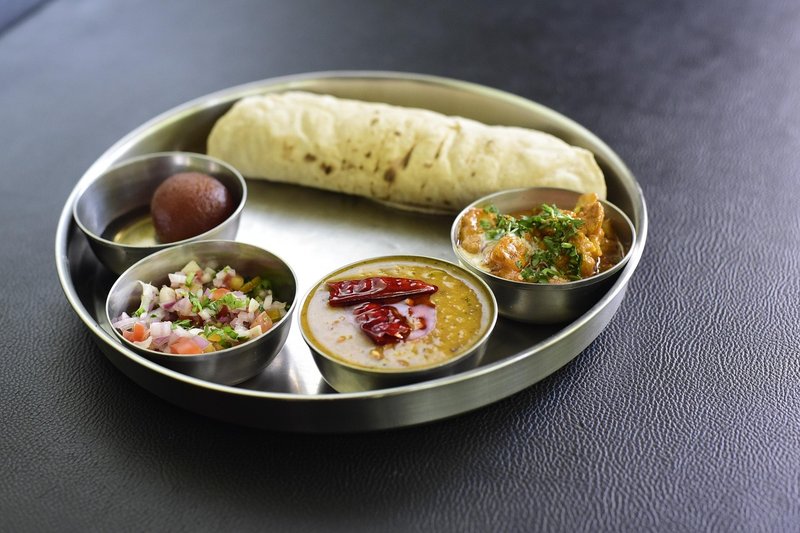
Representative image: pnmralex / Pixabay
Dehradun's Himalayan Food and Seed Festival on 14-15 November 2026 showcased Niti, Spiti and Dzongu foods and launched the THYME brand.
Himalayan Food Festival Dehradun: what happened
The Himalayan Food and Seed Festival in Dehradun brought farmers and cooks from three remote mountain valleys to THAUR-The Doon Haat in Miyawala on Saturday, 14 November and Sunday, 15 November 2026. The Integrated Mountain Initiative, a non-profit, organised the two days under its agro-ecology project with the National Mission on Himalayan Studies, and used the event to launch THYME (Trans-Himalayan Mountain Agro-Ecology), a brand meant to give traditional Himalayan food products their own identity in consumer markets.
Himalayan Food Festival Dehradun: key facts
- Dates and venue: 14-15 November 2026, THAUR-The Doon Haat, Miyawala, Dehradun, Uttarakhand.
- Organiser: the Integrated Mountain Initiative, under an agro-ecology project supported by the National Mission on Himalayan Studies.
- Valleys represented: Niti in Uttarakhand, Spiti in Himachal Pradesh and Dzongu in Sikkim.
- Seed display: the organisers put more than 1,000 varieties of traditional cereals, pulses and vegetable seeds on show.
- Attendance: about 200 participants, including farmers, students and consumers.
- New brand: THYME, short for Trans-Himalayan Mountain Agro-Ecology, launched at the festival.
- Chief guest: N.S. Napalchyal, former chief secretary of Uttarakhand.
Himalayan Food Festival Dehradun: why it matters
Most food news in India is about prices, adulteration raids and packaged-food labels. This festival looked at the other end of the plate: crops and recipes from high valleys that rarely reach city kitchens. The live cooking sessions were led by people from the valleys themselves. Farmers from Niti showed buckwheat dosas, buckwheat laddoos and sattu halwa cooked in local ghee. The Sikkim group from Dzongu cooked red rice, a khichdi made with stinging nettle, and khuri, a preparation of buckwheat flour. The Spiti stall drew visitors with chirul and ghuttu. A masterclass on the Sunday was set aside for the visiting cooks to demonstrate older ways of preparing food.
The seed mela was the other half of the event. Communities from the three valleys exchanged seeds of traditional varieties, and the display of more than a thousand kinds of grains, pulses and vegetables was meant to show how much crop diversity mountain farmers still keep. An eco-craft bazaar sold mountain handicrafts, and expert lectures ran alongside the cooking sessions.
Binita Shah, who runs Thaur Haat and came up with the idea for the festival, said the aim was to conserve the foods and recipes of the Himalayas, especially those of remote areas in Uttarakhand, and that the THYME initiative is meant to help these products reach buyers. Chief guest N.S. Napalchyal argued that wider recognition of Himalayan foods could strengthen local economies and improve nutrition in mountain communities.
For readers who follow heritage food, the festival is a reminder that buckwheat, nettle and red rice are not new health trends but everyday foods in the places they come from. The organisers' stated goal was to reconnect consumers with that food and to build better markets for the farmers who still grow it. Whether a shared brand can do that will depend on what products carry the THYME name and where they are sold, details the reports so far do not set out.
Peepals timeline: The festival was announced ahead of time as a two-day showcase of traditional crops and cuisine for 14-15 November. On day one, Saturday 14 November, the valley groups from Spiti, Niti and Dzongu drew the crowds with their cooking demonstrations and seed stalls. Day two, Sunday 15 November, was set aside for the cooks' masterclass on ancestral techniques. Over the two days the festival also formally launched the THYME brand, and attendance was put at about 200.
| Valley | State | Foods shown at the festival |
|---|---|---|
| Niti | Uttarakhand | Buckwheat dosa, buckwheat laddoo, sattu halwa in local ghee |
| Dzongu | Sikkim | Red rice, stinging nettle khichdi, khuri of buckwheat flour |
| Spiti | Himachal Pradesh | Chirul, ghuttu |
Himalayan Food Festival Dehradun: impact
Short-term: Visitors to the Doon Haat tasted and bought mountain foods and seeds that are hard to find in Dehradun's markets, and the farmers from the three valleys met consumers directly.
Long-term: If the THYME brand develops into a label that buyers recognise, small growers in high valleys could get a steadier route to city customers for crops such as buckwheat and red rice. Seed exchanges of the kind held at the mela help keep traditional varieties in use.
Who is affected: Farming communities in the Niti, Spiti and Dzongu valleys; seed savers; home cooks and nutrition-conscious buyers looking for traditional grains; small food businesses in Uttarakhand.
Himalayan Food Festival Dehradun: key takeaway
Watch for the first products sold under the new THYME brand, which will show whether the festival's push for mountain foods reaches shops beyond Dehradun.
Himalayan Food Festival Dehradun: questions and answers
What is the THYME brand launched in Dehradun?
THYME stands for Trans-Himalayan Mountain Agro-Ecology. It was launched at the Himalayan Food and Seed Festival on 14-15 November 2026 to give traditional Himalayan food products a distinct identity and wider access to consumers.
Which mountain dishes were cooked at the Himalayan Food Festival in Dehradun?
Cooks from Niti made buckwheat dosas, buckwheat laddoos and sattu halwa with local ghee; the Dzongu group from Sikkim made red rice, stinging nettle khichdi and khuri; the Spiti stall served chirul and ghuttu.
Who organised the festival and who funded the work behind it?
The Integrated Mountain Initiative, a non-profit, organised it under an agro-ecology project supported by the National Mission on Himalayan Studies, with THAUR-The Doon Haat as the host venue.
Was the festival only about cooking?
No. It also had a seed mela where the valley communities exchanged traditional seeds, a display of more than 1,000 seed varieties, an eco-craft bazaar of mountain handicrafts, and talks by experts.
Disclaimer: Prepared by the Peepals newsroom from publicly available sources with AI assistance. Information is accurate to the best of our knowledge at the time of publication and may change. Images may be representative. Not professional advice. Report an error via our contact page.
By Ishita Sen, Staff WriterCovers Culture & Heritage and more for Peepals Sanskriti. All stories by Ishita Sen
Your week ahead, every Sunday. Free.
Exam and result dates, IPOs opening, scheme deadlines, government holidays and the RBI decision for the next 7 days, plus the week's top stories. One email a week, unsubscribe in one click.
Ishita Sen is a pen name of the Peepals Global Editorial Team, which researches, fact-checks and publishes every story. The portrait is an illustration.
Responsible for this story: the Peepals Global Editorial Team, led by editor Prashant Sonar. How we report