
Muslim artists from Meerut build Shimla's Jakhu Ravan effigies, as for 20 years
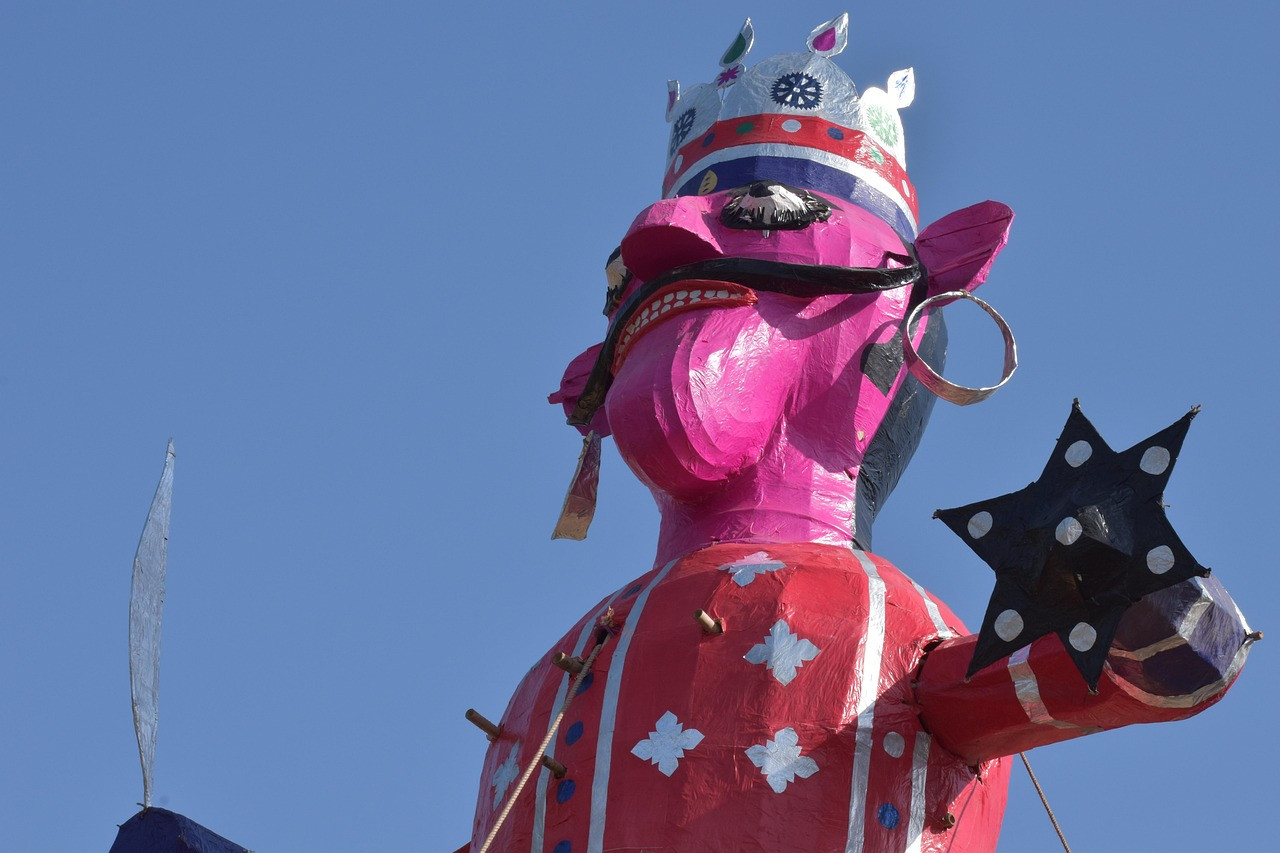
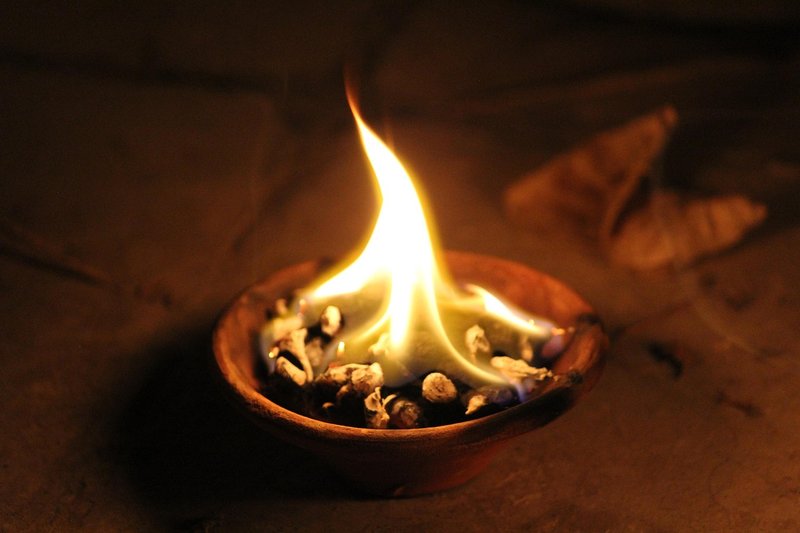
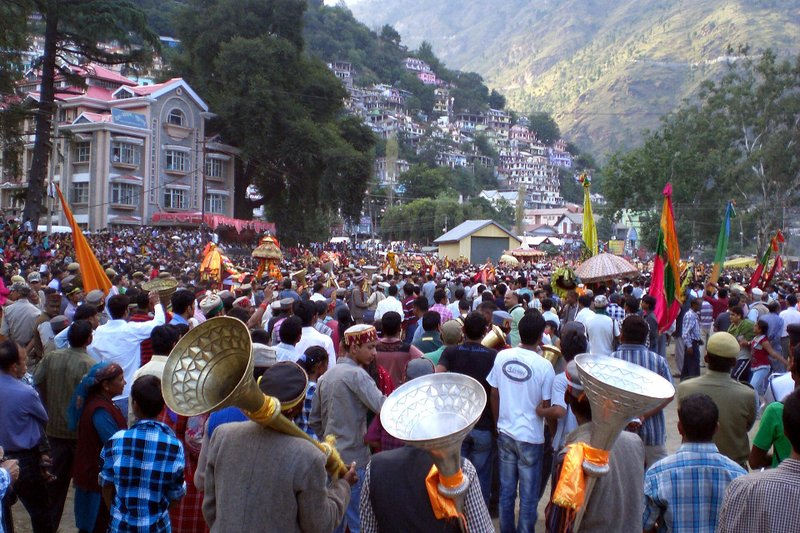
Representative image: MishuHanda / Pixabay
A Muslim artist family from Meerut is making the Ravan, Kumbhkaran and Meghnad effigies at Shimla's Jakhu temple for Dussehra on October 20, 2026.
What Happened
A Muslim family of effigy makers from Meerut in Uttar Pradesh is building the Ravan, Kumbhkaran and Meghnad effigies for the Dussehra celebration at the Jakhu temple in Shimla, a job the family says it has done for about 20 years. The artists described their work and their reception in Himachal Pradesh in interviews published on October 16 and 17, 2026. The effigies are due to be burned on Dussehra, Tuesday, October 20, 2026, when Himachal Pradesh Chief Minister Sukhvinder Singh Sukhu is expected to attend the event at Jakhu.
Key Facts
- Who: a family of Muslim artists from Meerut, now in its third generation of effigy making; artist Mohammad Sohil spoke for the team.
- What: the three traditional Dussehra effigies of Ravan and his brothers Kumbhkaran and Meghnad, for the Jakhu temple celebration in Shimla.
- How long: Sohil said his family has worked at Jakhu for about 20 years, carrying on a craft that its elders have practised for nearly 70 years.
- The team: between 20 and 22 people. At the time of the interviews they had spent three days at Jakhu and expected to finish in two more.
- Changes this year: artist Abdul Azim said the team is using fewer firecrackers inside the effigies to cut pollution, and has changed the effigies' costumes.
- Stay: the artists live and eat at the temple while they work; Sohil said the temple committee invited them and provides food and lodging.
- When: the effigies will be burned on Dussehra, October 20, 2026.
Why It Matters
Dussehra, or Vijayadashami, marks the victory of Lord Ram over Ravan as told in the Ramayana, and the burning of Ravan's effigy, often flanked by those of Kumbhkaran and Meghnad, is the evening ritual most Indians associate with the day. Behind almost every Ramlila ground and temple celebration stands a small group of craftspeople who build these figures by hand from bamboo, paper, cloth and paste, and pack them with firecrackers so they burst into flame at the end. It is seasonal, skilled work, and it is often passed down within families.
The Jakhu story shows how that craft ties communities together. The family that builds Shimla's Ravan is Muslim, travels from Meerut, and has returned to the same temple for two decades. Sohil said they have never faced any trouble in Shimla and that people treat them with love and respect. He also said that attempts to divide people as Hindu or Muslim are wrong, and that brotherhood should be maintained. For the temple committee, which hosts the artists inside the temple premises, the arrangement is simply how the festival has been prepared for years.
The family's choice to use fewer firecrackers is also worth noting. Pollution from Dussehra and Diwali fireworks is a recurring concern in Indian cities each autumn, and effigy makers are among those who decide how much explosive goes into a celebration. A smaller charge means less smoke over the town while keeping the central act of the ritual, the fall of Ravan, in place.
| Detail | Jakhu temple, Shimla |
|---|---|
| Effigies | Ravan, Kumbhkaran, Meghnad |
| Makers | Muslim artist family from Meerut, Uttar Pradesh |
| Team size | 20 to 22 people |
| Years at Jakhu | About 20; family craft nearly 70 years old |
| Effigy burning | Dussehra, October 20, 2026 |
Impact
Short-term: Shimla residents and visitors who gather at Jakhu on October 20 will see this year's effigies, built with a reduced firecracker load and new costumes. The team was working to finish in time, with some members away making effigies for other towns and final touches planned just before the festival.
Long-term: Families like this one keep a hand craft alive that has no formal school or training system. Whether younger members continue the work depends on steady seasonal orders from temples and Ramlila committees. Their example also offers a lived model of a shared festival culture at a time when religious lines are often drawn sharply in public debate.
Who is affected: the Meerut artist family and their team; the Jakhu temple committee and Shimla's Dussehra organisers; residents and tourists who attend the celebration; and other temple and Ramlila committees that depend on travelling effigy makers each autumn.
Key Takeaway
At Shimla's Jakhu temple, a Muslim family from Meerut is again building the Ravan, Kumbhkaran and Meghnad effigies for Dussehra on October 20, 2026, with fewer firecrackers this year, continuing a role it has held for about two decades.
Questions and Answers
Who makes the Ravan effigy for the Jakhu temple Dussehra in Shimla?
A Muslim family of artists from Meerut, Uttar Pradesh, makes the Ravan, Kumbhkaran and Meghnad effigies for the Jakhu temple celebration. The family says it has done this for about 20 years, and its effigy-making tradition goes back nearly 70 years.
When will the effigies be burned in Shimla in 2026?
The effigies will be burned on Dussehra, Tuesday, October 20, 2026. Himachal Pradesh Chief Minister Sukhvinder Singh Sukhu is expected to attend the event at Jakhu.
What is different about the effigies this year?
Artist Abdul Azim said the team is putting fewer firecrackers into the effigies this year to reduce pollution, and has also changed the clothing on the figures.
How do the artists say they are treated in Shimla?
Artist Mohammad Sohil said the family has never faced any problems and is treated with love and respect. The temple committee invites the team and gives them food and a place to stay at the temple while they work.
Disclaimer: Prepared by the Peepals newsroom from publicly available sources with AI assistance. Information is accurate to the best of our knowledge at the time of publication and may change. Images may be representative. Not professional advice. Report an error via our contact page.
Sourced and fact-checked by the Peepals Global Editorial Team
Reported, fact-checked and published by the Peepals Global Editorial Team.