Bastar Dussehra: Phool Rath rolls in Jagdalpur; President to attend Muria Darbar
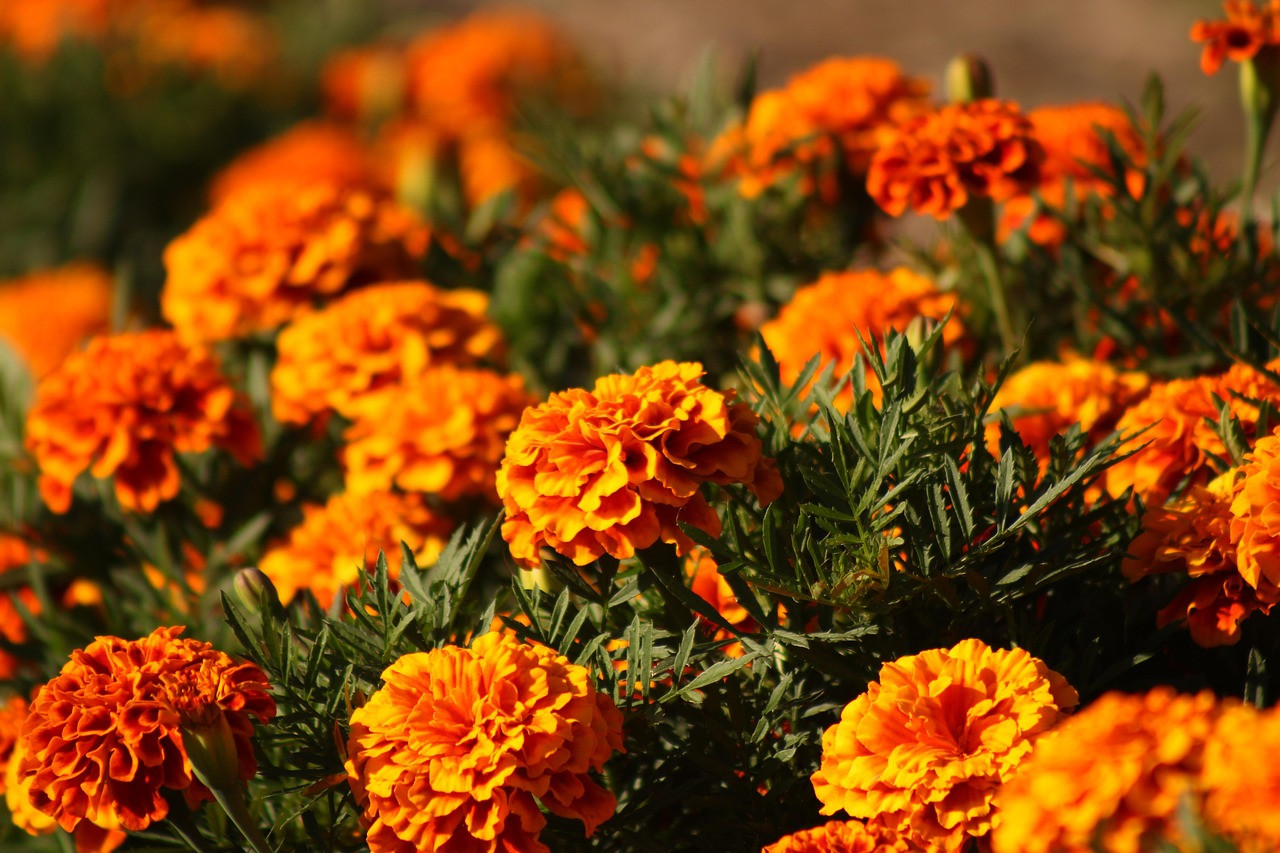
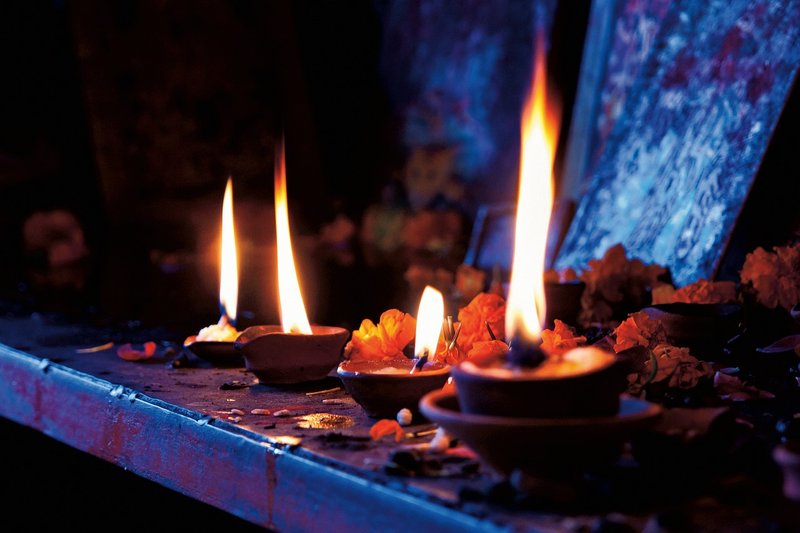
Representative image: SophiaMartin / Pixabay
Bastar Dussehra's Phool Rath began its rounds in Jagdalpur on October 13, 2026; President Droupadi Murmu will attend the festival's Muria Darbar on October 23.
What Happened
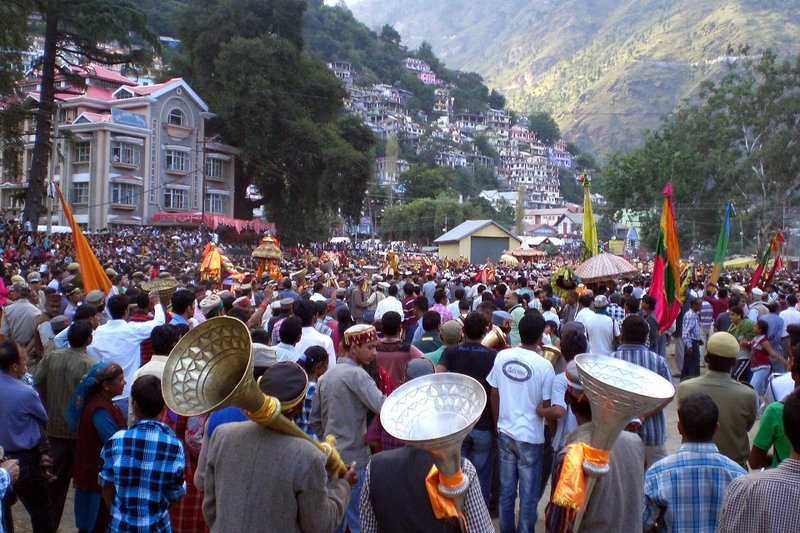
The chariot processions of Bastar Dussehra, the 75-day festival of Chhattisgarh's Bastar region, are under way in Jagdalpur, and President Droupadi Murmu is due to attend the festival's Muria Darbar on October 23, 2026. The Phool Rath, a giant chariot decorated with flowers, began its rounds on the evening of Tuesday, October 13, carrying the chhatra (ceremonial umbrella) of Danteshwari Devi, the presiding goddess of Bastar, through the town from Sirasar Bhawan via Gol Bazar to the Danteshwari temple, according to regional reports. The procession is set to continue for about five days. Unlike Dussehra in most of India, no effigy of Ravan is burnt in Bastar. Reports describe the chariot tradition as about 600 years old. The President, invited by Chief Minister Vishnu Deo Sai and Bastar MP Mahesh Kashyap, who chairs the Dussehra committee, will visit Chhattisgarh on October 22 and 23.
Key Facts
- Bastar Dussehra runs for about 75 days; the 2026 festival began on August 12 with the Pat Jatra ritual, according to the official tourism listing.
- The Phool Rath procession began on October 13, 2026, and is planned to run for about five days in Jagdalpur.
- The chariot carries the chhatra of Danteshwari Devi from Sirasar Bhawan through Gol Bazar to the Danteshwari temple.
- No Ravan effigy is burnt at Bastar Dussehra.
- This year's chariot, about 30 feet high, was to be built in 15 days, a regional report said.
- President Droupadi Murmu is to attend the Muria Darbar in Jagdalpur on October 23, meet members of the Manjhi-Chalki community and address a gathering at Lalbagh Maidan.
- The official tourism listing gives October 18 to 22 as the main phase, with Bhitar Raini on October 20.
Why It Matters
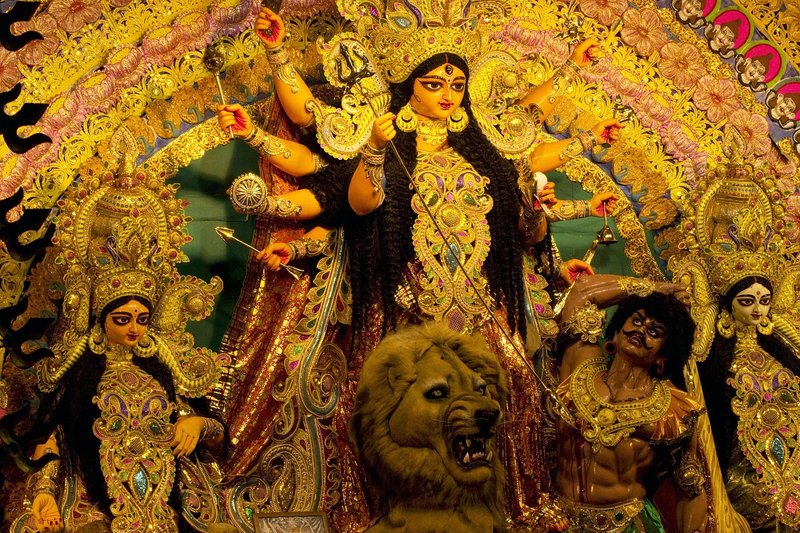
Bastar Dussehra is one of the most unusual forms of the festival in India. Elsewhere, Dussehra marks Ram's victory over Ravan. In Bastar it is centred on the goddess Danteshwari, and village leaders and local communities have a place in its rituals. The festival is spread over about two and a half months and is made up of a chain of rites, each with its own place in the calendar.
Several of these rites are described in the official tourism listing. In the Kachhin Gadi ritual, a girl from the Mirgan community, representing the goddess, sits on the Kachhin Gadi, described in one account as a swing of thorns, and is understood to give permission for the festival and the chariot's movement. At Jogi Bithai, held at the start of Navratri at Sirasar Bhawan, a jogi sits in a yogic posture for nine days as a rite of penance. The chariot is pulled through the streets by devotees, described in accounts of the festival as hundreds of tribal people.
The Muria Darbar is the part of the festival that links tradition with public life. It is a traditional assembly in which village leaders bring local concerns before the authorities, a role once played by the ruler. The President's presence there this year gives the assembly national attention. The President will also hold a special interaction with the Manjhi-Chalki, the traditional village representatives, before addressing the public.
| Date (2026) | Event |
|---|---|
| August 12 | Pat Jatra, start of the festival |
| October 13 | Phool Rath procession begins in Jagdalpur |
| October 18 to 22 | Main phase of the festival, per the tourism listing |
| October 20 | Bhitar Raini |
| October 23 | Muria Darbar with President Droupadi Murmu |
Impact
Short-term: Jagdalpur is preparing for large crowds and a presidential visit. The district collector and superintendent of police have inspected the Lalbagh Maidan venue, covering the stage, security, separate routes for dignitaries and the public, drinking water, medical help and parking.
Long-term: National attention can bring more visitors to Bastar and more interest in recording and protecting its rituals, while raising the question of how to keep a community-run festival in the hands of the communities who carry it.
Who is affected: Devotees and tribal communities of Bastar, village headmen who take part in the Muria Darbar, residents and traders of Jagdalpur, and visitors coming for the festival.
Key Takeaway
Bastar Dussehra's Phool Rath is rolling through Jagdalpur, and the 75-day goddess festival will host President Droupadi Murmu at its Muria Darbar on October 23.
Questions and Answers
What is Bastar Dussehra?
It is a festival of about 75 days in Chhattisgarh's Bastar region, centred on the goddess Danteshwari rather than on Ram's victory over Ravan. Its chariot processions and the Muria Darbar assembly are its best-known events, and no Ravan effigy is burnt.
When did the Bastar Dussehra chariot procession start in 2026?
The Phool Rath procession began on the evening of October 13, 2026, in Jagdalpur and was set to run for about five days, carrying the goddess Danteshwari's chhatra to her temple.
When will President Murmu attend Bastar Dussehra?
President Droupadi Murmu is scheduled to attend the Muria Darbar in Jagdalpur on October 23, 2026, as part of a two-day visit to Chhattisgarh on October 22 and 23.
What is the Muria Darbar?
It is a traditional assembly held during Bastar Dussehra at which village leaders raise local concerns before the authorities, a role once played by the ruler.
Disclaimer: Prepared by the Peepals newsroom from publicly available sources with AI assistance. Information is accurate to the best of our knowledge at the time of publication and may change. Images may be representative. Not professional advice. Report an error via our contact page.
Sourced and fact-checked by the Peepals Global Editorial Team
Intensive breathwork cut brain blood flow by about 45% in small study, researchers say
AIIA treated 37.74 lakh patients in 10 years; yearly visits up from 1.23 to 5.4 lakh
Reported, fact-checked and published by the Peepals Global Editorial Team.