Jaishankar opens show of 9th-century healing manuscripts, from Charaka to Bali
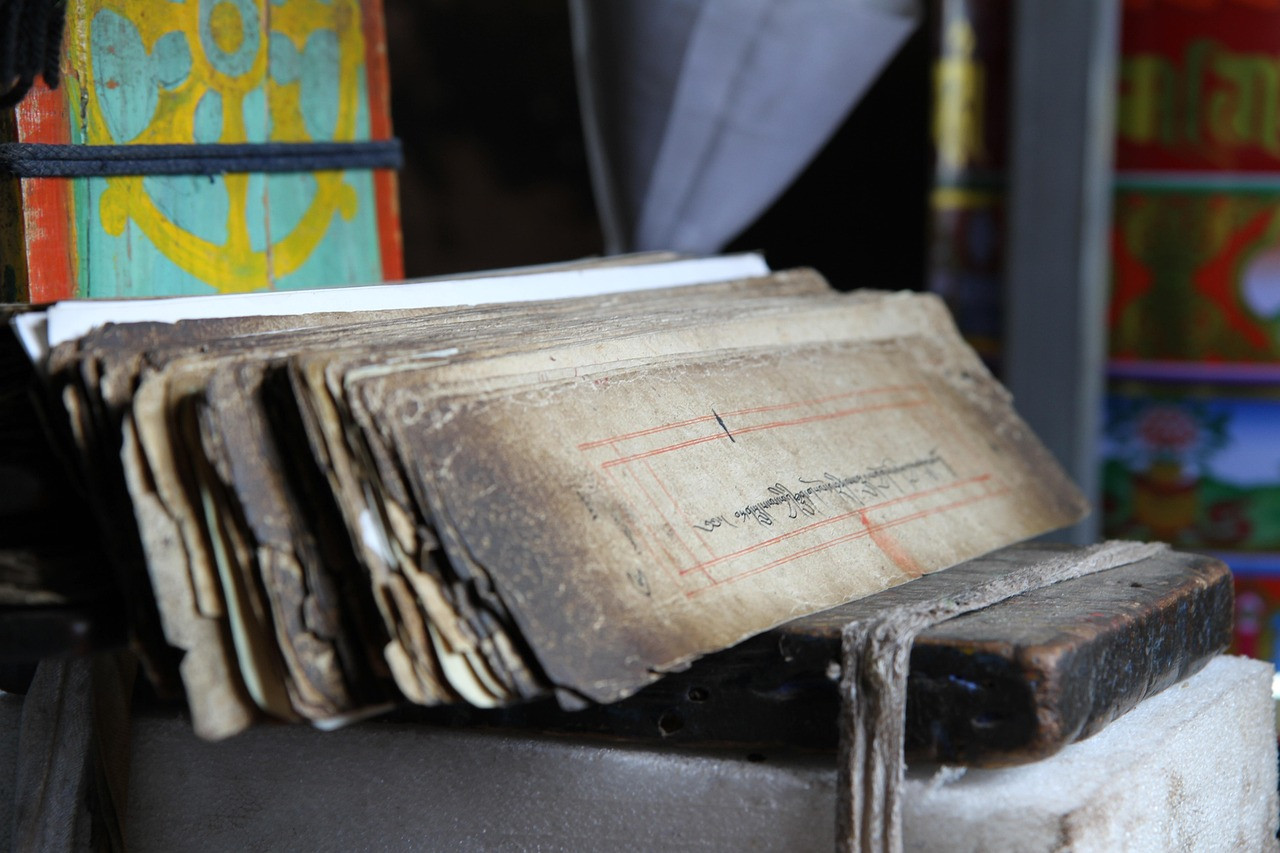
Representative image: jarryyi / Pixabay
S. Jaishankar opened SAMHiTA's Nirāmayatā exhibition of South Asian healing manuscripts, some from the 9th century CE, in New Delhi on October 12, 2026.
What Happened
External Affairs Minister S. Jaishankar opened an exhibition of South Asian healing manuscripts, some dating back to the 9th century CE, at the India International Centre in New Delhi on Monday, October 12, 2026. Titled Nirāmayatā: Healing and Wellbeing in South Asian Texts and Practices, the show is organised by SAMHiTA (South Asian Manuscript Histories and Textual Archives) and is the fourth in its annual series of exhibitions. Jaishankar said preserving manuscripts is an investment in India's intellectual resources rather than an exercise in nostalgia, and that artificial intelligence can help restore them and make them easier to use.
Key Facts
- Exhibition: Nirāmayatā: Healing and Wellbeing in South Asian Texts and Practices.
- Opened by: External Affairs Minister S. Jaishankar, on October 12, 2026, at the India International Centre, New Delhi.
- Organiser: SAMHiTA, an initiative building a database and digital archive of South Asian manuscripts held in libraries and archives outside India.
- Series: the fourth in SAMHiTA's annual exhibition series.
- Contents: healing manuscripts from as early as the 9th century CE, including the treatment frameworks of Charaka and Sushruta, the use of music and aromatics in healing, a reproduction of a Persian anatomy text, and Balinese usada healing manuscripts.
- Jaishankar's message: manuscript preservation is an investment, not nostalgia; AI can help in restoration and access.
Why It Matters
Many of the most important texts of Indian knowledge, on medicine, mathematics, astronomy and philosophy, survive only as handwritten manuscripts, and a large number sit in collections abroad. SAMHiTA's work focuses on exactly those: it is building a relational database and digital archive of South Asian manuscripts held outside India, so that scholars and the public can find out what exists and where. Exhibitions like this one bring that hidden material into view.
The theme of healing links the exhibition to living traditions. Charaka and Sushruta, whose ideas appear in the show, are the foundational names of Ayurveda, and their frameworks still shape how Ayurvedic practitioners describe treatment. By placing those texts next to a Persian anatomy work and healing manuscripts from Bali, the exhibition shows how ideas about health travelled and mixed across Asia, rather than presenting Indian medicine in isolation.
Jaishankar framed the show as more than a medical display. He said it is a study of how societies understood the relationship between the individual, society and nature, and he linked it to India's wider effort to preserve and digitise its knowledge heritage. His remark that civilisations preserve their distinctiveness by engaging with others, rather than by shutting themselves off, fits the exhibition's cross-cultural design.
| Item | Detail |
|---|---|
| Exhibition | Nirāmayatā: Healing and Wellbeing in South Asian Texts and Practices |
| Venue | India International Centre, New Delhi |
| Opened | October 12, 2026 |
| Organiser | SAMHiTA |
| Oldest material | Manuscripts from the 9th century CE |
The use of AI in manuscript work is a growing field. Old manuscripts are often fragile, damaged and written in scripts few people can read today. AI tools can help clean up images, read difficult scripts and make large collections searchable, which speeds up the work of scholars.
Impact
Short-term: Visitors in Delhi can see rare healing texts and reproductions that are rarely shown in public, and students of Ayurveda, history and Sanskrit gain a chance to study them closely.
Long-term: Projects like SAMHiTA's archive, combined with India's own manuscript missions, can make the country's knowledge heritage searchable and usable for research in medicine, history and the sciences, wherever the originals are kept.
Who is affected: Scholars of Indian knowledge systems, Ayurveda and South Asian history; libraries and archives that hold manuscripts; students; and the general public interested in India's intellectual traditions.
Key Takeaway
S. Jaishankar opened SAMHiTA's Nirāmayatā exhibition of South Asian healing manuscripts, some from the 9th century CE, in New Delhi on October 12, 2026, calling manuscript preservation an investment in India's intellectual resources.
Questions and Answers
What is the Nirāmayatā exhibition?
It is an exhibition on healing and wellbeing in South Asian texts and practices, organised by SAMHiTA and opened by S. Jaishankar at the India International Centre, New Delhi, on October 12, 2026. It shows healing manuscripts dating back to the 9th century CE.
What is SAMHiTA?
SAMHiTA, or South Asian Manuscript Histories and Textual Archives, is an initiative building a relational database and digital archive of Indian and South Asian manuscripts held in libraries and archives outside India.
What does the exhibition include?
It includes texts on the treatment frameworks of Charaka and Sushruta, the use of music and aromatics in healing, a reproduction of a Persian anatomy text, and Balinese usada healing manuscripts.
What did Jaishankar say about manuscripts?
He said preserving manuscripts is an investment in India's intellectual resources, not nostalgia, and that artificial intelligence can help restore manuscripts and improve access to them.
Disclaimer: Prepared by the Peepals newsroom from publicly available sources with AI assistance. Information is accurate to the best of our knowledge at the time of publication and may change. Images may be representative. Not professional advice. Report an error via our contact page.
Sourced and fact-checked by the Peepals Global Editorial Team
Dussehra 2026 on October 20: Ravan Dahan time, and why Bengal, Kerala mark it a day later
Sharad Purnima 2026 on October 25: tithi, moonrise and the kheer tradition
Reported, fact-checked and published by the Peepals Global Editorial Team.