
Vijayawada's Kanaka Durga temple opens Dasara with free darshan in all regular queues
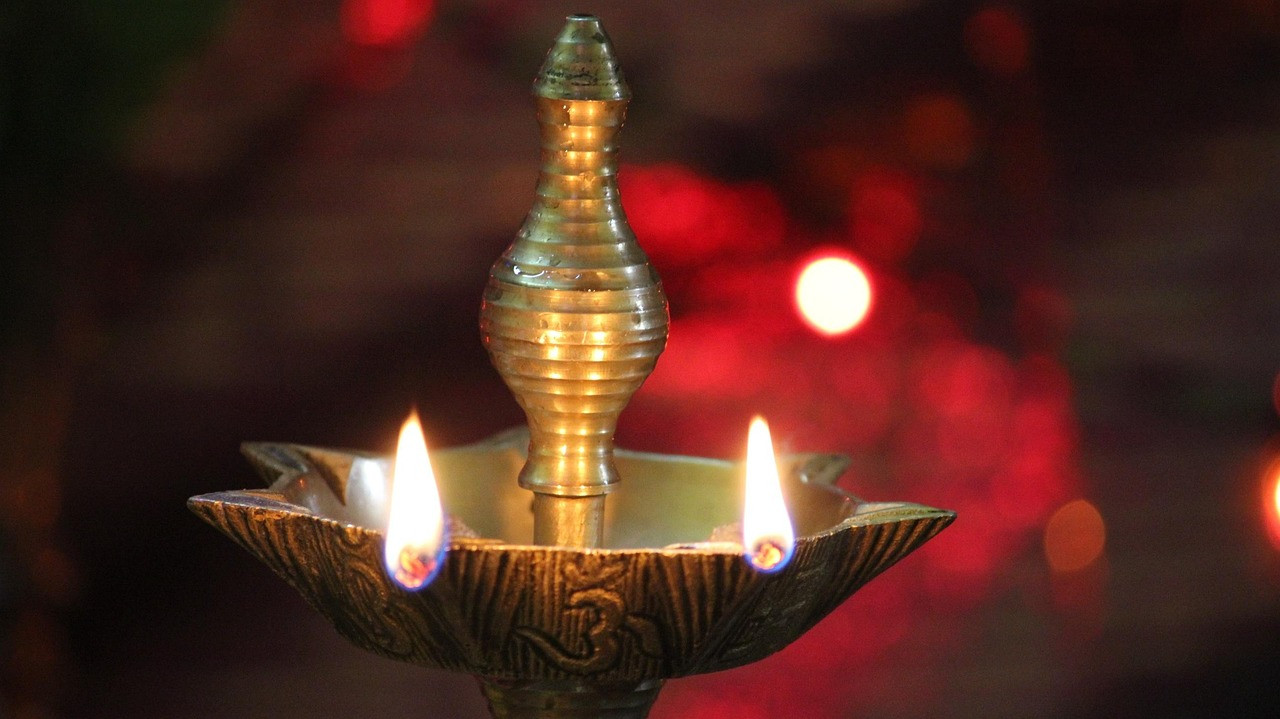
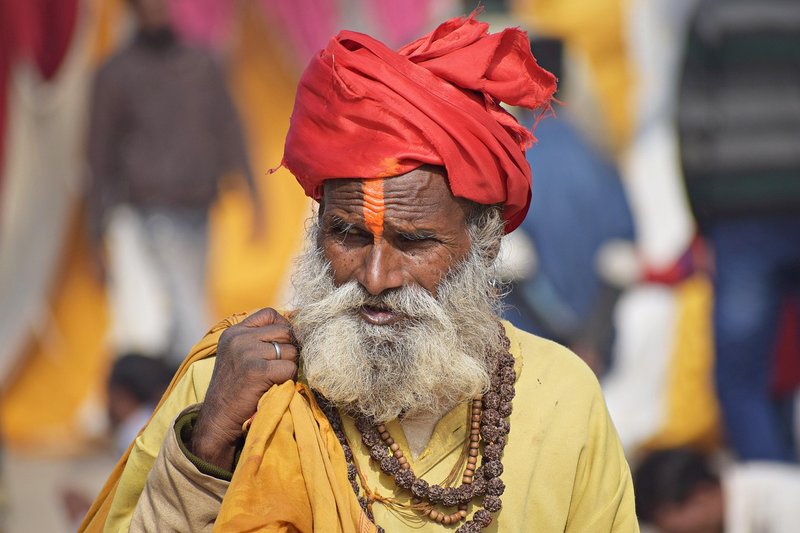
Representative image: gounder / Pixabay
Indrakeeladri's 10-day Dasara opened on October 11, 2026; Rs 100-500 darshan tickets are scrapped, and no tickets will be sold on Moola Nakshatram or Vijayadashami.
What Happened
The ten-day Dasara Sarannavaratri festival began on Sunday, October 11, 2026, at the Sri Durga Malleswara Swamy Varla Devasthanam on Indrakeeladri hill in Vijayawada, Andhra Pradesh. It runs until Tuesday, October 20. On the opening day Goddess Kanaka Durga appears to devotees as Sri Bala Tripura Sundari Devi, the first of the forms she takes over the festival. This year the temple has done away with its Rs 100, Rs 300 and Rs 500 darshan tickets for the festival period, so every regular queue line is free. A paid Rs 1,000 special darshan stays in place.
Key Facts
- Dates: Sunday, October 11 to Tuesday, October 20, 2026, at the hilltop Kanaka Durga temple overlooking the Krishna river in Vijayawada.
- Day one form: Sri Bala Tripura Sundari Devi.
- Tickets: the Rs 100, Rs 300 and Rs 500 darshan tickets are scrapped during the festival, and all general queue lines are free. Temple Executive Officer V.K. Seena Naik said ordinary devotees would get priority.
- A special Rs 1,000 darshan ticket continues. Reports say it is tied to set time windows in the day.
- Moola Nakshatram falls on Friday, October 16. That day the goddess is dressed as Sri Saraswati Devi, and Chief Minister N. Chandrababu Naidu is expected to present silk robes on behalf of the state government.
- No tickets of any kind will be sold on Moola Nakshatram or Vijayadashami, the two days expected to draw the biggest crowds.
- Three holding centres near the hill can take about 18,000 devotees in 70 compartments. Annadanam (free meals) is planned for 10,000 to 15,000 or more people a day.
- The festival ends on Vijayadashami with the Hamsa Vahana Teppotsavam, a float procession on the Krishna river.
Why It Matters
Indrakeeladri is one of the busiest Devi shrines in South India during Navaratri. The Telugu name for the festival, Sarannavaratri, means the nine nights of autumn, and in Vijayawada each night is linked to a different alankaram, or sacred dressing, of the goddess. Devotees often plan their visit around a particular form. Moola Nakshatram is a favourite because Saraswati is the goddess of learning, so families with school and college students tend to come that day.
Scrapping the cheaper paid tickets is a real change for the pilgrim. A tiered system lets those who pay reach the sanctum by a separate line. Making every regular line free means a family travelling from a village waits in the same queue as a city visitor who would once have bought a Rs 300 ticket. The temple has kept one paid option, which shows it still wants to manage numbers in a controlled way. The EO's stated aim is to put ordinary devotees first.
The state's role also stands out. The government presents silk robes to the goddess on Moola Nakshatram, so the Chief Minister's visit adds a large security operation to a day that already draws heavy crowds. The temple has responded by banning all ticket sales on that day and on Vijayadashami, so that everyone moves through the same lines.
| Day | Date | Highlight |
|---|---|---|
| Day 1 | Sunday, October 11 | Bala Tripura Sundari Devi alankaram; festival opens |
| Moola Nakshatram | Friday, October 16 | Saraswati Devi alankaram; state silk robes; no tickets |
| Vijayadashami | Tuesday, October 20 | Hamsa Vahana Teppotsavam on the Krishna; no tickets |
Impact
Short-term: Expect long, slow-moving free queues, especially on October 16 and October 20. Pilgrims should allow several hours, use the holding centres, and keep children and older family members hydrated. Traffic near the hill and the Krishna riverfront is likely to be heavy.
Long-term: If the free-queue model works smoothly, it could become the template for future festivals at Indrakeeladri and push other large temples to rethink tiered ticket pricing.
Who is affected: Devotees from Andhra Pradesh, Telangana and beyond, local traders and transport operators around Vijayawada, temple staff and volunteers, and police managing crowds.
Key Takeaway
Vijayawada's Kanaka Durga temple opened its 2026 Dasara on October 11 with free darshan in every regular queue, keeping only a Rs 1,000 special ticket and banning all sales on the two peak days.
Questions and Answers
When is Dasara 2026 at the Vijayawada Kanaka Durga temple?
The festival runs from Sunday, October 11 to Tuesday, October 20, 2026, at the temple on Indrakeeladri hill, ending on Vijayadashami with a float festival on the Krishna river.
Do I need a ticket for darshan during Dasara at Indrakeeladri?
No. The Rs 100, Rs 300 and Rs 500 tickets have been scrapped for the festival and all regular queue lines are free. A paid Rs 1,000 special darshan is available, except on Moola Nakshatram and Vijayadashami, when no tickets are sold.
Which is the busiest day to visit?
Moola Nakshatram, on Friday, October 16, when the goddess appears as Saraswati Devi and the Chief Minister presents silk robes, and Vijayadashami on October 20 are expected to see the largest crowds.
What form does the goddess take on the first day?
On October 11 Kanaka Durga is dressed as Sri Bala Tripura Sundari Devi, the youthful form of the goddess that opens the series of daily alankarams.
Disclaimer: Prepared by the Peepals newsroom from publicly available sources with AI assistance. Information is accurate to the best of our knowledge at the time of publication and may change. Images may be representative. Not professional advice. Report an error via our contact page.
Sourced and fact-checked by the Peepals Global Editorial Team
11 October...Navratri Begins
Gujarat's garba season opens with 22,000 events; Ahmedabad posts 14,000 police
Reported, fact-checked and published by the Peepals Global Editorial Team.