
11 October...Navratri Begins
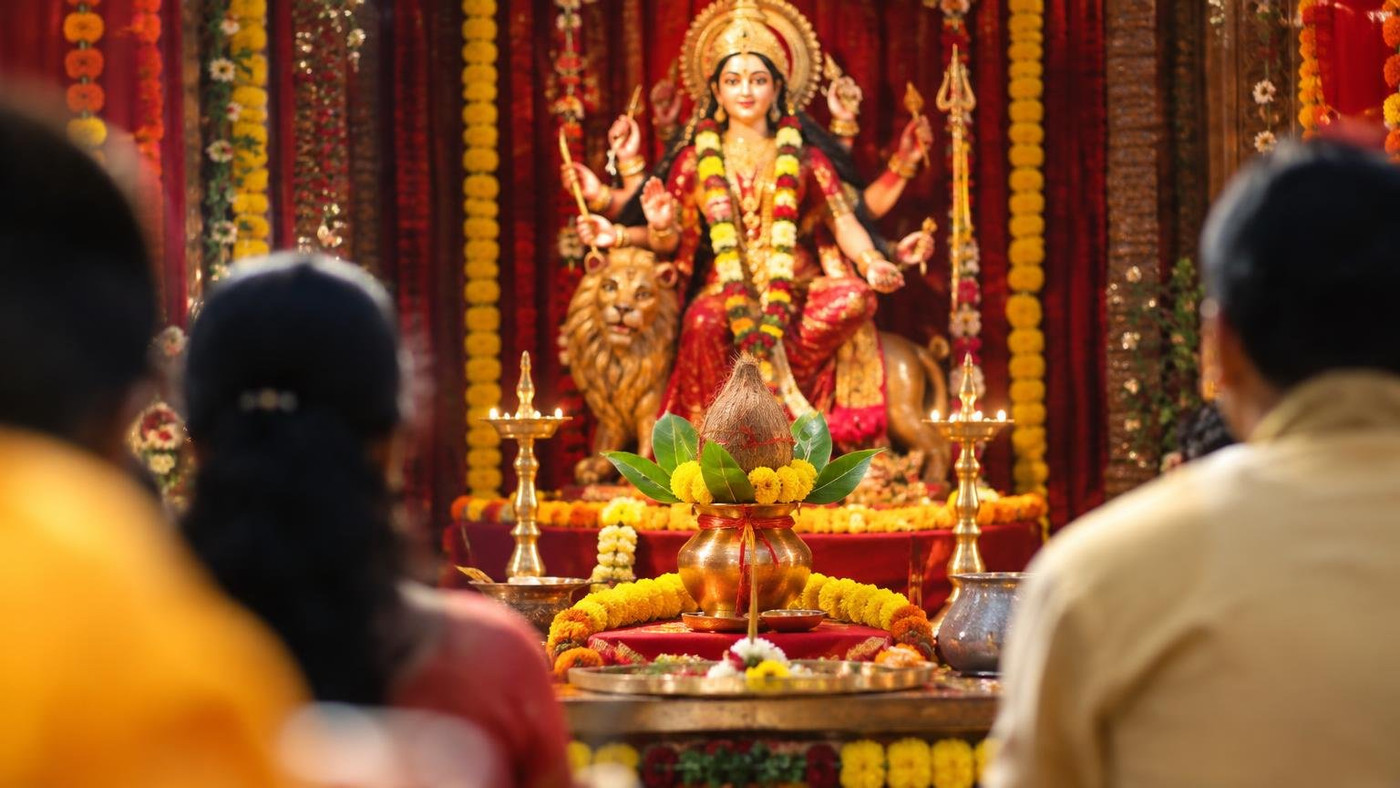
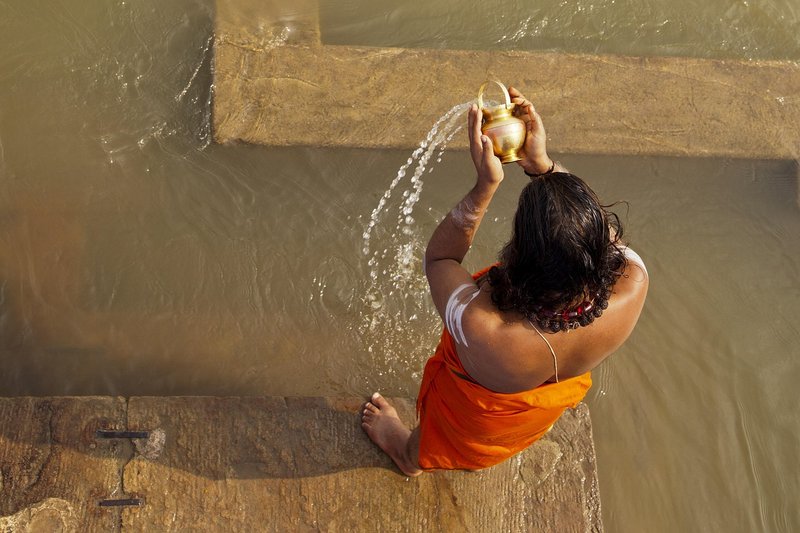
AI-generated representative image
Sharad Navratri 2026 starts on Sunday, 11 October with Ghatasthapana and ends with Vijayadashami on 20 October, opening nine nights of Goddess Durga worship.
What Happened
Sharad Navratri 2026 begins on Sunday, 11 October 2026 with Ghatasthapana, also called Kalash Sthapana. Devotees across India will install the sacred kalash at home and in temples that morning. The nine nights of Goddess Durga worship end with Vijayadashami, also known as Dussehra, on Tuesday, 20 October 2026. The festival falls in the bright fortnight of the Hindu month of Ashwin.
Key Facts
- Sharad (Shardiya) Navratri 2026 begins on Sunday, 11 October 2026 with Ghatasthapana, the opening ritual, and concludes with Vijayadashami on Tuesday, 20 October 2026.
- Panchang listings for New Delhi give the main Ghatasthapana muhurat, or auspicious window, as 6:19 am to 10:12 am on 11 October. Some calendars give 6:22 am to 10:18 am.
- The alternative Abhijit Muhurat is listed from about 11:44 am to 12:31 pm on 11 October. One listing gives a Mumbai Ghatasthapana window of 6:31 am to 10:27 am.
- Panchang listings say Ashwin Shukla Pratipada begins at about 9:19 pm on 10 October and ends at about 9:30 pm on 11 October, so the kalash is installed on 11 October.
- The kalash is a copper or earthen pot filled with water, coins and supari. Five mango leaves sit on the rim, and a coconut wrapped in red cloth goes on top.
- Each day honours one form of the goddess, together called Navadurga: Shailputri on 11 October, Brahmacharini on 12 October, Chandraghanta on 13 October, Kushmanda on 14 October, Skandamata on 15 October and Katyayani on 16 October.
- The five-day Bengali Durga Puja begins with Maha Shashthi on Friday, 16 October 2026, with Bilva Nimantran and the unveiling of idols. It ends on Vijayadashami with idol immersion and Sindoor Khela.
- Vasanta Navratri this year ran from 19 March to 27 March. Sharad Navratri leads towards Kali Puja and Lakshmi Puja on 8 November 2026.
Why It Matters
Navratri is among the most widely observed Hindu festivals. It marks the worship of Shakti, the divine feminine energy, through nine nights dedicated to the forms of Goddess Durga. Sharad Navratri is considered the most important of the year's Navratris.
The festival also sits at a meaningful point in the religious calendar. One festival guide notes that it comes right after Pitru Paksha ends. Families first honour their ancestors and then turn to worship of the Divine Mother, linking remembrance of lineage with devotion to Shakti.
The date follows the lunar calendar. A lunar year is shorter than a solar year by about eleven days, so Hindu festivals fall on different Gregorian dates each year. Pratipada holds through the morning of 11 October, which is why the kalash is installed that day.
Practice varies across India. In West Bengal and eastern India, the festival merges with Durga Puja, and pandals rise across Kolkata. In western India it is tied to Garba and Dandiya evenings. In northern India many families fast for nine days on sattvic foods, and Ramlila builds towards Dussehra.
Regional names and customs such as Bathukamma, Golu, Sanjhi and Garbotsav show the variety under one festival. Dussehra on 20 October is said to celebrate the victory of good over evil, recalling Durga's victory over Mahishasura or Lord Rama's victory over Ravana.
Impact
Short-term: Families will prepare puja items before the morning muhurat on 11 October: mango leaves, a kalash, coconut, red cloth and barley seeds. Those who miss the main window can use the Abhijit Muhurat around midday. Temples and community organisers across India are arranging aarti, Garba events and Ramlila schedules for the nine days. Listings differ on the later days: some place Durga Ashtami on 18 October and Maha Navami on 19 October, while another notes both on 19 October. Devotees planning Kanya Puja, Sandhi Puja or havan are advised to confirm timings with a local priest or temple.
Long-term: Sharad Navratri opens the festival season in the Hindu calendar. After Dussehra on 20 October, Kali Puja and Lakshmi Puja follow on 8 November 2026. The festival shows how the lunar calendar organises family and community life through the year, with dates shifting on the Gregorian calendar every year. Its pairing with Pitru Paksha reflects a continuing link between honouring ancestors and worshipping the divine feminine. Regional traditions, from Durga Puja to Garba and Ramlila, continue to live side by side under the same festival.
Who is affected: Devotees across India are affected, especially households installing the kalash at home and temples hosting the ritual. In West Bengal and eastern India, Durga Puja organisers and pandal visitors take part from 16 October. In northern India, families observing nine-day fasts and Ramlila performers prepare for Dussehra. Timings vary by city, so local panchangs and temple priests are the most reliable guide. Some devotees may also consult a priest because Chitra nakshatra and Vaidhriti yoga span the first morning.
Key Takeaway
Sharad Navratri 2026 runs from Ghatasthapana on 11 October to Vijayadashami on 20 October, with the New Delhi muhurat at 6:19 am to 10:12 am and local timings varying by city.
Questions and Answers
When does Navratri 2026 begin and end?
Sharad Navratri 2026 begins on Sunday, 11 October 2026 with Ghatasthapana. It ends with Vijayadashami, also called Dussehra, on Tuesday, 20 October 2026.
What is the Ghatasthapana muhurat for Navratri 2026?
Panchang listings for New Delhi give the main muhurat as 6:19 am to 10:12 am on 11 October. The Abhijit Muhurat is about 11:44 am to 12:31 pm. Timings vary by city.
What is Ghatasthapana?
Ghatasthapana, also called Kalash Sthapana, is the opening ritual of Navratri. Families install a kalash, a pot of water, coins and supari with mango leaves and a coconut, and sow barley seeds on the first day.
When does Durga Puja 2026 begin in Bengal?
The five-day Bengali Durga Puja begins with Maha Shashthi on Friday, 16 October 2026, with Bilva Nimantran and the unveiling of idols. It ends on Vijayadashami with idol immersion and Sindoor Khela.
Disclaimer: Prepared by the Peepals newsroom from publicly available sources with AI assistance. Information is accurate to the best of our knowledge at the time of publication and may change. Images may be representative. Not professional advice. Report an error via our contact page.
Reviewed & Edited by Prashant Sonar
Reviewed & Edited by Prashant Sonar. Published by the Peepals Global Editorial Team.