
Yoga before obesity surgery linked to lower stress hormone in small Italian study

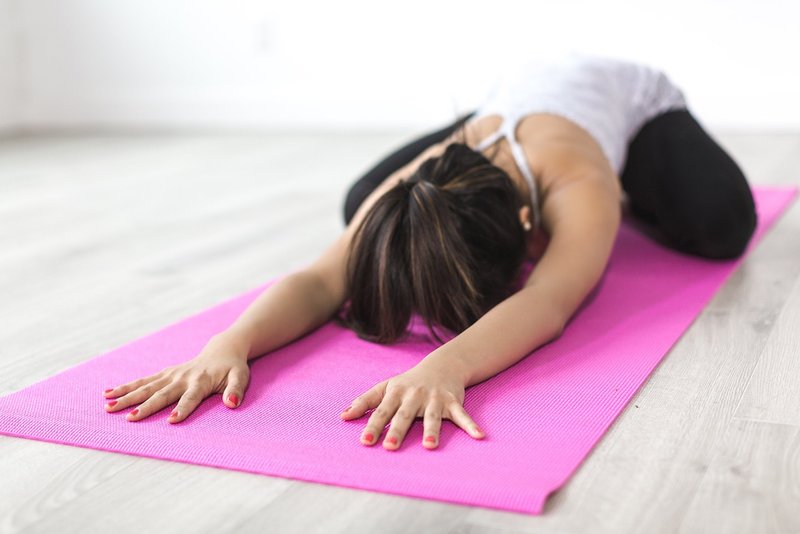
Representative image: Caoha / Pixabay
A 40-patient Milan study, reported on 12 October 2026, linked three months of yoga before bariatric surgery to lower noradrenaline, but found no gene-level inflammation change.
What Happened
A small study from Milan, Italy, published this month in the journal Frontiers in Public Health, found that adults with severe obesity who took part in a three-month yoga programme while waiting for bariatric (weight-loss) surgery had lower blood levels of the stress hormone noradrenaline than a comparison group who did not. The findings were summarised in a research report dated Monday, 12 October 2026. The same study found no clear change in markers of inflammation at the gene level and no clear psychological or metabolic benefit, and its authors stress that the design cannot prove yoga caused the difference.
Key Facts
- The study was prospective and observational, not a randomised trial. It enrolled 48 adults with severe obesity awaiting bariatric surgery, and 40 were included in the analysis.
- Twenty participants followed a structured yoga programme and twenty served as controls. People chose their group according to their own willingness and availability.
- The yoga group was offered 36 supervised group sessions of a protocol called PRANA_it, at about three sessions a week over three months. On average, participants attended 26 sessions.
- After adjusting for starting values, plasma noradrenaline was lower in the yoga group than in controls (adjusted difference -206.92, 95% confidence interval -349.62 to -64.21, p = 0.0057). Noradrenaline was a secondary outcome.
- According to the published summary, noradrenaline fell modestly on average in the yoga group while it rose in the control group.
- DNA methylation in the promoter regions of three inflammation-related genes (TNF-alpha, IL-6 and CRP) did not change significantly once the analysis corrected for multiple comparisons.
- Circulating TNF-alpha protein differed between groups at one time point (p = 0.0452), but the result was highly variable. Psychological outcomes did not differ between groups.
Why It Matters
The months before bariatric surgery are a demanding period. Patients usually face assessments, diet changes and the stress of a major operation. Noradrenaline is one of the chemical messengers of the sympathetic nervous system, the body's "fight or flight" response, and its blood level is one way researchers track how activated that system is. The authors read the lower level in the yoga group as consistent with reduced sympathetic activation during a stressful phase of care.
The study also tested a more ambitious idea: that yoga might change how inflammation genes are regulated, through chemical tags on DNA known as methylation. Severe obesity is linked to low-grade, long-lasting inflammation, so an effect here would have been notable. The team did not find one. They suggested that the short intervention period, the small sample and the use of blood samples alone may have limited their ability to detect such changes.
For readers who follow evidence on yoga, the paper is a useful example of how a cautious result looks. The positive finding sits on a secondary outcome, in a non-randomised group of 40 people at a single centre, where participants picked their own group. People who volunteer for yoga may differ from those who do not in ways that also affect stress hormones. The authors themselves say the design does not allow conclusions about cause and effect, and that adverse events were not recorded systematically.
| Outcome | Yoga group compared with controls |
|---|---|
| Plasma noradrenaline | Lower after adjustment (p = 0.0057) |
| DNA methylation of TNF-alpha, IL-6, CRP | No significant change |
| Circulating TNF-alpha protein | Difference at one time point only, highly variable |
| Psychological measures | No difference |
Impact
Short-term: The result gives no grounds for surgical teams to change pre-operative care. It does support running a properly randomised trial of yoga before bariatric surgery, with stress hormones as a planned main outcome.
Long-term: If larger randomised studies confirm the effect, supervised yoga could become a low-cost addition to the preparation programmes that many bariatric centres already run, alongside diet and exercise advice. If they do not, the finding will join many small pilot results that faded under stricter testing.
Who is affected: People with severe obesity preparing for weight-loss surgery, bariatric and anaesthesia teams, yoga therapists working in hospital settings, and researchers designing trials on mind-body practices.
Key Takeaway
A small, non-randomised Italian study linked three months of yoga before obesity surgery with lower noradrenaline levels, but found no gene-level change in inflammation and no clear psychological or metabolic benefit.
Questions and Answers
Does this study show that yoga reduces stress before surgery?
Not conclusively. People who did yoga had lower blood noradrenaline than those who did not, but participants chose their own group and only 40 were analysed, so the authors say the study cannot prove that yoga caused the difference.
How much yoga did participants do?
The programme offered 36 supervised group sessions, about three a week for three months. Participants attended 26 sessions on average.
Did yoga change inflammation in the body?
The study found no significant change in DNA methylation of the inflammation-related genes TNF-alpha, IL-6 and CRP. A difference in circulating TNF-alpha protein appeared at only one time point and was highly variable.
Should patients waiting for bariatric surgery take up yoga?
This study alone is not a basis for medical advice. Patients interested in yoga should discuss it with their surgical team, who can judge whether it is safe and suitable alongside their pre-operative programme.
Disclaimer: Prepared by the Peepals newsroom from publicly available sources with AI assistance. Information is accurate to the best of our knowledge at the time of publication and may change. Images may be representative. Not professional advice. Report an error via our contact page.
Sourced and fact-checked by the Peepals Global Editorial Team
Reported, fact-checked and published by the Peepals Global Editorial Team.