
Low-fat vegan diet cut liver fat by a third in type 2 diabetes, 16-week study finds

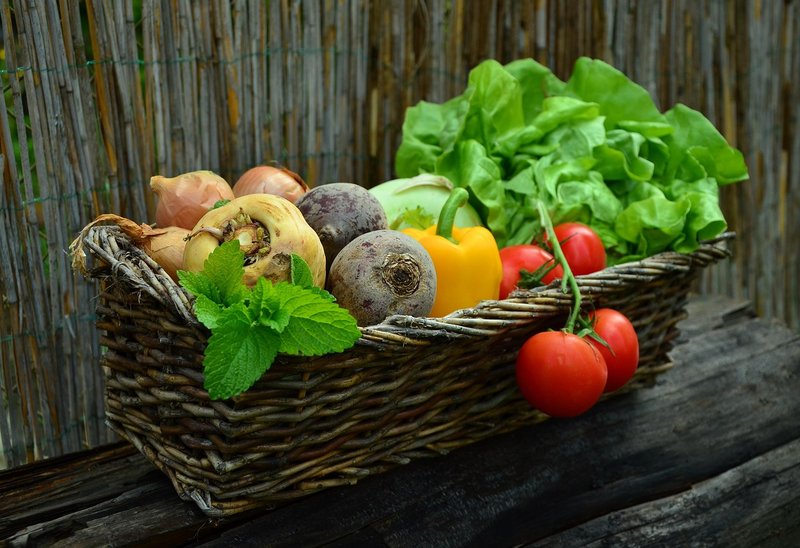
Representative image: the5th / Pixabay
A PCRM-Yale study made public on Oct 8, 2026 reports a 16-week low-fat vegan diet cut liver fat 33% and HbA1c by 1 point in type 2 diabetes; it had no control group.
What Happened
A low-fat vegan diet cut liver fat by about a third in adults with type 2 diabetes over 16 weeks, according to a study by the Physicians Committee for Responsible Medicine (PCRM), carried out with the Yale School of Medicine and published in BMJ Open Diabetes Research & Care. The findings were made public on Thursday 8 October 2026. Participants were asked to eat mainly vegetables, whole grains, legumes and fruit, without counting calories or controlling portion sizes. The researchers report that liver fat, abdominal fat and body weight fell, and that markers of insulin sensitivity and of the insulin-producing beta cells improved. The trial was single-arm, meaning it had no comparison group.
Key Facts
- The study ran for 16 weeks in adults with type 2 diabetes and was led by PCRM researcher Hana Kahleova, with Yale School of Medicine as collaborator.
- Liver fat (hepatocellular lipid content), which the researchers describe as a key driver of insulin resistance, fell by 33%, they report.
- Average body weight fell by 6.0 kg, or 6.6%, mostly from loss of fat mass.
- Visceral (abdominal) fat volume dropped by 290 cubic centimetres, according to the researchers.
- HbA1c, the three-month blood sugar measure, fell by 1.0 percentage point, and total and LDL cholesterol also fell.
- Participants ate as much as they wanted; there was no calorie counting or portion control.
- The trial had no control group, and PCRM is an organisation that promotes plant-based eating.
Why It Matters
Fat building up inside the liver is closely tied to insulin resistance, the problem at the root of type 2 diabetes. If diet alone can reduce that fat noticeably within four months, it gives people with diabetes, and their doctors, another practical tool alongside medicines. The study's authors argue that the change in liver fat helps explain why blood sugar and insulin function improved.
The diet tested will look familiar to many Indian households. Pulses, vegetables, whole grains and fruit have long been the base of traditional vegetarian meals in much of India. The study's version was strict, however: no dairy, no eggs, no meat, and low in added fat. That last point matters. Many Indian dishes rely on generous ghee or oil, and much of the daily plate is refined rice or wheat. An ICMR-INDIAB analysis of more than 18,000 Indian adults found carbohydrates, mainly rice, wheat and sugar, supply about 62% of daily calories, and linked high carbohydrate intake with higher risk of type 2 diabetes and obesity. Being vegetarian, in other words, is not the same as eating the kind of diet this trial tested.
Readers should weigh the evidence with care. A single-arm trial cannot show how much of the benefit came from the diet itself rather than from weight loss, or from simply being in a study. The trial lasted only 16 weeks, so it says nothing about long-term results. It was also led by an advocacy group for plant-based diets. Larger, controlled and longer studies would be needed before firm conclusions are drawn.
| Measure | Change reported after 16 weeks |
|---|---|
| Liver fat | Down 33% |
| Body weight | Down 6.0 kg (6.6%) |
| Visceral fat | Down 290 cubic centimetres |
| HbA1c | Down 1.0 percentage point |
Impact
Short-term: The results add to interest in plant-based eating for diabetes care. People already on diabetes medicines should not change their diet sharply without talking to their doctor, because falling blood sugar can require dose changes.
Long-term: If controlled trials confirm the findings, doctors could lean more on structured plant-based diets to reduce liver fat and improve insulin function, alongside exercise and medication.
Who is affected: Adults with type 2 diabetes or fatty liver, families who cook traditional vegetarian food and want to make it healthier, and dietitians and doctors advising them.
Key Takeaway
A 16-week low-fat vegan diet cut liver fat by about a third in adults with type 2 diabetes, PCRM-led researchers report, though the trial had no control group and needs confirming.
Questions and Answers
What did the new low-fat vegan diet study find?
Researchers led by PCRM, with Yale School of Medicine, report that adults with type 2 diabetes who followed a low-fat vegan diet for 16 weeks cut their liver fat by 33%, lost an average of 6.0 kg and lowered HbA1c by 1.0 percentage point.
Did participants have to count calories?
No. They were told to eat vegetables, whole grains, legumes and fruit and could eat as much as they wanted, without calorie counting or portion control.
Is a typical Indian vegetarian diet the same as the diet tested?
Not necessarily. The study diet excluded dairy and eggs and was low in fat, while many Indian vegetarian meals use ghee or oil and lean heavily on refined rice and wheat.
How strong is this evidence?
It is early. The trial was single-arm with no control group, lasted only 16 weeks, and was led by an organisation that promotes plant-based diets, so larger controlled studies are needed.
Disclaimer: Prepared by the Peepals newsroom from publicly available sources with AI assistance. Information is accurate to the best of our knowledge at the time of publication and may change. Images may be representative. Not professional advice. Report an error via our contact page.
Sourced and fact-checked by the Peepals Global Editorial Team
IGNCA marks Greater India Society centenary with 50-nation conference from October 14
Yoga before obesity surgery linked to lower stress hormone in small Italian study
Reported, fact-checked and published by the Peepals Global Editorial Team.