
Lancet Commission ranks obesity as top avoidable health threat; India faces all 17
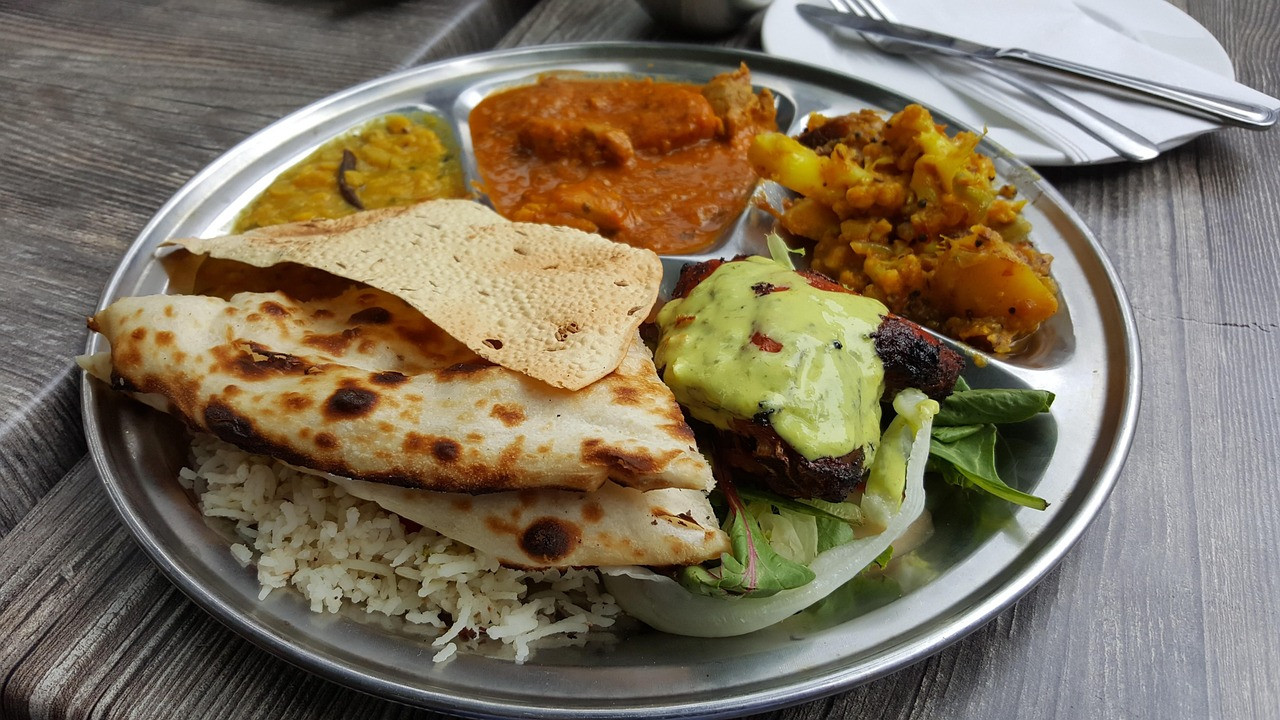
Representative image: AnirMitra / Pixabay
A Lancet Commission reported on 12 October 2026 ranks obesity as the biggest avoidable health threat to 2100; India faces all 17 threats it lists.
What Happened
A new Lancet Commission on 21st century global threats to health, launched at the World Health Summit 2026 in Berlin and reported in India on Monday, 12 October 2026, names obesity as the largest single contributor to the avoidable disease burden it projects up to the year 2100. The commission is co-chaired by Christopher Murray, director of the Institute for Health Metrics and Evaluation (IHME) at the University of Washington, and Natalia Kanem, former executive director of the United Nations Population Fund. It lists 17 catastrophic threats to human health and survival, and India is exposed to every one of them, according to coverage of the report.
Key Facts
- The commission identifies 17 interlinked threats, including obesity, air pollution, climate change, antimicrobial resistance, income inequality, nuclear conflict and the malicious use of artificial intelligence.
- Obesity is linked to 23.1 billion potential disability-adjusted life years (DALYs) by 2100 that policy could avoid, the largest figure for any threat, according to IHME.
- A threat was counted as catastrophic only if it could account for at least one billion DALYs by 2100, had enough data to model and left room for policy action.
- The analysis covers 204 countries and territories and the period from 2025 to 2100.
- Of the 17, only nuclear conflict and malicious AI use are described as carrying extinction potential, and the authors judge the likelihood of both to be low.
- India faces all 17 threats, according to reporting on the commission's findings.
Why It Matters
The headline risk in this report is not a war or a new virus but something that builds slowly at the dinner table and on the sofa. A DALY counts years of healthy life lost to illness, disability or early death, and the commission's measure focuses on the share of those years that targeted action could save. By ranking obesity first on that measure, the authors are saying that the biggest health gains this century may come from everyday eating and movement habits rather than from rare disasters.
For India the finding lands on familiar ground. An earlier analysis by the Indian Council of Medical Research (ICMR) and the Madras Diabetes Research Foundation found that about 62% of the calories Indians eat come from carbohydrates, much of it refined cereals and sugar, and linked that pattern to a higher risk of diabetes. The ICMR-National Institute of Nutrition released 17 dietary guidelines for Indians in May 2024, aimed at preventing disease through better daily food choices. Government nutrition campaigns such as Rashtriya Poshan Maah also push a diverse plate of cereals and millets, pulses, vegetables, fruits, nuts and dairy.
That is where heritage eating habits can help in practical terms. Many traditional Indian meals were built around whole grains such as ragi, jowar and bajra, a bowl of dal, seasonal vegetables and curd, cooked at home in measured amounts of oil. Walking, manual work and practices such as yoga were part of the day rather than a gym booking. Reviving those patterns does not require rejecting modern life; it means choosing the less refined grain, cutting back on packaged snacks and sugary drinks, and building movement into ordinary routines.
The commission's wider message is about timing. Its co-chair Christopher Murray has stressed that people still have the power to act, and the report argues that delaying action raises the eventual cost. For families, that translates into habits started now, especially for children, whose eating patterns set the course for adult health.
| Threat | Why it is on the list | Extinction potential |
|---|---|---|
| Obesity | Largest avoidable burden, 23.1 billion DALYs by 2100 | No |
| Air pollution | Among 17 catastrophic threats | No |
| Antimicrobial resistance | Among 17 catastrophic threats | No |
| Nuclear conflict | Low likelihood but extreme impact | Yes |
| Malicious AI use | Low likelihood but extreme impact | Yes |
Impact
Short-term: The report adds weight to existing Indian efforts on diet and nutrition and is likely to be cited in policy debates on food labelling, school meals and physical activity.
Long-term: If its projections hold, countries that slow the rise of obesity could avoid a large share of lost healthy years by 2100, while those that delay face higher medical and economic costs.
Who is affected: Every age group, but especially children and young adults in cities whose diets are shifting towards refined and packaged food, along with health planners, schools and families who decide what goes on the plate.
Key Takeaway
A Lancet Commission says obesity, driven by everyday diet and activity, is the biggest avoidable threat to health this century, and India is exposed to all 17 threats it lists.
Questions and Answers
What is the Lancet Commission on 21st century global threats to health?
It is an expert group co-chaired by IHME director Christopher Murray and former UNFPA head Natalia Kanem that assessed which risks could cause the greatest loss of healthy life worldwide between 2025 and 2100. It named 17 catastrophic threats.
Why is obesity ranked above threats like nuclear war?
The ranking is based on avoidable lost years of healthy life, not on how dramatic a threat is. Obesity affects very large numbers of people for many years, so its projected avoidable burden of 23.1 billion DALYs by 2100 is the largest, while nuclear conflict is judged to be low in likelihood.
Does the report say India faces all 17 threats?
Reporting on the commission states that India faces all 17, from obesity and air pollution to antimicrobial resistance and climate change. A detailed country-by-country breakdown for India was not part of the coverage reviewed.
What simple steps can an Indian household take?
Following the ICMR-NIN dietary guidelines is a good start: eat a varied plate with whole grains such as millets, pulses, vegetables and fruit, limit refined and packaged foods and sugar, and build daily movement such as walking or yoga into the routine.
Disclaimer: Prepared by the Peepals newsroom from publicly available sources with AI assistance. Information is accurate to the best of our knowledge at the time of publication and may change. Images may be representative. Not professional advice. Report an error via our contact page.
Sourced and fact-checked by the Peepals Global Editorial Team
Uttarakhand plans Sanskrit push for 2027 Kumbh, Vedas and Upanishads for children
Centre asks states to enforce clinic rate display, Ayush visa package prices
Reported, fact-checked and published by the Peepals Global Editorial Team.