
'Ferritin face' trend: doctors say only a blood test shows low iron
 By Vikram JoshiLife Balance Correspondent, Peepals Shakti
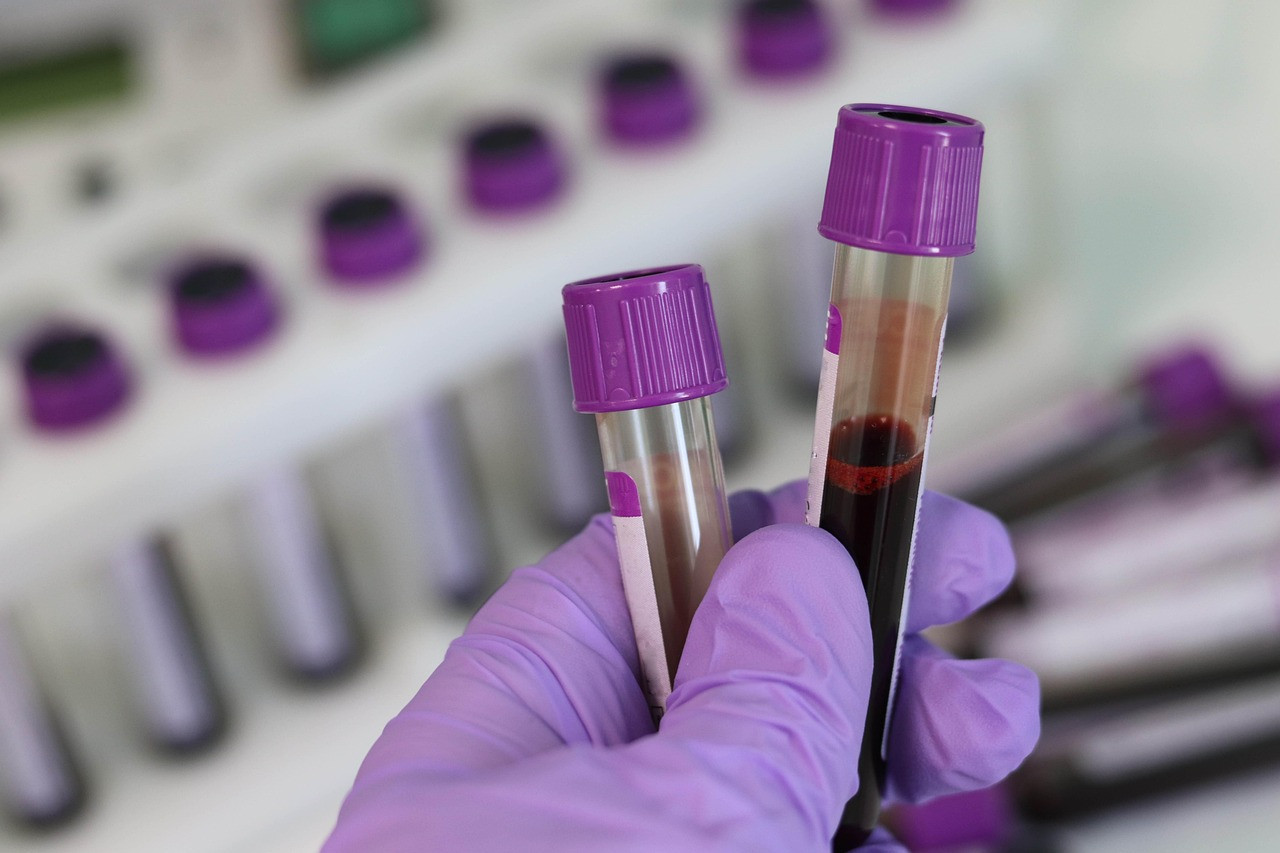
Representative image: Belova59 / Pixabay
Doctors say the viral 'ferritin face' idea cannot diagnose iron deficiency, which only a blood test can confirm; women face higher risk, and 57% of Indian women are anaemic.
What Happened
"Ferritin face", a phrase spreading on TikTok and Instagram, claims that low iron stores show up in a person's face, through a pale, tired or drawn look. Doctors have pushed back this week. In reports in the United Kingdom, where "ferritin" became one of Google's trending searches on Wednesday, October 28, 2026, West Midlands general practitioner Dr Aziza Sesay said the idea is not a medical diagnosis, even if such changes can be a clue that something is going on. Experts quoted in a United States report on Friday, October 23, made the same point: only a blood test can show whether a person's iron stores are low.
Key Facts
- What ferritin is: a protein that stores iron in the body; a blood test for ferritin shows how much iron a person has in reserve.
- The trend: social media posts link a pale, tired or puffy face to low ferritin and encourage viewers to "spot" it in themselves.
- Doctors' view: a face cannot show iron levels; symptoms such as tiredness, pale skin and hair shedding deserve a check-up, but they have many possible causes.
- Hidden stage: iron stores can run low before haemoglobin, the iron-carrying protein in red blood cells, falls, so a routine blood count can look normal while ferritin is already low.
- Women's risk: women are more likely than men to be short of iron, mainly because of blood lost during menstruation.
- India: according to the National Family Health Survey (NFHS-5, 2019-21), 57.0% of women aged 15 to 49 are anaemic, up from 53.1% in NFHS-4 (2015-16).
- Adolescent girls: NFHS-5 puts anaemia among girls aged 15 to 19 at 59.1%, against 31.1% among boys of the same age.
Why It Matters
Online health trends spread because they promise a quick answer to a real worry. Many women do feel exhausted while juggling work, home and caring for others, and a simple label can seem to explain it. The risk is in both directions. A woman who decides from a mirror that she is iron deficient may start taking iron supplements she does not need. Another who does not "see" the signs may ignore tiredness that has a serious cause, from anaemia to thyroid problems.
The doctors' message is therefore not that the symptoms are imaginary. It is that the face is the wrong test. Ferritin can be measured in an ordinary blood sample, and a doctor can read it together with haemoglobin and other results. There is also a separate medical debate about where "low" begins: one Canadian physician has noted that Ontario raised its lower limit for normal ferritin to 30 micrograms per litre, where labs had earlier used cut-offs of 10 to 15.
For Indian women, the question is far from academic. Anaemia, most often caused by a lack of iron, affects more than half of women of reproductive age, according to NFHS-5. The government's Anaemia Mukt Bharat strategy, launched in 2018, provides iron and folic acid supplements and deworming to groups including children, adolescents, pregnant and breastfeeding women, and women of reproductive age. With such programmes in place, a woman worried about tiredness has a route to proper care rather than a guess.
| Group (NFHS-5, 2019-21) | Share anaemic |
|---|---|
| Women aged 15 to 49 | 57.0% |
| Adolescent girls (15 to 19) | 59.1% |
| Adolescent boys (15 to 19) | 31.1% |
| Pregnant women (15 to 49) | 52.2% |
| Children (6 to 59 months) | 67.1% |
Impact
Short-term: Searches for "ferritin" have surged on the back of the trend. More people may ask their doctors for the test, which is useful when symptoms justify it; the risk is that others buy supplements without advice.
Long-term: The attention may help push a wider discussion on how iron deficiency is screened in women, including where the "normal" ferritin limits should sit and how often menstruating women should be tested.
Who is affected: Women and adolescent girls, especially those with heavy periods, pregnant and breastfeeding women, people on restrictive diets, and family doctors who must sort real deficiency from online self-diagnosis.
This article explains a trend and the evidence around it; it is not medical advice. Anyone with ongoing tiredness, breathlessness or heavy periods should see a qualified doctor and get tested before taking supplements.
Key Takeaway
The "ferritin face" trend cannot tell anyone whether their iron is low; doctors say only a blood test can, and with 57% of Indian women aged 15 to 49 anaemic under NFHS-5, a proper test is the sensible step for women with symptoms.
Questions and Answers
What is "ferritin face"?
It is a social media term, popular on TikTok and Instagram, for the idea that low iron stores show in a person's face as paleness, tiredness or a drawn look. Doctors say it is not a medical diagnosis.
Can you tell ferritin levels from your face?
No. Doctors say facial changes can be a clue that something is wrong, but only a blood test can measure ferritin, the protein that stores iron, and show whether iron stores are low.
Why are women more likely to have low iron?
Mainly because of blood lost during menstruation. In India, NFHS-5 found 57.0% of women aged 15 to 49 and 59.1% of adolescent girls were anaemic.
Should I take iron tablets if I feel tired?
Not without a test. Tiredness has many possible causes. A doctor can order a ferritin and haemoglobin test, and government programmes such as Anaemia Mukt Bharat provide iron and folic acid supplements to eligible groups.
Disclaimer: Prepared by the Peepals newsroom from publicly available sources with AI assistance. Information is accurate to the best of our knowledge at the time of publication and may change. Images may be representative. Not professional advice. Report an error via our contact page.
By Vikram Joshi, Life Balance CorrespondentCovers Life Balance and more for Peepals Shakti. All stories by Vikram Joshi
Ontario polls: Ottawa's first women-majority council, two cities' first women mayors
Ex-Microsoft director Farhana Haque to lead Ingram Micro India's platform business
Get the day's stories in your inbox
Peepals Weekly: the week decoded, free. One email a week, unsubscribe in one click.
Vikram Joshi is a pen name of the Peepals Global Editorial Team, which researches, fact-checks and publishes every story. The portrait is an illustration.