
Fast-ageing placentas may drive late-onset pre-eclampsia, Flinders study finds
 By Vikram JoshiLife Balance Correspondent, Peepals Shakti

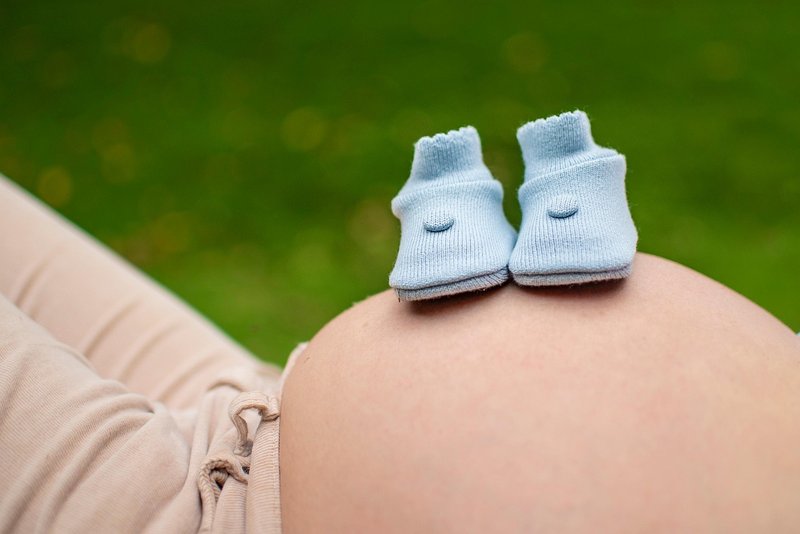
Representative image: 2147792 / Pixabay
Placentas in late-onset pre-eclampsia show faster ageing, with oxidative stress a key driver, a Flinders University study in PNAS reported on October 26, 2026.
What Happened
Placentas from pregnancies affected by late-onset pre-eclampsia show clear signs of ageing faster than they should, a study led by Flinders University in Australia has found. The work, led by Dr Anya Arthurs and published in the Proceedings of the National Academy of Sciences (PNAS), was announced by the university on Monday, October 26, 2026. The team found shorter telomeres, more DNA damage and a build-up of worn-out cells in affected placentas, and pointed to oxidative stress as a major driver.
Key Facts
- The study is titled "Late-Onset Preeclampsia is characterised by Accelerated Placental Aging" and appears in PNAS.
- It was led by Dr Anya Arthurs of Flinders University; Claire Roberts is listed as the corresponding author.
- Researchers compared placental tissue from healthy pregnancies with tissue from pregnancies affected by late-onset pre-eclampsia, and also used trophoblast organoids, which are small lab-grown models of placental tissue.
- Affected placentas at term had shorter telomeres, more DNA damage and more senescent cells, which are cells that have stopped dividing.
- Reducing oxidative stress in the lab models eased several markers of ageing.
- Levels of TERRA, an RNA made at the ends of chromosomes, were lower in affected placentas, and lowering TERRA in lab models made the ageing signs stronger.
- The World Health Organization says pre-eclampsia affects 3 to 8 per cent of women who give birth worldwide.
- The researchers describe the findings as early; more work is needed before any treatment could be tested in pregnancy.
Why It Matters
Pre-eclampsia is a pregnancy disorder marked by high blood pressure. The World Health Organization describes it as a hypertensive disorder that usually develops after the 20th week of pregnancy. It can harm both the mother and the baby, and doctors still have few tools to prevent it. The late-onset form appears later in pregnancy and is the more common type, but it has been harder to explain than the early-onset form.
The placenta is the organ that grows in the womb to feed the baby and remove waste. It is built to last only about nine months, so it ages much faster than the rest of the body. The new study suggests that in late-onset pre-eclampsia this normal ageing runs ahead of schedule. Telomeres, the protective caps at the ends of chromosomes, become shorter as cells age; in the affected placentas they were shorter than in healthy ones. The team also found more cells that had entered senescence, a state in which cells stop dividing and can release signals that inflame nearby tissue.
According to the university, Dr Arthurs argued that placental ageing may be an active process that helps cause pre-eclampsia, rather than only a side effect of the disease. If that view holds up, it changes where researchers look for prevention. Oxidative stress, a chemical imbalance that damages cells, appeared to be a key driver, and easing it in the lab models reduced several ageing markers. The role of TERRA adds a second lead: when its level fell, the lab-grown tissue aged faster.
For women, the practical message today is about awareness rather than treatment. The study does not offer a test or a drug. It gives scientists a clearer target, and it underlines why regular blood pressure checks in the second half of pregnancy matter. Any decision about care belongs with a woman's own doctor.
| Marker | Late-onset pre-eclampsia placentas | Healthy placentas |
|---|---|---|
| Telomere length | Shorter | Longer |
| DNA damage | Higher | Lower |
| Senescent cells | More | Fewer |
| TERRA levels | Lower | Higher |
Impact
Short-term: The study gives researchers a defined set of ageing markers to measure in placentas, and a lab model in which to test ways of lowering oxidative stress. It does not change medical advice for pregnant women now.
Long-term: If later studies confirm that faster placental ageing helps cause late-onset pre-eclampsia, it could lead to early warning tests based on these markers and, in time, to treatments that slow the ageing process. The researchers say much more work is needed before any such therapy could be used in pregnancy.
Who is affected: Pregnant women, especially those in the later months of pregnancy; obstetricians and midwives; and researchers in maternal health. In countries with large numbers of births, such as India, even a small share of affected pregnancies means many women.
Key Takeaway
A Flinders University study published in PNAS found that placentas in late-onset pre-eclampsia age faster, with oxidative stress a key driver, offering a new research target but no treatment yet.
Questions and Answers
What did the Flinders University placenta study find?
It found that placentas from pregnancies with late-onset pre-eclampsia showed signs of faster ageing, including shorter telomeres, more DNA damage and more senescent cells, compared with placentas from healthy pregnancies.
What is pre-eclampsia?
Pre-eclampsia is a pregnancy disorder involving high blood pressure that usually develops after the 20th week. The World Health Organization says it affects 3 to 8 per cent of women who give birth worldwide.
Does this study offer a new treatment for pre-eclampsia?
No. The researchers describe the findings as early. Lowering oxidative stress eased ageing signs in lab-grown tissue, but much more research is needed before any therapy could be tested in pregnant women.
Where was the study published and who led it?
It was published in the Proceedings of the National Academy of Sciences and led by Dr Anya Arthurs of Flinders University, with Claire Roberts as corresponding author. The university announced it on October 26, 2026.
Disclaimer: Prepared by the Peepals newsroom from publicly available sources with AI assistance. Information is accurate to the best of our knowledge at the time of publication and may change. Images may be representative. Not professional advice. Report an error via our contact page.
By Vikram Joshi, Life Balance CorrespondentCovers Life Balance and more for Peepals Shakti. All stories by Vikram Joshi
Mother's second marriage no bar to child custody, Peshawar High Court rules
No written care clause needed to cancel parent's property gift: Karnataka HC
Vikram Joshi is a pen name of the Peepals Global Editorial Team, which researches, fact-checks and publishes every story. The portrait is an illustration.