
Circadian depression: body-clock subtype found in 23% of patients, mostly women
 By Vikram JoshiLife Balance Correspondent, Peepals Shakti
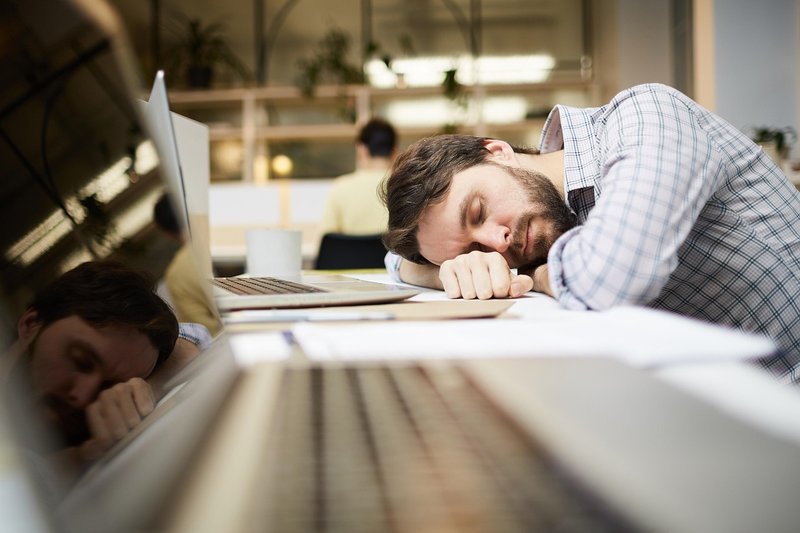
Representative image: ErikaWittlieb / Pixabay
A University of Sydney study of 11,380 adults, released on 21 October 2026, describes a 'circadian' depression subtype in 23% of patients, 80% of them women.
What Happened
Researchers at the University of Sydney have described a "circadian" subtype of depression, linked to a disturbed body clock, in 23% of the adults with depression they studied, and most of those people were women. The study, published in the British Journal of Psychiatry and announced by the university on 21 October 2026, used questionnaire and genetic data from 11,380 adults aged 18 to 90 in the Australian Genetics of Depression Study. People in the subtype reported that common antidepressants worked less well for them and caused more side effects.
Key Facts
- Sample: 11,380 adults with depression, aged 18 to 90, from the Australian Genetics of Depression Study.
- Subtype size: 2,604 people, or about 23%, met the definition; some reports round this to one in four.
- Who: about 80% of the subtype were women, with an average age of 37.9 years, according to a summary of the paper.
- Definition: at least three of six features, including seasonal mood swings, late sleep times, "social jet lag", night-owl habits, sleeping too much and feeling tired on waking.
- Linked features: earlier onset of depression, more severe symptoms, and higher genetic risk for some other conditions, including ADHD.
- Treatment: members reported that SSRIs and SNRIs, two common classes of antidepressant, worked less well and caused more side effects.
- Lead author: Emiliana Tonini of the university's Brain and Mind Centre; the team includes Jacob Crouse and Ian Hickie.
Why It Matters
Depression is not one illness with one cause, and doctors have long looked for ways to group patients so that treatment fits them better. The circadian rhythm is the body's roughly 24-hour internal clock, which tells us when to sleep, wake, eat and feel alert. This study suggests that, for a sizeable group of people with depression, problems with that clock sit at the centre of their illness rather than at the edge.
The features used to define the group are familiar ones: sleeping much later than family or work allow, a gap between weekday and weekend sleep times (often called social jet lag), sleeping too long when low, and dragging through the morning. For women balancing jobs, caring duties and household routines, these patterns are often dismissed as tiredness or poor discipline. The finding that 80% of the subtype were women gives researchers a reason to look more closely at how body-clock disruption and depression interact in women's lives.
The treatment finding is the part that will draw most attention. The university said the subtype may respond better to approaches aimed at the body clock, such as timed light exposure, melatonin-based treatment and regular routines. That is a proposal for future testing, not a proven result: the study did not compare those treatments directly.
The limits are important. The body clock was not measured directly, with hormone tests or sleep trackers; the subtype was built from what people reported in questionnaires. The poorer response to antidepressants was also self-reported. The sample came from one Australian study, so the share may differ elsewhere, including in India. None of this means anyone should change or stop a medicine on their own; decisions about treatment belong with a doctor.
| Item | Finding |
|---|---|
| People studied | 11,380 adults with depression |
| Circadian subtype | 2,604 (about 23%) |
| Women in subtype | About 80% |
| Reported drug response | Weaker benefit, more side effects with SSRIs and SNRIs |
Impact
Short-term: The study gives patients and doctors words for a pattern many recognise, and may prompt more questions about sleep timing, mornings and seasons during assessment for depression.
Long-term: If confirmed by studies that measure the body clock directly and test treatments head to head, the subtype could help doctors choose between medicines and body-clock-based approaches earlier, instead of by trial and error.
Who is affected: People living with depression, especially women and those with late or irregular sleep, psychiatrists and general doctors, and researchers working on sleep and mental health.
If you or someone you know needs help, call Tele-MANAS on 14416.
Key Takeaway
A large Australian study has defined a body-clock-linked "circadian" form of depression affecting about 23% of patients, mostly women, who report weaker benefit from common antidepressants, though the findings still need direct testing.
Questions and Answers
What is circadian depression?
It is a proposed subtype of depression linked to a disturbed body clock. In a University of Sydney study, people were placed in it if they had at least three of six features such as late sleep times, social jet lag, oversleeping, morning tiredness and seasonal mood swings.
How common is the circadian depression subtype?
In the study of 11,380 adults with depression, 2,604 people, about 23%, met the definition. About 80% of them were women.
Do antidepressants work for circadian depression?
People in the subtype reported that SSRIs and SNRIs worked less well and caused more side effects. That was self-reported, and the study did not test other treatments, so anyone on medication should discuss changes only with their doctor.
What are the limits of the study?
It relied on questionnaires rather than direct measures of the body clock, the drug-response finding was self-reported, and all participants came from one Australian study, so results may differ in other countries.
Disclaimer: Prepared by the Peepals newsroom from publicly available sources with AI assistance. Information is accurate to the best of our knowledge at the time of publication and may change. Images may be representative. Not professional advice. Report an error via our contact page.
By Vikram Joshi, Life Balance CorrespondentCovers Life Balance and more for Peepals Shakti. All stories by Vikram Joshi
Puig posts record Q3 sales of €1.39 billion as make-up grows 16%
Bengaluru apparel brand ReplyAll raises Rs 9.7 crore for 'all-day' clothing
Vikram Joshi is a pen name of the Peepals Global Editorial Team, which researches, fact-checks and publishes every story. The portrait is an illustration.