
'Hidden curfew': 55% of UK women feel unsafe exercising alone after dark
 By Vikram JoshiLife Balance Correspondent, Peepals Shakti
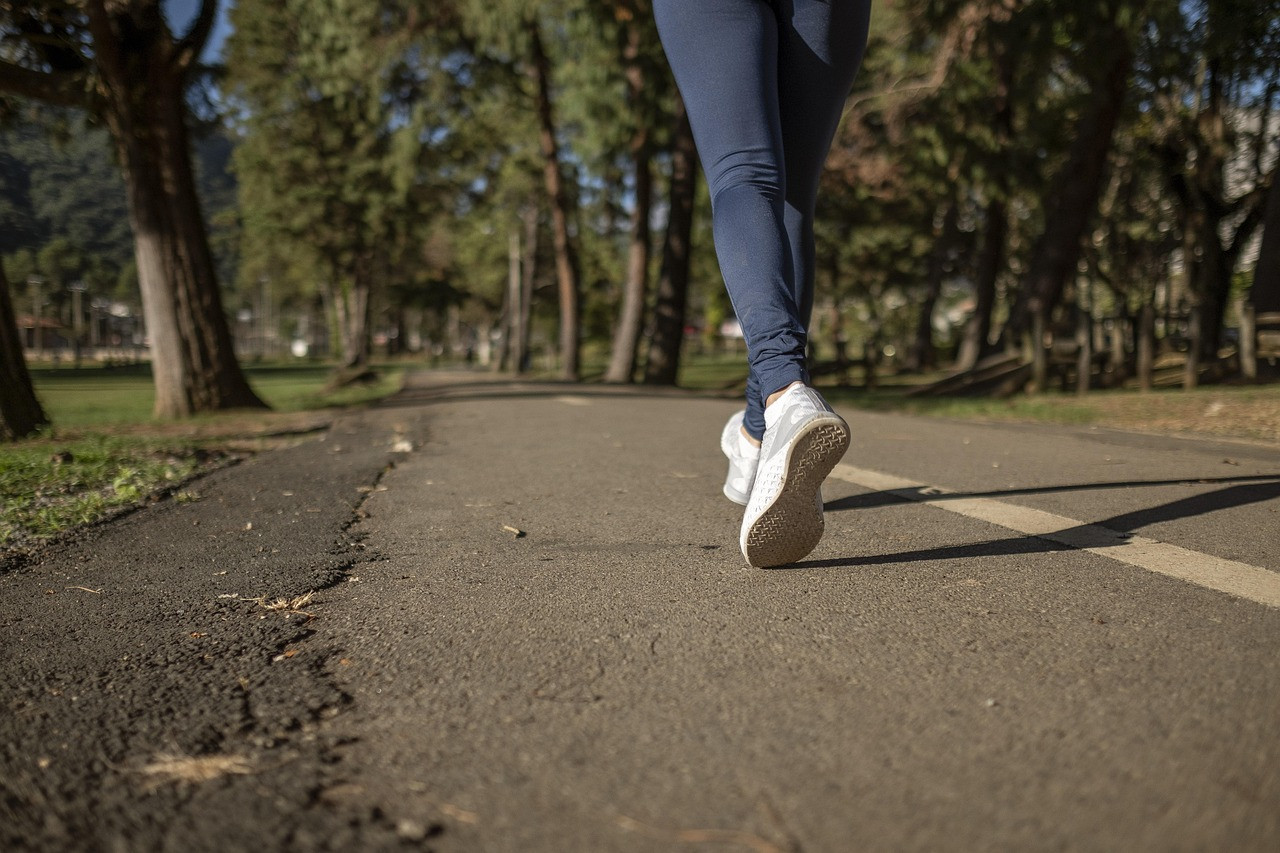
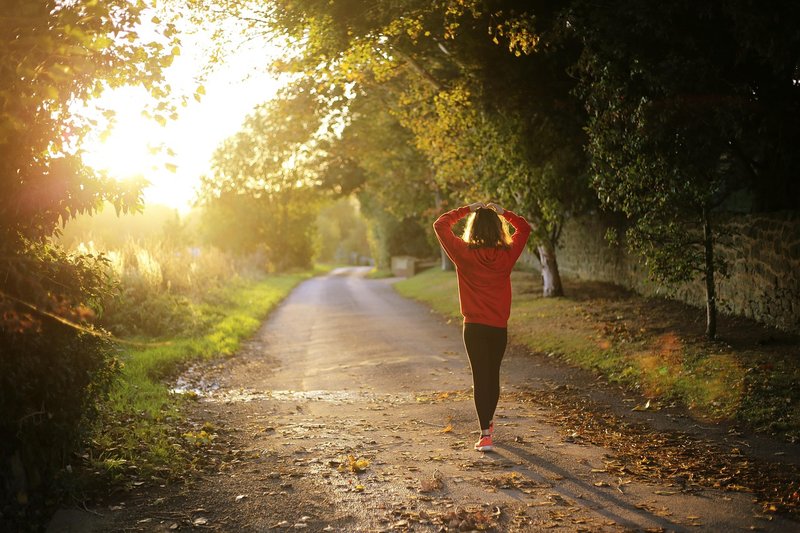
Representative image: Fotorech / Pixabay
A This Girl Can survey reported on October 26-27, 2026 found 55% of women in Britain feel unsafe exercising outdoors alone after dark.
What Happened
More than half of women in Britain feel unsafe exercising outdoors alone after dark, according to a survey by Sport England's This Girl Can campaign reported on October 26 and 27, 2026, as the clocks went back and evenings grew darker. The survey found that 55% of women feel unsafe exercising alone outside after dark, a pattern campaigners call a "hidden curfew" on women's exercise. The findings launch this year's Let's Lift the Curfew campaign, which is asking women and running clubs to join organised runs and walks this week.
Key Facts
- 55% of women in Britain feel unsafe exercising outdoors alone after dark, according to the This Girl Can survey.
- More than two-thirds of women surveyed said they were concerned about the risk of sexual harassment, and 52% said they were afraid of being followed after dark, according to reports on the survey.
- More than two-thirds believe rising online misogyny makes them feel even less safe, the reports said.
- Women are more than three times as likely as men to stop exercising outdoors entirely after dark, said Kate Peers of the This Girl Can campaign.
- In the South West of England, the campaign's figures put the share of women who feel unsafe exercising alone after dark at 58%.
- Let's Lift the Curfew has run since 2023; this year clubs were encouraged to hold women-only runs, and one report said sign-ups had passed 10,000 people nationwide.
- The UK clocks went back on Sunday, October 25, 2026, bringing earlier sunsets.
Why It Matters
People searching "curfew" in Britain this week were reading about this survey. The idea of a "hidden curfew" is that no law stops women from running, walking or cycling in the evening, yet fear of harassment or attack can have much the same effect. When the clocks go back, many working women lose the only free time they have for exercise in daylight. If they stop going out, or squeeze activity into fewer, rushed sessions, the cost shows up in their physical and mental health over the long winter months.
The figures also show that the problem is about more than physical danger. A majority of respondents said they worried about sexual harassment, about half feared being followed, and more than two-thirds linked their sense of risk to rising misogyny online. That suggests women's choices are shaped by what they see and hear, not only by what has happened to them, and it points to answers beyond street lighting alone: men's behaviour, how harassment is reported and handled, and whether parks and paths feel watched and used in the evening.
The responses described so far are practical. Many women told the survey they would start exercising earlier or share their location with someone before heading out. Running clubs across England are holding women-only and after-dark group sessions, and local councils and health hubs have started free evening walking groups in support of the campaign. Exercising in a group is the most common workaround, but it depends on there being a club nearby at the right time.
For readers in India, the questions are familiar: whether a park, a road or a station feels safe after sunset still decides when, where and whether many women can exercise or travel. The British survey is a reminder that personal wellbeing depends partly on public safety.
The table sets out the main figures reported from the survey and campaign.
| Measure | Figure |
|---|---|
| Women in Britain who feel unsafe exercising alone outdoors after dark | 55% |
| Women afraid of being followed after dark | 52% |
| Women concerned about sexual harassment | more than two-thirds |
| Women in the South West who feel unsafe | 58% |
| Likelihood of women vs men stopping outdoor exercise after dark | more than three times |
Impact
Short-term: Running clubs, councils and community groups in England are holding women-only and evening group sessions this week under the Let's Lift the Curfew banner, and many women say they will change their exercise times.
Long-term: The survey adds to pressure on local authorities, police and sports bodies to treat women's safety as part of public health, through lighting, safer routes and action on harassment, so that women do not drop out of exercise every winter.
Who is affected: Women who exercise outdoors, particularly those who work office hours, along with running and walking clubs, local councils, police and public health bodies.
Key Takeaway
A This Girl Can survey found 55% of British women feel unsafe exercising alone outdoors after dark, and campaigners say this "hidden curfew" pushes many to stop or change their exercise each winter.
Questions and Answers
What is the "hidden curfew" on women's exercise?
It is the term used by the This Girl Can campaign for the way fear of harassment or attack stops many women from exercising outdoors after dark, even though no rule prevents them. Its survey found 55% of women in Britain feel unsafe exercising alone outside after dark.
Who carried out the survey?
The survey was run by This Girl Can, a campaign of Sport England, the public body that promotes sport and physical activity in England. Its findings were reported on October 26 and 27, 2026.
What are women doing differently because of these fears?
Many said they would exercise earlier in the day or share their location with someone before going out. Clubs are also holding women-only and group runs and walks after dark.
What is Let's Lift the Curfew?
It is an annual campaign, running since 2023, that encourages women to take part in organised group runs and walks when the clocks go back, to raise awareness of the safety concerns women face when exercising in the dark.
Disclaimer: Prepared by the Peepals newsroom from publicly available sources with AI assistance. Information is accurate to the best of our knowledge at the time of publication and may change. Images may be representative. Not professional advice. Report an error via our contact page.
By Vikram Joshi, Life Balance CorrespondentCovers Life Balance and more for Peepals Shakti. All stories by Vikram Joshi
Get the day's stories in your inbox
Peepals Weekly: the week decoded, free. One email a week, unsubscribe in one click.
Vikram Joshi is a pen name of the Peepals Global Editorial Team, which researches, fact-checks and publishes every story. The portrait is an illustration.