
Gabriela Hearst puts Afghan women's craft on the Paris runway, calling them her muses
Representative image: DEZALB / Pixabay
At Paris Fashion Week on October 5, 2026, Gabriela Hearst showed a collection partly made by Afghan women artisans, whom she called her '22 million muses'.
What Happened
Designer Gabriela Hearst built her Spring/Summer 2027 collection, shown at Paris Fashion Week on Monday, October 5, 2026, around the craft of Afghanistan and the women who make it. Her label worked with Turquoise Mountain, a non-profit organisation that supports artisan communities, to find makers in Afghanistan, and the show notes described Afghan women as her "22 million muses". The collection, shown in the courtyard of the Petit Palais, featured ikat patchwork jackets and dresses with shisha mirror embroidery, jewellery and blazer buttons decorated with paintings by Afghan artisans, and closing white looks embroidered with pomegranates, Afghanistan's national fruit. Part of the collection was made by Afghan women artisans.
Key Facts
- Show: Gabriela Hearst Spring/Summer 2027, Paris Fashion Week, October 5, 2026, at the Petit Palais.
- Partner: Turquoise Mountain, a non-profit supporting artisan communities in Afghanistan.
- Framing: show notes dedicated the work to Afghan women, called the designer's "22 million muses".
- Techniques: ikat patchwork, shisha mirror embroidery, hand-painted jewellery and buttons, lace and embroidery.
- Production: only partly made by Afghan women artisans; macramé and crochet pieces were made with the Bolivian collective Madres y Artesanas.
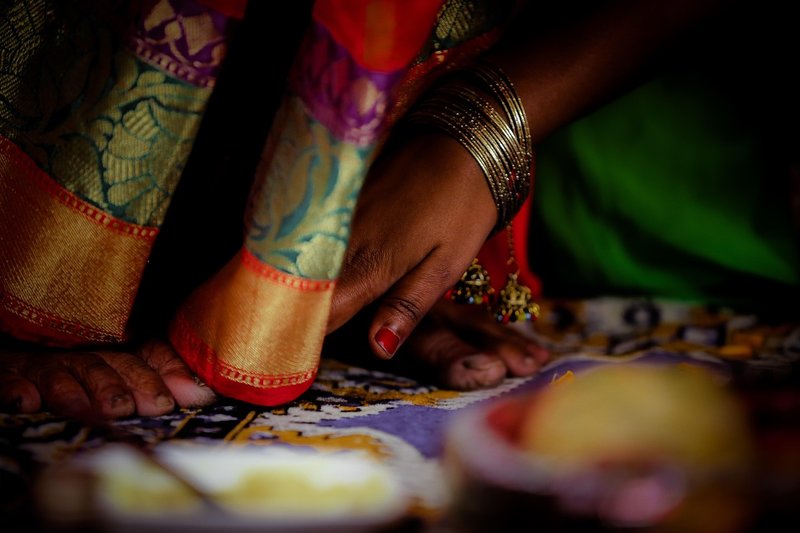
- Context: the designer has said Afghanistan has been on her mind since the Taliban took control of Kabul in 2021; her team filmed only the women's hands because of fears of reprisals, according to one report.
Why It Matters
Fashion often borrows from craft traditions without crediting or paying the people behind them. Hearst's approach, working through a non-profit partner, naming the source of each technique and having artisans make part of the collection, is a model that some designers use to put money and recognition back into the communities whose skills they draw on. For the Afghan women involved, craft work commissioned by an international label means income and recognition, even if, as one report says, fears of reprisals meant only their hands could be filmed.
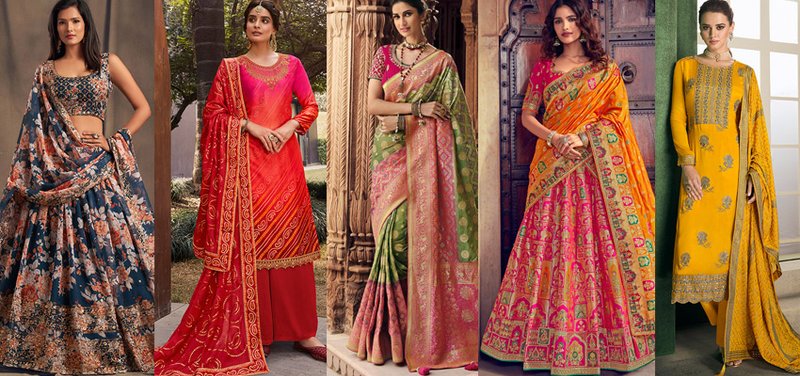
The collection also highlights how much skill sits in hand techniques such as ikat weaving and mirror embroidery, which are shared across Central and South Asia. Readers in India will recognise shisha work from Gujarat and Rajasthan and ikat from Odisha, Telangana and Gujarat. The show is a reminder that these crafts can command a place on the world's most important runways when they are presented with care and credited properly.
There are limits to what one collection can do. Only part of it was made in Afghanistan, and a luxury runway show reaches a small group of buyers. The lasting value will depend on whether orders continue after the season, and whether the artisans receive fair and regular work rather than a one-time commission. Hearst said in an interview that the collection was beautiful to research and make, and that a harsh place can also produce beautiful things.
| Element | Detail |
|---|---|
| Afghan techniques | Ikat patchwork, shisha mirror embroidery, hand-painted details |
| Partner | Turquoise Mountain |
| Other makers | Madres y Artesanas, Bolivia (macramé, crochet) |
| Closing motif | Pomegranates, Afghanistan's national fruit |
Impact
Short-term: Attention for Afghan artisans and for Turquoise Mountain's work, and for craft-led design during the Paris shows.
Long-term: If commissions continue, the collaboration could provide steady income for women artisans in Afghanistan and encourage other labels to credit and pay craft communities directly.
Who is affected: Afghan women artisans, craft non-profits, designers working with traditional techniques, and buyers of luxury fashion.
Key Takeaway
Gabriela Hearst's Paris show turned Afghan women's craft into the centrepiece of a luxury collection, with credit given to the artisans who made part of it.
Questions and Answers
What was special about Gabriela Hearst's Spring/Summer 2027 show?
Shown in Paris on October 5, 2026, it was built around Afghan craft, including ikat patchwork, mirror embroidery and hand-painted details, and was dedicated to Afghan women, whom the show notes called her "22 million muses".
Was the collection made in Afghanistan?
Partly. Some pieces were made by Afghan women artisans found through the non-profit Turquoise Mountain. Macramé and crochet pieces were made with a Bolivian collective.
Why were the artisans not shown on camera?
According to one report, the team filmed only the women's hands because of fears of reprisals in Afghanistan.
Are these crafts related to Indian textiles?
Yes, in technique. Mirror embroidery and ikat weaving are also practised in parts of India, including Gujarat, Rajasthan, Odisha and Telangana.
Disclaimer: Prepared by the Peepals newsroom from publicly available sources with AI assistance. Information is accurate to the best of our knowledge at the time of publication and may change. Images may be representative. Not professional advice. Report an error via our contact page.
Sourced and fact-checked by the Peepals Global Editorial Team
National Women's Small Business Month 2026: US Marks October Observance
Twin study: family factors explain much of the screen time link to teen mental health
Reported, fact-checked and published by the Peepals Global Editorial Team.