
Loneliness and isolation may cost women 3.7 years free of depression, big study finds

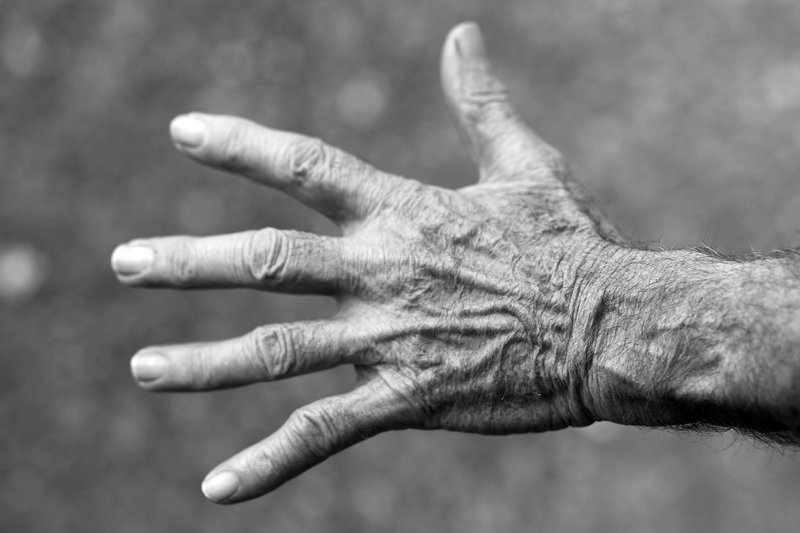
Representative image: sasint / Pixabay
A Tulane-led study of 277,489 adults, publicised in October 2026, links loneliness plus isolation to 3.7 fewer depression-free years for women.
What Happened
A large study led by researchers at Tulane University in the United States has found that people who are both lonely and socially isolated may lose several years of life free from depression and anxiety. Published in the journal Nature Communications and publicised by the university in a press release dated October 10, 2026, the study followed health data from 277,489 adults aged 40 to 69 in the UK Biobank, a long-running British health research project. Using age 50 as a starting point, women who were both lonely and isolated had about 3.7 fewer years free of depression and anxiety than women with neither, while for men the gap was about 5.8 years. The study was led by Lu Qi of Tulane.
Key Facts
- Participants: 277,489 UK adults aged 40 to 69, all free of seven major conditions at the start.
- Women with both loneliness and isolation: about 3.7 fewer years free of depression and anxiety, and about 2.4 fewer years free of major physical disease.
- Men with both: about 5.8 fewer years free of depression and anxiety, and about 1.7 fewer years free of physical disease.
- A healthy lifestyle, including good diet, regular exercise, adequate sleep and not smoking, narrowed the gap linked to social isolation.
- A healthy lifestyle did not significantly reduce the extra risk linked to feeling lonely.
- The study is observational, so it shows an association, not proof that loneliness causes illness.
Why It Matters
Loneliness and isolation are related but different. Isolation is about how few social contacts a person has; loneliness is the feeling that one's relationships are not enough. This study suggests the two carry separate risks, and that they are hardest on health when they come together.
The lifestyle finding is the most practical part for readers. Exercise, sleep, diet and not smoking appeared to buffer the effects of isolation, but not of loneliness. In other words, staying physically healthy is not a substitute for feeling connected. For women juggling work, caregiving and family, the finding suggests that time for friendships and meaningful conversation is not a luxury; it may protect long-term mental health in a way that a gym routine alone does not.
Women in midlife face particular pressures that can feed loneliness: children leaving home, caring for ageing parents, changes in work, and, for some, widowhood or separation. Although this study was done in the United Kingdom, such life changes happen in families everywhere, including in India. Recognising loneliness as a health risk, and not just a passing mood, is a first step towards addressing it.
The research has limits. It relies on observed patterns in one country's population, and people who report loneliness may differ in other ways that the study could not fully account for. Still, its size and long follow-up make it one of the more detailed looks at how social connection relates to healthy years of life.
| Group (both lonely and isolated) | Fewer years free of depression/anxiety | Fewer years free of physical disease |
|---|---|---|
| Women | About 3.7 | About 2.4 |
| Men | About 5.8 | About 1.7 |
Impact
Short-term: The findings give doctors and families a reason to ask about loneliness, not just physical health, in check-ups and conversations with women in midlife.
Long-term: If confirmed, the results support public health efforts that build social connection, such as community groups and support for caregivers, alongside lifestyle advice.
Who is affected: Women and men in midlife, caregivers, older adults living alone, doctors and public health planners.
Key Takeaway
Being both lonely and isolated is linked to years less of good mental health, and a healthy lifestyle helps with isolation but cannot replace feeling connected.
Questions and Answers
How much healthy life might loneliness and isolation cost women?
In the Tulane-led study, women who were both lonely and isolated had about 3.7 fewer years free of depression and anxiety, and about 2.4 fewer years free of major physical disease, measured from age 50.
Does exercise and a good diet cancel out loneliness?
Not according to this study. A healthy lifestyle reduced the risk linked to social isolation, but it did not significantly reduce the extra risk linked to feeling lonely.
What is the difference between loneliness and social isolation?
Social isolation means having few social contacts. Loneliness is the feeling that one's relationships are not enough, which can happen even among many people.
Does the study prove loneliness causes depression?
No. It is an observational study, so it shows a strong link but cannot prove cause and effect.
Disclaimer: Prepared by the Peepals newsroom from publicly available sources with AI assistance. Information is accurate to the best of our knowledge at the time of publication and may change. Images may be representative. Not professional advice. Report an error via our contact page.
Sourced and fact-checked by the Peepals Global Editorial Team
Reported, fact-checked and published by the Peepals Global Editorial Team.