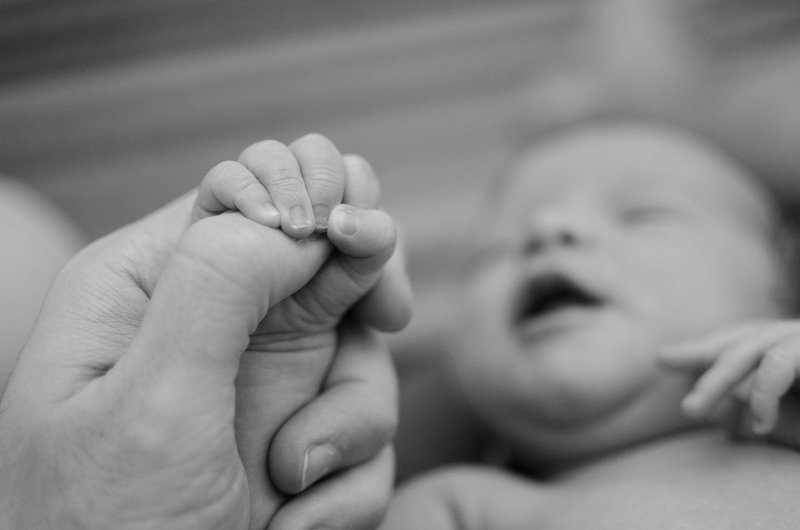

ICMR-NIN study: 77% of Hyderabad children aged 2-7 wary of new foods
 By Simran KaurFashion Writer, Peepals Shakti
Representative image: voltamax / Pixabay
An ICMR-NIN study reported on October 29, 2026 found nearly 77% of 150 Hyderabad children aged 2-7 moderately wary of new foods, linked to mothers' feeding practices.
What Happened
A study by the ICMR-National Institute of Nutrition (NIN) in Hyderabad has found that about three in four young children in a low-income Hyderabad neighbourhood are wary of trying new foods, and that what their mothers know and do at mealtimes is linked to how strong that wariness is. The findings, reported on October 29, 2026, come from a study of 150 mother-child pairs in Addagutta, published in the Journal of Nutritional Science.
Key Facts
- Who: researchers at the ICMR-National Institute of Nutrition, Hyderabad; the lead researcher is Karthikeyan Ramanujam.
- Sample: 150 mother-child pairs from Addagutta, an urban low-income community in Hyderabad, studied between August and October 2025.
- Age group: children aged 2 to 7 years.
- Main finding: nearly 77% of the children showed moderate food neophobia, 11.3% showed high levels and 12% showed low levels, according to reports of the study.
- Mothers' role: children whose mothers had moderate scores for nutrition knowledge, attitudes and feeding practices showed less food neophobia than children whose mothers scored lower.
- Nutrition link: children with wasting, meaning low weight for their height, had higher neophobia scores.
- Boys and girls: boys scored higher on average, but the gap was not statistically significant.
Why It Matters
Food neophobia is the term researchers use for a child's reluctance or refusal to try foods they have not eaten before. Some fussiness is a normal part of growing up, and many children grow out of it. But when it is strong, it can narrow a child's diet to a few familiar items, which can mean too few vegetables, pulses, fruit and protein foods at the very age when a child is growing fastest.
The study matters because most research on picky eating comes from richer countries. This one looks at families in a low-income urban community in India, where a narrow diet can add to existing problems of undernutrition. The reported link between neophobia and wasting is a reminder that, for these families, a child refusing new food is not only a mealtime annoyance; it can be tied to how well the child is growing. The study design does not show which comes first, so it cannot say whether the wariness causes poor growth or the other way round.
The finding on mothers puts the family at the centre of the answer. The study measured mothers' knowledge, attitudes and practices around feeding, often shortened to KAP. Children of mothers with better scores were less fearful of new foods. In most Indian homes, mothers still carry most of the daily work of feeding young children, often alongside paid work and other duties. The researchers' advice is about how food is offered rather than about buying anything new: the lead researcher said caregivers should be encouraged to offer a variety of foods again and again, without pressure.
| Measure | What the study reported |
|---|---|
| Children with moderate neophobia | nearly 77% |
| Children with high neophobia | 11.3% |
| Children with low neophobia | 12% |
| Sample | 150 mother-child pairs, Addagutta, Hyderabad |
| Fieldwork | August to October 2025 |
(The three shares add to just over 100% because the reported figures are rounded.)
The institute's director, Bharati Kulkarni, said existing government programmes such as the Integrated Child Development Services (ICDS), which runs anganwadi centres, and POSHAN Abhiyaan, the national nutrition mission, could be used to strengthen feeding counselling for families. That matters because these programmes already reach mothers of young children through anganwadi workers, so better advice on feeding could be added without building anything new.
Impact
Short-term: The study gives anganwadi workers, health workers and nutrition counsellors evidence that advice on how children are fed, not just what they are fed, should be part of their work with mothers of children under seven.
Long-term: If the findings are confirmed in larger and more varied groups, feeding counselling in ICDS and POSHAN Abhiyaan could include steps to help children accept a wider range of foods early, which may support better nutrition in childhood.
Who is affected: Parents and grandparents of young children, especially mothers in low-income urban families; anganwadi and health workers; and the planners of child nutrition programmes. The study covered one community, so its numbers may not apply to all of India.
Key Takeaway
An ICMR-NIN study of 150 mother-child pairs in Hyderabad found that nearly 77% of children aged 2 to 7 were moderately wary of new foods, and that mothers' feeding knowledge and practices were linked to how strong that wariness was.
Questions and Answers
What is food neophobia in children?
Food neophobia is a child's reluctance or refusal to try foods they have not eaten before. It is common in young children, but strong neophobia can limit how varied their diet is.
What did the ICMR-NIN food neophobia study find?
The ICMR-National Institute of Nutrition study of 150 mother-child pairs in Addagutta, Hyderabad, found that nearly 77% of children aged 2 to 7 had moderate food neophobia and 11.3% had high levels, and that children whose mothers had better feeding knowledge and practices were less wary of new foods.
What do the researchers suggest parents do?
The lead researcher, Karthikeyan Ramanujam, said caregivers should be encouraged to offer a variety of foods repeatedly and without pressure. This is general guidance from the study, not personal medical advice; parents worried about a child's eating or growth should consult a doctor or their anganwadi worker.
Does the study apply to all Indian children?
Not necessarily. It covered 150 families in one low-income urban community in Hyderabad, studied at one point in time, so it shows links rather than causes, and larger studies would be needed to say how common food neophobia is across India.
Disclaimer: Prepared by the Peepals newsroom from publicly available sources with AI assistance. Information is accurate to the best of our knowledge at the time of publication and may change. Images may be representative. Not professional advice. Report an error via our contact page.
By Simran Kaur, Fashion WriterCovers Fashion and more for Peepals Shakti. All stories by Simran Kaur
Get the day's stories in your inbox
Peepals Weekly: the week decoded, free. One email a week, unsubscribe in one click.
Simran Kaur is a pen name of the Peepals Global Editorial Team, which researches, fact-checks and publishes every story. The portrait is an illustration.