
Six in 10 US parents feel sensory overload, Lurie Children's survey finds
 By Priya NairLeadership & Growth Editor, Peepals Shakti

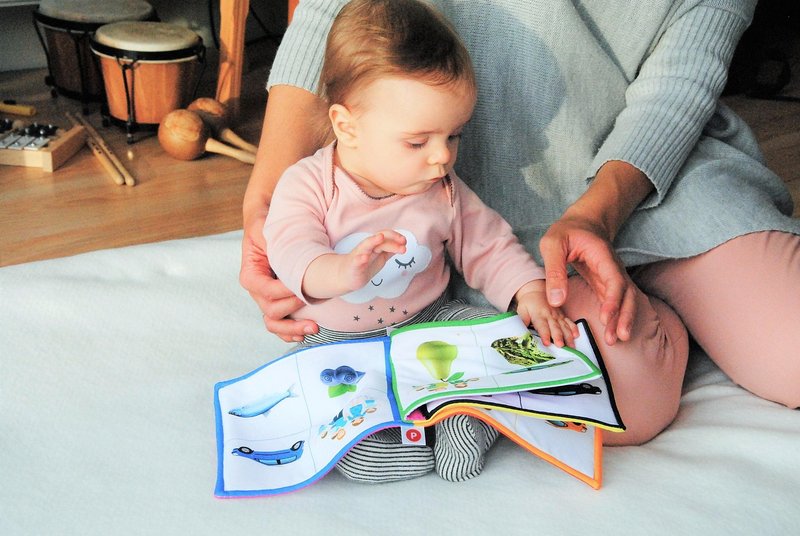
Representative image: congerdesign / Pixabay
A Lurie Children's Hospital survey of 1,000 US parents, reported on October 26, 2026, found six in 10 feel sensory overload, rising to 70% with a child under five.
What Happened
Six in 10 parents in the United States say they experience sensory overload while raising their children, according to a national survey by Ann & Robert H. Lurie Children's Hospital of Chicago reported on Monday, October 26, 2026. The hospital surveyed 1,000 parents for its Voices of Child Health report series. Parents of children under five were the most affected: 70 per cent of them reported feeling overstimulated, against 56 per cent of parents whose children were all aged six or older.
Key Facts
- The survey covered 1,000 parents across the United States and was led by Marie Heffernan of Lurie Children's Hospital of Chicago.
- About 60 per cent of parents said they experience sensory overload, a state in which noise, mess and constant demands feel like more than the mind can process at once.
- Home was the most common place for it (54 per cent), followed by stores (30 per cent) and the car (27 per cent).
- The most common trigger was children arguing with the parent or whining, named by 70 per cent; siblings fighting, loud noise, constant talking and clutter were also listed.
- In homes with at least one child under five, 70 per cent of parents reported overstimulation; the figure was 56 per cent where all children were six or older.
- A separate 2025 survey by the same hospital, limited to Illinois, had found close to three in four parents there reporting sensory overload, with city parents (75 per cent) more affected than rural parents (55 per cent).
Why It Matters
Sensory overload is not a medical diagnosis. It describes the moment when sounds, touch, movement and requests pile up faster than a person can sort them, leaving them irritable, tense or wanting to escape. Parents of small children meet this almost daily: a toddler crying, a sibling shouting, a phone ringing and a pan on the stove, all at once. The survey's value is that it puts a number on something many parents feel but rarely name, and shows it is the common experience rather than a personal failing. Marie Heffernan, the senior author, said the results show the feeling is very common among parents in the country.
The findings also point to where the pressure sits. More than half of the overload happens inside the home, which is meant to be the place of rest. The leading trigger is not outside noise but the family's own interactions: arguing, whining and siblings fighting. That makes it a question of how a household runs, who carries the daily load, and whether a parent ever gets a break, not only a question of tolerance.
For families anywhere, including in India, the lesson travels. Many Indian homes are busy and shared, with young children, working parents and often grandparents under one roof. That can mean more hands to help, but also more noise and more demands landing on one person, often the mother. The survey does not cover India, and its numbers should not be applied directly to Indian families. What it offers is a frame: when one parent is the default responder to every cry and quarrel, overload becomes likely, and sharing that role is one practical response.
Coverage of the hospital's earlier Illinois study, published in 2025, pointed to downtime, a calm corner and pacing one's energy through the day as ways some parents manage. These are simple measures rather than treatments, and the survey itself does not test them.
| Survey | Where | Parents reporting sensory overload |
|---|---|---|
| Lurie Children's national survey, 2026 | United States, 1,000 parents | About 60% |
| Same survey, homes with a child under 5 | United States | 70% |
| Same survey, homes with children 6 and older | United States | 56% |
| Lurie Children's Illinois survey, 2025 | Illinois only | Close to 75% |
Impact
Short-term: The figures give parents, paediatricians and family counsellors a shared, measured way to talk about overstimulation. Parents who feel worn down by noise and conflict at home can see that the experience is widespread.
Long-term: If the pattern holds in further research, family-support programmes may begin to treat parental overload as part of child health, since a calmer parent is better able to respond to a child. Workplaces and schools that shape family schedules may also pay more attention to the strain of the busiest hours of the day.
Who is affected: Parents of young children most of all, especially the parent who handles most daily care; children, whose home atmosphere depends on how parents cope; and paediatric and family-health services that support them.
Key Takeaway
A 1,000-parent national survey by Lurie Children's Hospital found that six in 10 US parents feel sensory overload, mostly at home and mostly set off by children arguing or whining, with parents of under-fives hit hardest.
Questions and Answers
What did the Lurie Children's Hospital survey on sensory overload find?
In a national survey of 1,000 US parents reported on October 26, 2026, about six in 10 said they experience sensory overload. It was most common at home (54 per cent), and 70 per cent of parents with a child under five reported it.
What are the most common triggers of sensory overload for parents?
Children arguing with the parent or whining was the top trigger, named by 70 per cent of parents. Siblings fighting, loud noise, constant talking and clutter were also among the main causes.
Is sensory overload a mental illness?
No. It is a description of feeling overwhelmed when too many sounds, sights and demands arrive at once. It is common and usually passes, though a parent who feels constantly overwhelmed or low should speak to a doctor.
Does the survey apply to parents in India?
The survey covered only parents in the United States, so its percentages cannot be applied to India. Its broader point, that daily family noise and conflict can overwhelm the parent who handles most care, is relevant to families everywhere.
Disclaimer: Prepared by the Peepals newsroom from publicly available sources with AI assistance. Information is accurate to the best of our knowledge at the time of publication and may change. Images may be representative. Not professional advice. Report an error via our contact page.
By Priya Nair, Leadership & Growth EditorCovers Leadership & Growth and more for Peepals Shakti. All stories by Priya Nair
Get the day's stories in your inbox
Peepals Weekly: the week decoded, free. One email a week, unsubscribe in one click.
Priya Nair is a pen name of the Peepals Global Editorial Team, which researches, fact-checks and publishes every story. The portrait is an illustration.