
Care and Support Day: unpaid family care keeps 708 million women out
 By Vikram JoshiLife Balance Correspondent, Peepals Shakti
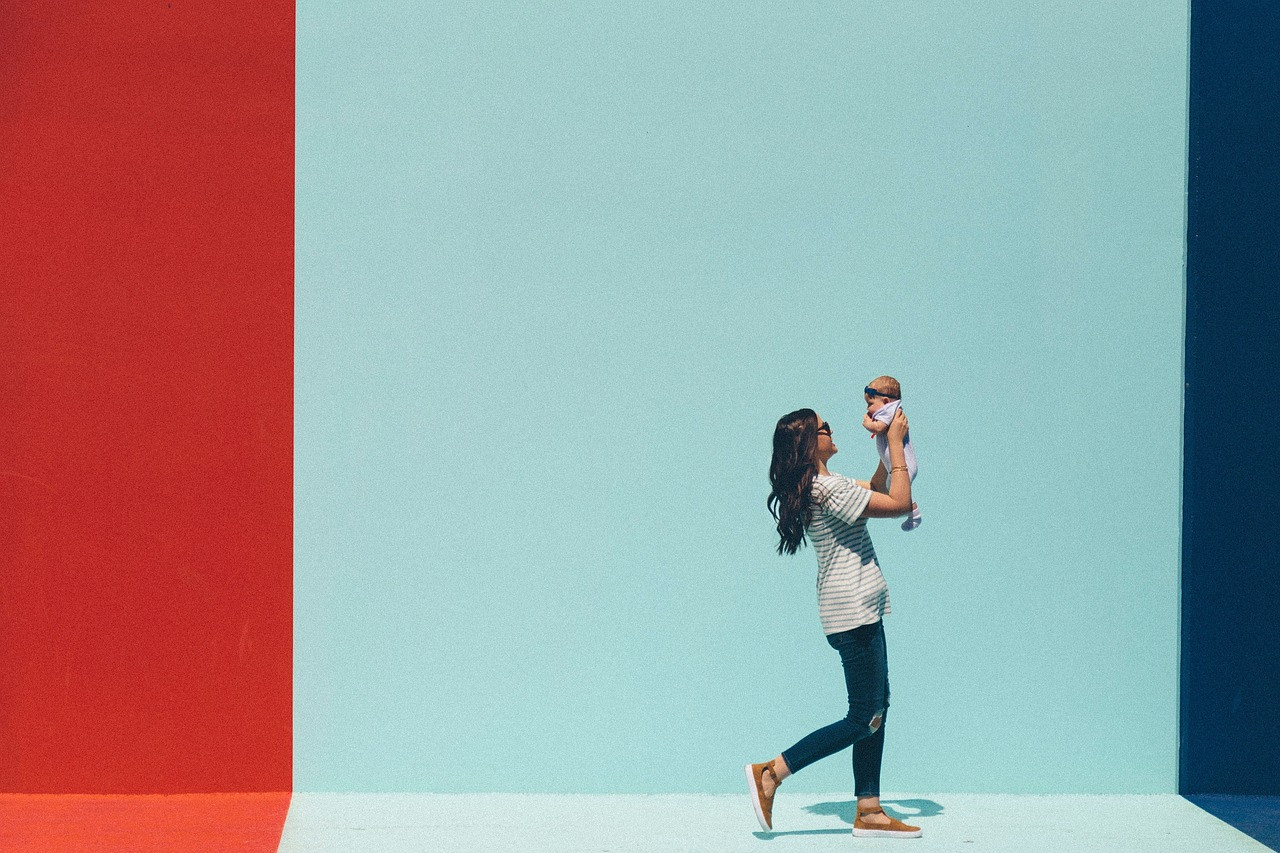
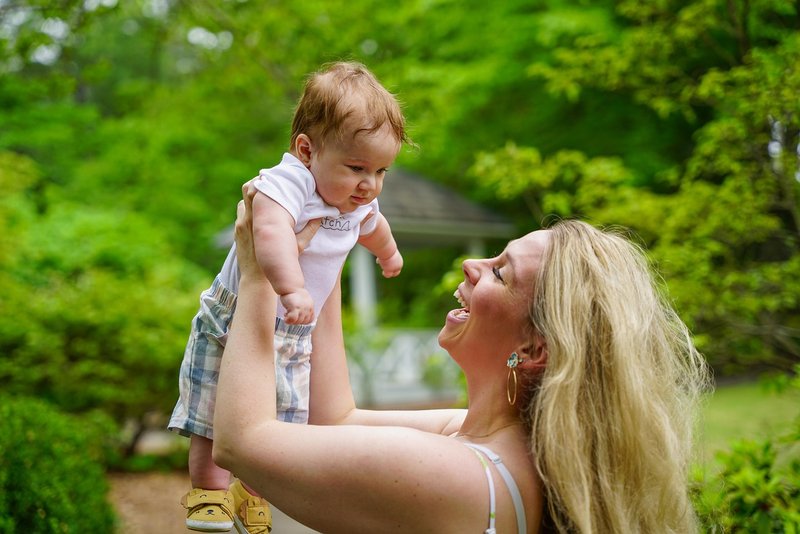
Representative image: StockSnap / Pixabay
The UN's International Day of Care and Support falls on October 29, 2026; ILO data show unpaid care keeps 708 million women outside the labour force.
What Happened
The world marks the International Day of Care and Support on Thursday, October 29, 2026, a United Nations observance that draws attention to the paid and unpaid work of looking after children, older people and the sick, most of which is done by women within families. The International Labour Organization (ILO) is holding a commemoration in Geneva on the day, focused on how investment in rights-based care systems can improve conditions for care workers, according to the UN's observance page. The day comes as ILO estimates show that 708 million women worldwide are outside the labour force because of unpaid care responsibilities.
Key Facts
- Date: October 29 every year; in 2026 it falls on a Thursday.
- Established by: the United Nations General Assembly, which invites governments and other groups to observe it annually.
- ILO event: a commemoration in Geneva, Switzerland, on October 29, 2026, on investing in rights-based care systems.
- Related event: Public Services International, the global union of public-service workers, held a webinar on the health and care workforce on October 28.
- ILO estimate: 748 million people aged 15 or older were outside the labour force in 2023 because of care duties; 708 million of them were women and 40 million men.
- Among the roughly 1.6 billion women outside the labour force, 45 per cent cite care responsibilities, compared with 5 per cent of men outside the labour force, the ILO found.
- The estimates are based on data from 125 countries.
Why It Matters
Every family runs on care: feeding and bathing a baby, helping a child with homework, taking an elderly parent to the doctor, sitting up with someone who is ill. Because this work happens at home and is unpaid, it rarely appears in economic numbers, and it is easy to treat it as something that simply gets done. The International Day of Care and Support exists to make it visible, and to ask who does it, at what cost, and with what help.
The ILO's numbers answer the first question clearly. Women are far more likely than men to stay out of paid work because someone at home needs looking after. Care responsibilities are the main reason women give for not being in the labour force, while men outside the labour force more often cite education or health. That gap shapes family life: it affects household income, women's savings and pensions, and how much say they have in family decisions.
For families, the day is also a prompt to see care as a shared job rather than one person's duty. UN Women's material for the day carries the message that care work "keeps the world running". The ILO's own focus this year, on investing in care systems, points to what can lighten the load at home: creches, elder-care services and leave policies that let both partners share care, so that women are less often forced to choose between family and paid work.
For Indian readers the question is practical. Joint and nuclear families alike look after young children and ageing parents at home, and the ILO's global finding that this work falls mostly on women is a useful lens for family decisions. How India builds childcare, elder care and leave policies will shape how that load is shared.
| ILO estimate (2023) | People outside the labour force due to care |
|---|---|
| Women | 708 million |
| Men | 40 million |
| Total | 748 million |
Impact
Short-term: Governments, unions and international bodies will use October 29 to publish data and hold events, including the ILO's Geneva commemoration, keeping care work in public debate.
Long-term: Countries that invest in childcare, elder care and fair pay for care workers can bring more women into paid work and ease the pressure on families. Where care stays unpaid and unshared, the gap between women's and men's work and income is likely to persist.
Who is affected: Mothers and other women who care for children and elders at home; paid care workers such as nurses, nannies and home attendants; working couples sharing family duties; and older people and children who depend on care.
Key Takeaway
The International Day of Care and Support on October 29, 2026 highlights that unpaid family care keeps 708 million women out of the labour force worldwide, according to the ILO.
Questions and Answers
When is the International Day of Care and Support 2026?
It is observed on Thursday, October 29, 2026. The United Nations General Assembly set up the day, which is marked every year on October 29, to raise awareness of paid and unpaid care work.
How many women are kept out of paid work by care duties?
According to ILO estimates for 2023, 708 million women worldwide were outside the labour force because of unpaid care responsibilities, out of 748 million people in total. Only 40 million men were outside the labour force for the same reason.
What is the ILO doing on October 29, 2026?
The ILO is holding a commemoration in Geneva on October 29, 2026, focused on how investment in rights-based care systems can improve working conditions for care workers, according to the UN's observance page.
What does the day mean for families?
It is a reminder that caring for children, elders and the sick is real work, and that it can be shared between partners and supported by services such as creches and elder care. The ILO's Geneva event this year focuses on investment in care systems.
Disclaimer: Prepared by the Peepals newsroom from publicly available sources with AI assistance. Information is accurate to the best of our knowledge at the time of publication and may change. Images may be representative. Not professional advice. Report an error via our contact page.
By Vikram Joshi, Life Balance CorrespondentCovers Life Balance and more for Peepals Shakti. All stories by Vikram Joshi
Get the day's stories in your inbox
Peepals Weekly: the week decoded, free. One email a week, unsubscribe in one click.
Vikram Joshi is a pen name of the Peepals Global Editorial Team, which researches, fact-checks and publishes every story. The portrait is an illustration.