
Mothers get nearly eight times fathers' paid leave, UN Women brief finds
 By Priya NairLeadership & Growth Editor, Peepals Shakti
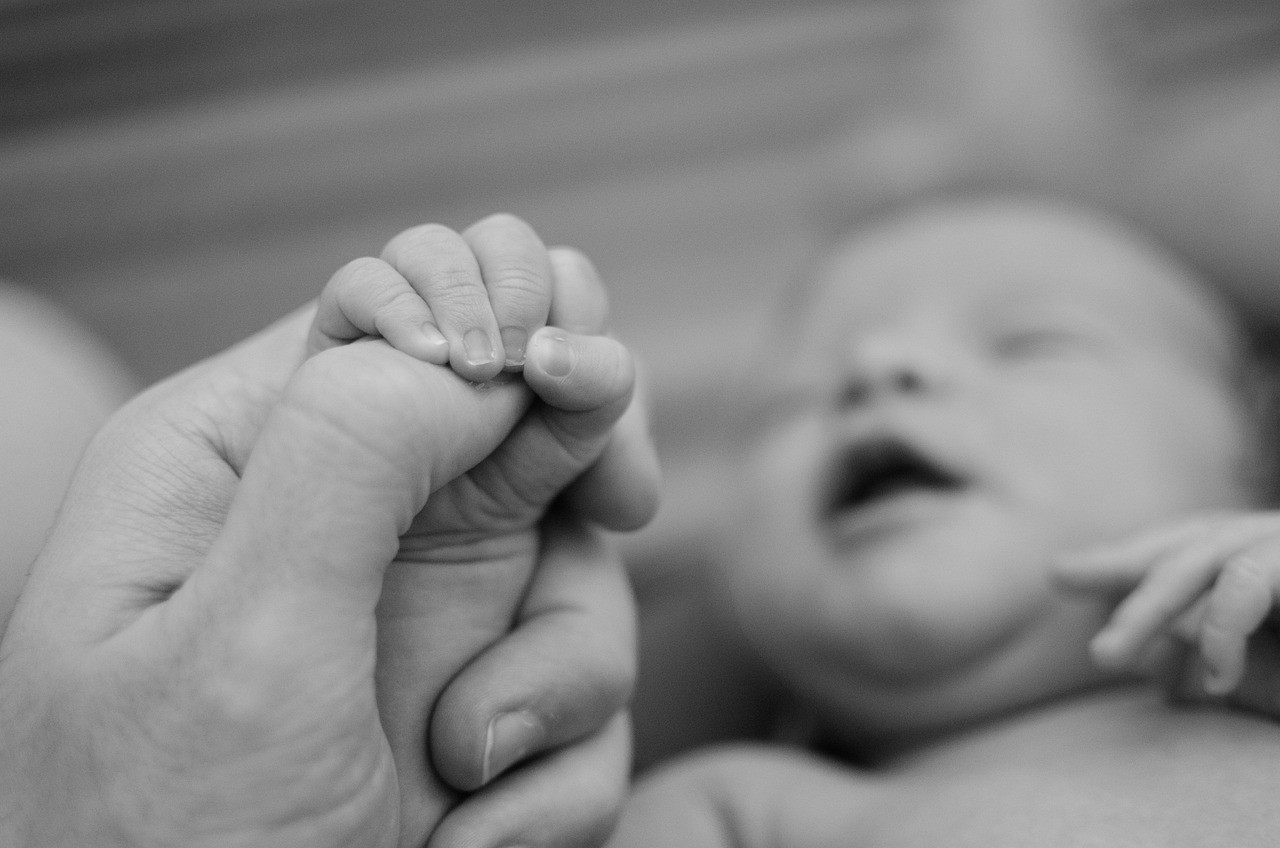
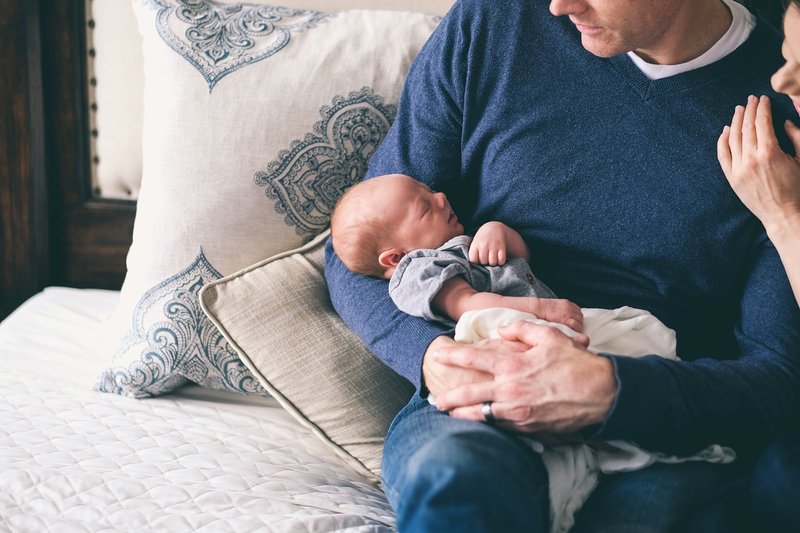
Representative image: trestletech / Pixabay
A UN Women and World Bank brief released on October 22, 2026 finds mothers average 196 days of paid leave and fathers 25; 66 economies give fathers none.
What Happened
Mothers around the world are entitled to nearly eight times as much paid leave as fathers, according to a policy brief released by UN Women and the World Bank Group on Thursday, October 22, 2026. The brief, titled "From Parenthood Leave to Childcare Services", finds that across 190 economies mothers receive an average of 196 days of paid leave while fathers receive 25, and that 66 economies guarantee fathers no paid leave at all.
Key Facts
- The brief is a joint publication of UN Women and the World Bank Group and draws on data from the World Bank's Women, Business and the Law project, which covers 190 economies.
- On average, mothers are entitled to 196 days of paid leave and fathers to 25 days, a gap of nearly eight to one.
- 66 economies guarantee no paid leave for fathers, compared with six that guarantee none for mothers.
- Of the 124 economies that do give fathers paid leave, half offer less than two weeks.
- 61 economies, nearly one-third of the total, give mothers less than the 14 weeks of maternity leave recommended by the International Labour Organization.
- The brief notes that women spend 2.5 times as many hours a day as men on unpaid care work.
Why It Matters
The brief treats leave for fathers as a family issue, not only a workplace benefit. According to UN Women, when fathers take leave they go on to share more of the childcare and housework over the longer term, and paternity leave is associated with higher earnings and employment for mothers.
For Indian families, the findings land on a familiar pattern. India's central government employees are entitled to 15 days of paid paternity leave under Rule 43-A of the Central Civil Services (Leave) Rules, 1972, which can be taken before or within six months of a child's birth or adoption. For fathers in the private sector there is no legal entitlement, and any leave depends on the employer's own policy. The World Bank's 2024 Women, Business and the Law snapshot for India recorded "No" against paid leave for fathers and paid parental leave, reflecting that gap in national law.
The question is already before Indian lawmakers. A private member's bill, the Paternity and Parental Benefit Bill, 2025, introduced by Member of Parliament Supriya Sule, proposes eight weeks of paid paternity leave and eight weeks of shared, flexible parental leave; it has not been passed. Earlier attempts, including a Paternity Benefit Bill in 2017, also did not become law. On March 17, 2026, the Supreme Court urged that paternity leave be legislated, in a ruling on maternity leave for adoptive mothers.
The brief's wider message is that leave alone is not enough. As its title suggests, it links parenthood leave with childcare services, arguing that families need support that continues after the leave ends so that both parents can stay in work.
| Measure | What the brief found |
|---|---|
| Average paid leave for mothers | 196 days |
| Average paid leave for fathers | 25 days |
| Economies with no paid leave for fathers | 66 |
| Economies with no paid leave for mothers | 6 |
| Economies below the ILO's 14-week maternity standard | 61 |
Impact
Short-term: The brief gives governments, employers and campaigners one comparable set of global numbers to point to. In India, companies reviewing their policies can see how far short a few days of paternity leave falls of the global average, and parents can see where their own entitlements stand.
Long-term: If more countries follow the brief's evidence and give fathers longer, paid leave, care at home may be shared more evenly from the start, which the brief links to better job prospects for mothers. In India, any progress depends on whether Parliament takes up paternity leave for private-sector workers, as proposed in the pending private member's bill.
Who is affected: New and expecting parents, especially mothers who carry most of the unpaid care; fathers in the private sector with no legal right to leave; employers setting leave policies; and governments that fund parental leave and childcare.
Key Takeaway
A UN Women and World Bank brief released on October 22, 2026 finds mothers get 196 days of paid leave on average against 25 for fathers, with 66 economies giving fathers none.
Questions and Answers
How much paid leave do mothers get compared with fathers worldwide?
According to the UN Women and World Bank brief released on October 22, 2026, mothers in 190 economies are entitled to an average of 196 days of paid leave, while fathers get 25 days, nearly eight times less.
How many countries give fathers no paid leave?
The brief finds that 66 economies guarantee no paid leave for fathers, compared with six that give none to mothers. Of the 124 economies that do offer fathers paid leave, half give less than two weeks.
Do fathers in India get paid paternity leave?
Central government employees get 15 days of paid paternity leave under Rule 43-A of the Central Civil Services (Leave) Rules, 1972. Private-sector fathers have no legal entitlement; it depends on the employer. A private member's bill proposing eight weeks has not been passed.
Why does paternity leave matter for mothers?
UN Women says that when fathers take leave they share more childcare and housework over the longer term, and that paternity leave is associated with higher earnings and employment for mothers.
Disclaimer: Prepared by the Peepals newsroom from publicly available sources with AI assistance. Information is accurate to the best of our knowledge at the time of publication and may change. Images may be representative. Not professional advice. Report an error via our contact page.
By Priya Nair, Leadership & Growth EditorCovers Leadership & Growth and more for Peepals Shakti. All stories by Priya Nair
Iliana Iotova leads Bulgaria vote, one step from first elected woman president
ADHD medicines eased menopause brain fog in women's own ratings, review finds
Priya Nair is a pen name of the Peepals Global Editorial Team, which researches, fact-checks and publishes every story. The portrait is an illustration.