
Self-respect marriage explained after Anirudh Ravichander, Kaviya Maran wedding
 By Priya NairStaff Writer, Peepals Shakti
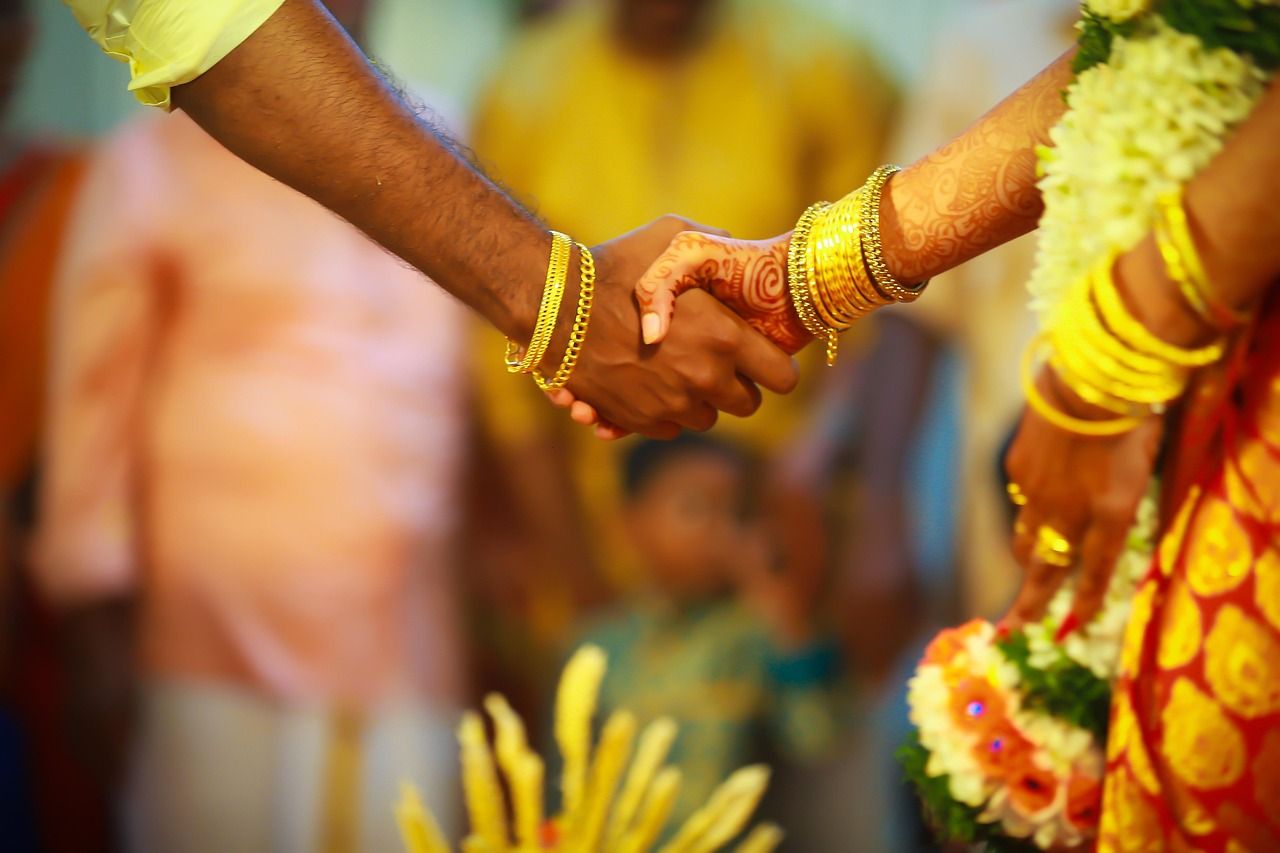
Representative image: anoop1992 / Pixabay
Anirudh Ravichander and Kaviya Maran's 11 November 2026 wedding in Athens followed the self-respect tradition, a priest-free marriage recognised by Tamil Nadu law since 1967.
Anirudh Ravichander Kavya Maran Wedding: what happened
Music composer Anirudh Ravichander married Kaviya Maran, co-owner of the Sunrisers Hyderabad cricket team, in Athens, Greece, on Wednesday, 11 November 2026, a day after their engagement. The small ceremony followed the self-respect marriage tradition, which does away with priests and elaborate rituals, and was attended by actor Rajinikanth and Tamil Nadu political leader M.K. Stalin, among others. The choice has drawn attention to a form of marriage that Tamil Nadu has recognised in law for nearly six decades.
Anirudh Ravichander Kavya Maran Wedding: key facts
- Wedding: Anirudh Ravichander and Kaviya Maran, Athens, Greece, Wednesday, 11 November 2026; engagement on 10 November.
- Format: self-respect marriage, known in Tamil as suyamariyathai thirumanam.
- What it means: a marriage between two Hindus for which a priest is not needed.
- The law: Section 7A of the Hindu Marriage Act, added by the Hindu Marriage (Tamil Nadu Amendment) Act, 1967.
- How it is done: such marriages are solemnised in the presence of relatives, friends or other persons.
- Registration: compulsory in Tamil Nadu, but the Supreme Court has held that failing to register does not make such a marriage invalid.
- Advocates: the Supreme Court has also held that advocates may solemnise these marriages only in a personal capacity, as a friend or relative of the couple.
- Where it applies: Section 7A is a Tamil Nadu amendment; some legal guides say Puducherry has a similar provision.
Anirudh Ravichander Kavya Maran Wedding: why it matters
Most Hindu weddings in India follow religious rites, and the Hindu Marriage Act recognises marriages performed according to the customary ceremonies of either party. The self-respect movement in Tamil Nadu challenged the idea that a priest and elaborate rituals were needed to make a marriage valid, and Tamil Nadu's 1967 amendment gave that view legal force. A marriage built on the couple's own declaration in front of people who matter to them, rather than on ritual, is the core of the idea.
For families, the format raises practical questions as much as cultural ones. Couples may choose it for different reasons, such as wanting a simpler, smaller wedding or preferring not to follow rituals they do not believe in. Parents and elders who are used to traditional ceremonies may need time to accept the change. The law, however, is clear: in Tamil Nadu, a self-respect marriage is as valid as any other Hindu marriage.
A wedding abroad adds a legal wrinkle. Because Section 7A is a state amendment for Tamil Nadu, coverage of this wedding has asked whether a self-respect marriage held outside India can automatically claim recognition under it. The sources reviewed do not settle that question, and couples planning a similar wedding overseas would be wise to take legal advice and complete registration properly.
For women in particular, registration matters. A registered marriage is the simplest proof of a wife's legal status for maintenance, inheritance, visas and other rights, even though the Supreme Court has said non-registration does not by itself make a self-respect marriage invalid.
Peepals timeline: Tamil Nadu gave self-respect marriages legal recognition through the Hindu Marriage (Tamil Nadu Amendment) Act, 1967, which added Section 7A to the Hindu Marriage Act. The Supreme Court later clarified that registration is compulsory but non-registration does not void such a marriage, and that advocates may solemnise these weddings only in a personal capacity. On 10 November 2026 Anirudh Ravichander and Kaviya Maran were engaged, and on 11 November they married in Athens in the self-respect tradition, putting the 59-year-old provision (2026 − 1967) back in the news.
Anirudh Ravichander Kavya Maran Wedding: impact
Short-term: The wedding has made many young couples and families search for what a self-respect marriage involves and whether it suits them.
Long-term: High-profile examples may make simpler, priest-free weddings more acceptable to families who see them as a modern, lower-cost choice that is still legally valid.
Who is affected: Couples planning weddings, especially in Tamil Nadu; families weighing tradition against simplicity; women, whose legal rights depend on a properly recognised and registered marriage; and lawyers advising on weddings held abroad.
Anirudh Ravichander Kavya Maran Wedding: key takeaway
If you are considering a self-respect marriage, especially one held outside Tamil Nadu or abroad, register it properly and take legal advice on recognition before the ceremony.
Anirudh Ravichander Kavya Maran Wedding: questions and answers
What is a self-respect marriage?
It is a form of marriage between two Hindus, recognised under Section 7A of the Hindu Marriage Act in Tamil Nadu, that does not need a priest and is solemnised in the presence of relatives, friends or other persons.
When did Anirudh Ravichander and Kaviya Maran get married?
They married in Athens, Greece, on 11 November 2026, a day after their engagement, in the self-respect tradition.
Is registration compulsory for a self-respect marriage?
Registration is compulsory in Tamil Nadu, but the Supreme Court has held that a self-respect marriage is not invalid only because it was not registered.
Can a lawyer conduct a self-respect marriage?
According to the Supreme Court, an advocate may solemnise such a marriage only in a personal capacity, as a friend or relative of the couple, not professionally.
Disclaimer: Prepared by the Peepals newsroom from publicly available sources with AI assistance. Information is accurate to the best of our knowledge at the time of publication and may change. Images may be representative. Not professional advice. Report an error via our contact page.
By Priya Nair, Staff WriterCovers Leadership & Growth and more for Peepals Shakti. All stories by Priya Nair
HIM brand: Ranveer Singh, Aman Gupta launch men's grooming at Rs 299-899
Irregular sleep schedule linked to depression, anxiety in 23,000-person UCSF study
Your week ahead, every Sunday. Free.
Exam and result dates, IPOs opening, scheme deadlines, government holidays and the RBI decision for the next 7 days, plus the week's top stories. One email a week, unsubscribe in one click.
Priya Nair is a pen name of the Peepals Global Editorial Team, which researches, fact-checks and publishes every story. The portrait is an illustration.
Responsible for this story: the Peepals Global Editorial Team, led by editor Prashant Sonar. How we report