
Semicon 2.0 portal opens; 12 ECMS projects worth Rs 7,503 crore approved
 By Arjun MehtaSenior Business Editor, Peepals Business
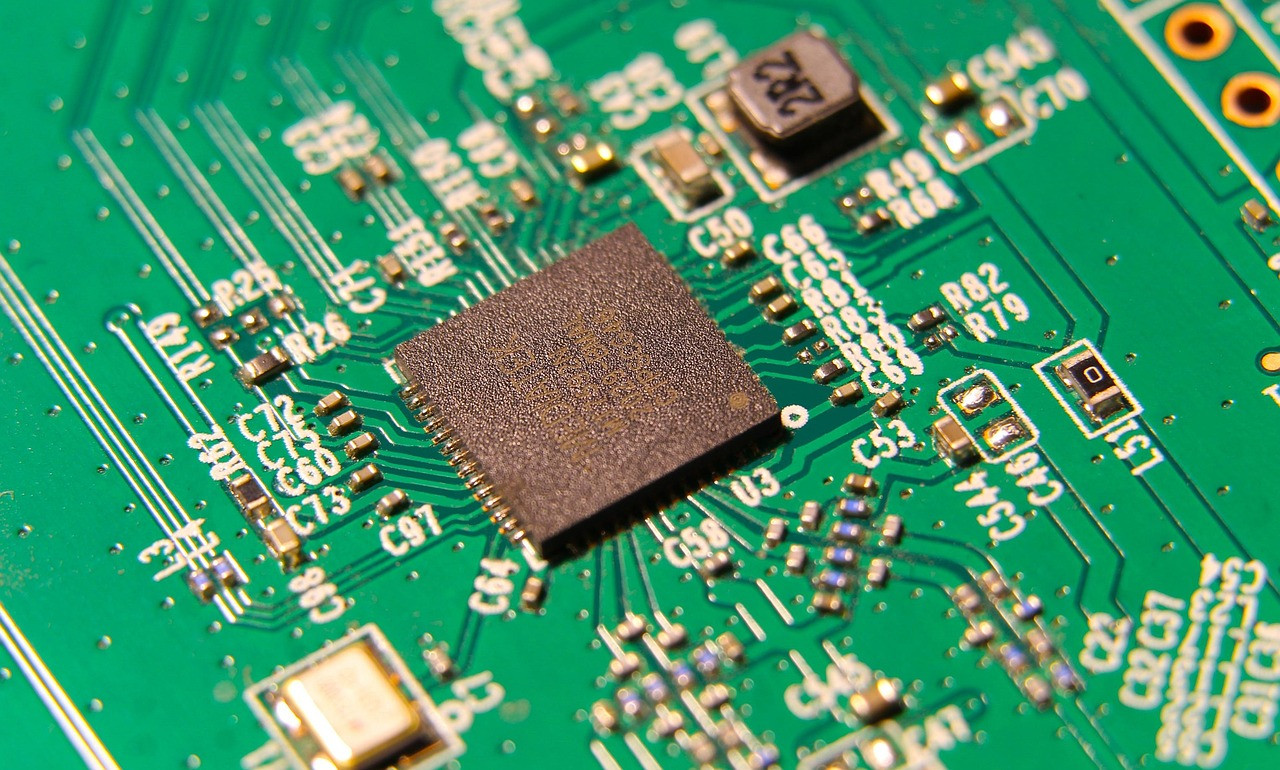
Representative image: gosiak1980 / Pixabay
Ashwini Vaishnaw launched the Semicon 2.0 portal on 6 November 2026 and approved 12 ECMS projects worth Rs 7,503 crore, expected to create 7,127 direct jobs.
What Happened
Union Electronics and IT Minister Ashwini Vaishnaw on Friday, 6 November 2026, launched the Semicon 2.0 web application portal and announced the approval of 12 more projects under the Electronics Components Manufacturing Scheme (ECMS), according to the Press Information Bureau. The 12 projects carry a projected investment of Rs 7,503 crore, are expected to produce goods worth Rs 39,045 crore and to create 7,127 direct jobs. They are spread across Gujarat, Karnataka, Madhya Pradesh, Maharashtra, Punjab, Tamil Nadu and Uttar Pradesh. The new portal opens applications for three further parts of the Semicon 2.0 programme: semiconductor equipment and materials, additional chip fabrication plants, and the expansion of chip assembly and testing units.
Key Facts
- Portal: Semicon 2.0 web application portal, launched on Friday, 6 November 2026, opening applications for Pillars 2, 3 and 4 of the programme.
- What it covers: semiconductor equipment and materials, more fabrication plants (fabs), and expansion of assembly, testing, marking and packaging (ATMP) and outsourced semiconductor assembly and test (OSAT) units.
- ECMS approvals: 12 projects with a projected investment of Rs 7,503 crore.
- Expected output: production worth Rs 39,045 crore and 7,127 direct jobs.
- States: Gujarat, Karnataka, Madhya Pradesh, Maharashtra, Punjab, Tamil Nadu and Uttar Pradesh.
- Examples: multi-layer printed circuit boards (NeST ICELR), relays (TDConnex, Chennai), heat sinks (Modern Automotives) and specialty ceramics (Voltix Semicon).
- Programme size: the Cabinet approved Semicon 2.0 with an outlay of Rs 1,27,500 crore under the India Semiconductor Mission.
Why It Matters
India has spent the past few years attracting chip fabrication and packaging plants, but a semiconductor industry needs far more than the plants themselves. It needs the materials, gases and chemicals that go into chips, the machines that make them and the many small components, from circuit boards to ceramics, that go into every electronic product. The government has said it wants to reduce dependence on imported materials and equipment, and Semicon 2.0 and the ECMS are its tools for that.
The 12 ECMS approvals are a direct example. A multi-layer printed circuit board is the base on which almost every phone, laptop and car control unit is built. Relays and heat sinks go into power systems, vehicles and industrial machines. Specialty ceramics are used in components that must handle heat and high voltages. Making these at home shortens supply chains for electronics assemblers and reduces the risk of disruption when imports are delayed.
The portal launch matters for companies further up the chain. By opening Pillars 2, 3 and 4, the government is inviting applications for equipment and materials makers, more fabs and bigger packaging plants. Those are the most capital-heavy parts of the industry, and the size of the response will show how much private and foreign investment the second phase can draw.
The projects are spread across seven states, from Punjab in the north to Tamil Nadu in the south. For local suppliers, logistics firms and training institutes in these states, the approvals are a chance to join supply chains that were once almost entirely overseas.
Peepals calculation: the 12 projects plan about Rs 1.05 crore of investment for each direct job (7,503 / 7,127 ≈ 1.05). Expected production of Rs 39,045 crore is about 5.2 times the investment (39,045 / 7,503 ≈ 5.20). The Rs 7,503 crore of private investment equals about 5.9% of Semicon 2.0's Rs 1,27,500 crore government outlay (7,503 / 1,27,500 ≈ 0.059), though the two are different kinds of money. Our calculation from the reported figures.
| Measure | Figure |
|---|---|
| Projects approved under ECMS | 12 |
| Projected investment | Rs 7,503 crore |
| Expected production | Rs 39,045 crore |
| Direct jobs | 7,127 |
| Semicon 2.0 outlay | Rs 1,27,500 crore |
Impact
Short-term: Equipment makers, materials suppliers and chip companies can now apply under Semicon 2.0's Pillars 2, 3 and 4 through the new portal, while the 12 approved component makers move towards building their units.
Long-term: If the projects are built as planned, India will make more of the components and materials that its electronics and chip factories now import, strengthening the domestic supply chain.
Who is affected: Electronics component makers, chip and packaging companies, equipment and materials suppliers, workers in the seven states named, and electronics brands that buy these components.
Key Takeaway
The Centre has opened Semicon 2.0 applications for equipment, materials, fabs and packaging and approved 12 component projects worth Rs 7,503 crore that are expected to create 7,127 direct jobs.
Questions and Answers
What is the Semicon 2.0 portal?
It is the online application portal launched by Ashwini Vaishnaw on 6 November 2026 for Pillars 2, 3 and 4 of Semicon 2.0, covering semiconductor equipment and materials, additional fabs and expansion of chip assembly and testing units.
How many ECMS projects were approved on 6 November 2026?
Twelve, with a projected investment of Rs 7,503 crore, expected production of Rs 39,045 crore and 7,127 direct jobs.
Which states will host the new electronics component projects?
Gujarat, Karnataka, Madhya Pradesh, Maharashtra, Punjab, Tamil Nadu and Uttar Pradesh.
How big is the Semicon 2.0 programme?
The Cabinet approved it with a financial outlay of Rs 1,27,500 crore under the India Semiconductor Mission.
Disclaimer: Prepared by the Peepals newsroom from publicly available sources with AI assistance. Information is accurate to the best of our knowledge at the time of publication and may change. Images may be representative. Not professional advice. Report an error via our contact page.
By Arjun Mehta, Senior Business EditorCovers Start-ups & Opportunities and more for Peepals Business. All stories by Arjun Mehta
T-Therapeutics raises $133 million; J&J, Lilly back TCR cancer drugs
Abhyudaya Co-operative Bank: RBI keeps board superseded for another year
Get the day's stories in your inbox
Peepals Weekly: the week decoded, free. One email a week, unsubscribe in one click.
Arjun Mehta is a pen name of the Peepals Global Editorial Team, which researches, fact-checks and publishes every story. The portrait is an illustration.