
Vanessa Trump says she is cancer-free; what it means for screening
 By Vikram JoshiLife Balance Correspondent, Peepals Shakti
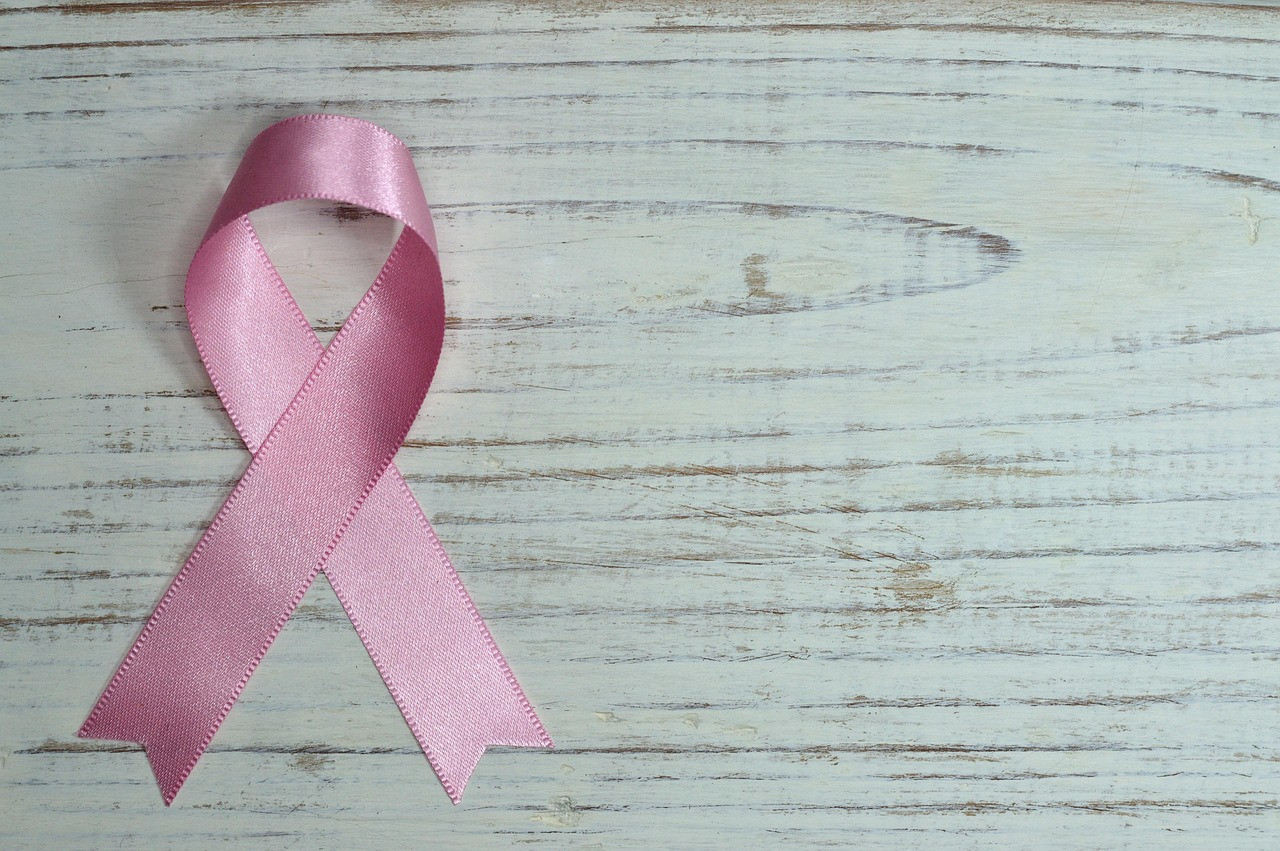
Representative image: padrinan / Pixabay
Vanessa Trump, 48, said in October 2026 that she is cancer-free six months after a breast cancer diagnosis; in India, only 0.9% of women aged 30 to 49 have had a breast exam.
What Happened
Vanessa Trump, the former daughter-in-law of US President Donald Trump, has said she is cancer-free, about six months after she was diagnosed with breast cancer. In an Instagram video reported on October 23 and 24, 2026, during Breast Cancer Awareness Month, the 48-year-old appeared with her daughter Kai and Dr Nicole Saphier and said her results "came back clear, so I'm finally cancer-free". She was diagnosed in April 2026 and disclosed the illness publicly in May. Reports say her treatment included a lumpectomy, an operation to remove the tumour, though accounts differ on the later stages of treatment.
Key Facts
- Who: Vanessa Trump, 48.
- Announcement: an Instagram video reported on October 23 and 24, 2026, with her daughter Kai and Dr Nicole Saphier.
- Her words: her results "came back clear, so I'm finally cancer-free".
- Timeline: diagnosed in April 2026, disclosed in May, declared cancer-free about six months later.
- Treatment: included a lumpectomy; reports differ on what followed.
- Timing: the news came during October, Breast Cancer Awareness Month.
- India context: the National Family Health Survey-5 (2019-21) found only 0.9% of Indian women aged 30 to 49 had undergone a clinical breast examination.
Why It Matters
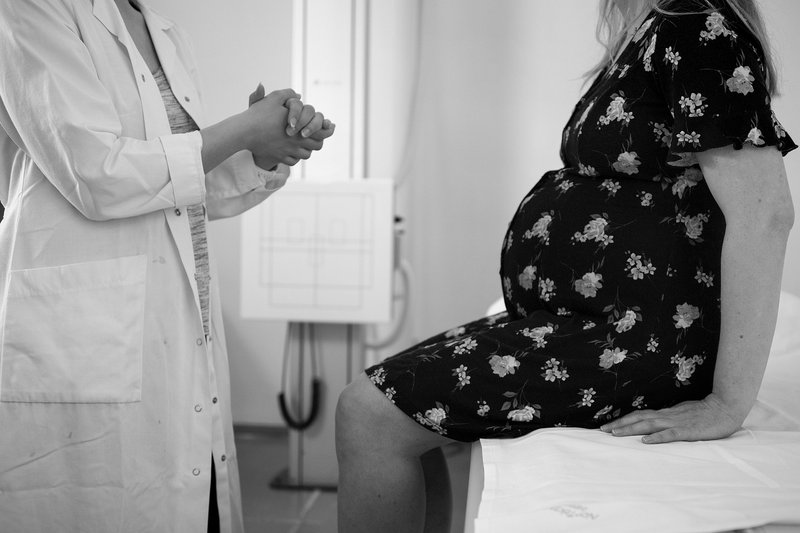
When public figures share a cancer diagnosis and recovery, interest in screening tends to rise, and that is the most useful part of a story like this. Cancer specialists stress that breast cancer found early is usually easier to treat. Screening is how cancers are found before they cause obvious symptoms.
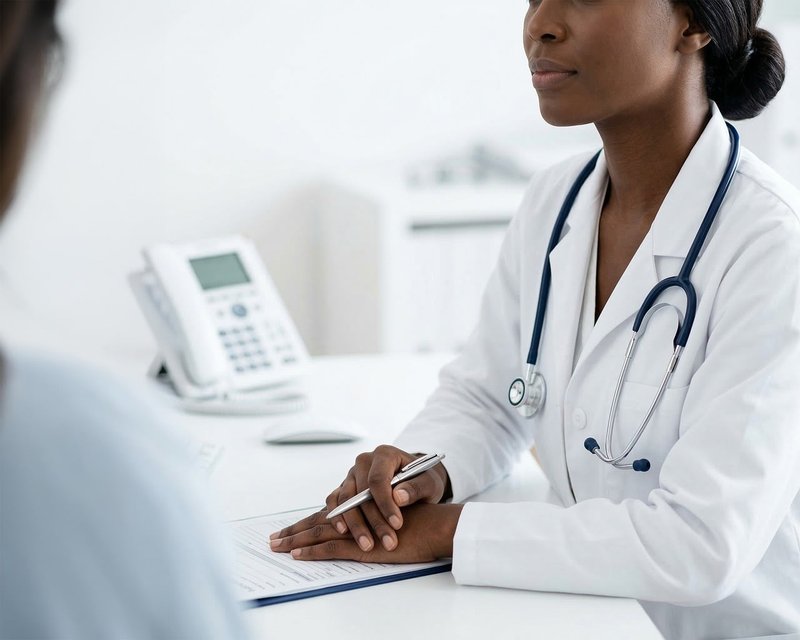
For Indian women, the gap is stark. The National Family Health Survey-5 found that fewer than one in a hundred women aged 30 to 49 had ever had a clinical breast examination, in which a trained health worker or doctor checks the breasts by hand. India does not have a national mammography screening programme like those in the United Kingdom or United States. Instead, the national programme for non-communicable diseases recommends a clinical breast examination for women aged 30 to 65 every five years, and a government-backed health technology assessment found this approach to be the most cost-effective option for India.
Expert bodies differ on the details for women at average risk. Some Indian specialist groups recommend annual mammograms between 40 and 70, alongside clinical and self-examination, while others note that there is no established standard for routine screening of average-risk women under 40. What they agree on is that women should know how their breasts normally look and feel, report changes such as a lump, skin dimpling, nipple changes or discharge without delay, and take up screening offered at government health centres.
The life-balance lesson is about making time. Many women put family, work and caregiving ahead of their own check-ups. A clinical breast examination takes a few minutes and is available at many public health facilities.
| Screening approach | Who it is for, per Indian guidance and expert groups |
|---|---|
| Clinical breast examination | Women aged 30 to 65, every five years under the national programme |
| Mammography | Recommended annually from 40 to 70 by some specialist groups; no national programme |
| Breast awareness | All women: know what is normal and report changes promptly |
Impact
Short-term: High-profile recovery stories during Breast Cancer Awareness Month can prompt more women to book screenings and talk about symptoms they may have ignored.
Long-term: Raising clinical breast examination coverage from below 1 per cent among women aged 30 to 49 would help India detect more cancers early, when treatment is less intensive.
Who is affected: Women aged 30 and above, families and caregivers, primary health workers who conduct screening, and policymakers responsible for India's cancer screening programme.
Key Takeaway
Vanessa Trump's announcement that she is cancer-free is a reminder that early detection matters, and in India, where fewer than 1 per cent of women aged 30 to 49 have had a clinical breast exam, the screening gap remains wide.
Questions and Answers
What did Vanessa Trump say about her cancer?
In an Instagram video reported on October 23 and 24, 2026, Vanessa Trump said her results "came back clear, so I'm finally cancer-free". She had been diagnosed with breast cancer in April 2026.
What breast cancer screening is recommended in India?
India's national programme recommends a clinical breast examination by a trained health worker for women aged 30 to 65 every five years. Some specialist groups also recommend yearly mammograms from 40 to 70. Women should consult a doctor about what suits them.
How many Indian women get screened for breast cancer?
According to the National Family Health Survey-5 (2019-21), only 0.9 per cent of women aged 30 to 49 had undergone a clinical breast examination.
What symptoms should women not ignore?
A new lump, changes in breast shape or skin such as dimpling, nipple changes or unusual discharge should be checked by a doctor promptly. This article is general information, not medical advice.
Disclaimer: Prepared by the Peepals newsroom from publicly available sources with AI assistance. Information is accurate to the best of our knowledge at the time of publication and may change. Images may be representative. Not professional advice. Report an error via our contact page.
By Vikram Joshi, Life Balance CorrespondentCovers Life Balance and more for Peepals Shakti. All stories by Vikram Joshi
Sonia Gandhi says memoir Belonging will cause 'tamasha'; out November 10
Care and Support Day: unpaid family care keeps 708 million women out
Get the day's stories in your inbox
Peepals Weekly: the week decoded, free. One email a week, unsubscribe in one click.
Vikram Joshi is a pen name of the Peepals Global Editorial Team, which researches, fact-checks and publishes every story. The portrait is an illustration.