
Kering, LVMH, Burberry back Arno water lab for fashion's Tuscan suppliers
 By Simran KaurFashion Writer, Peepals Shakti
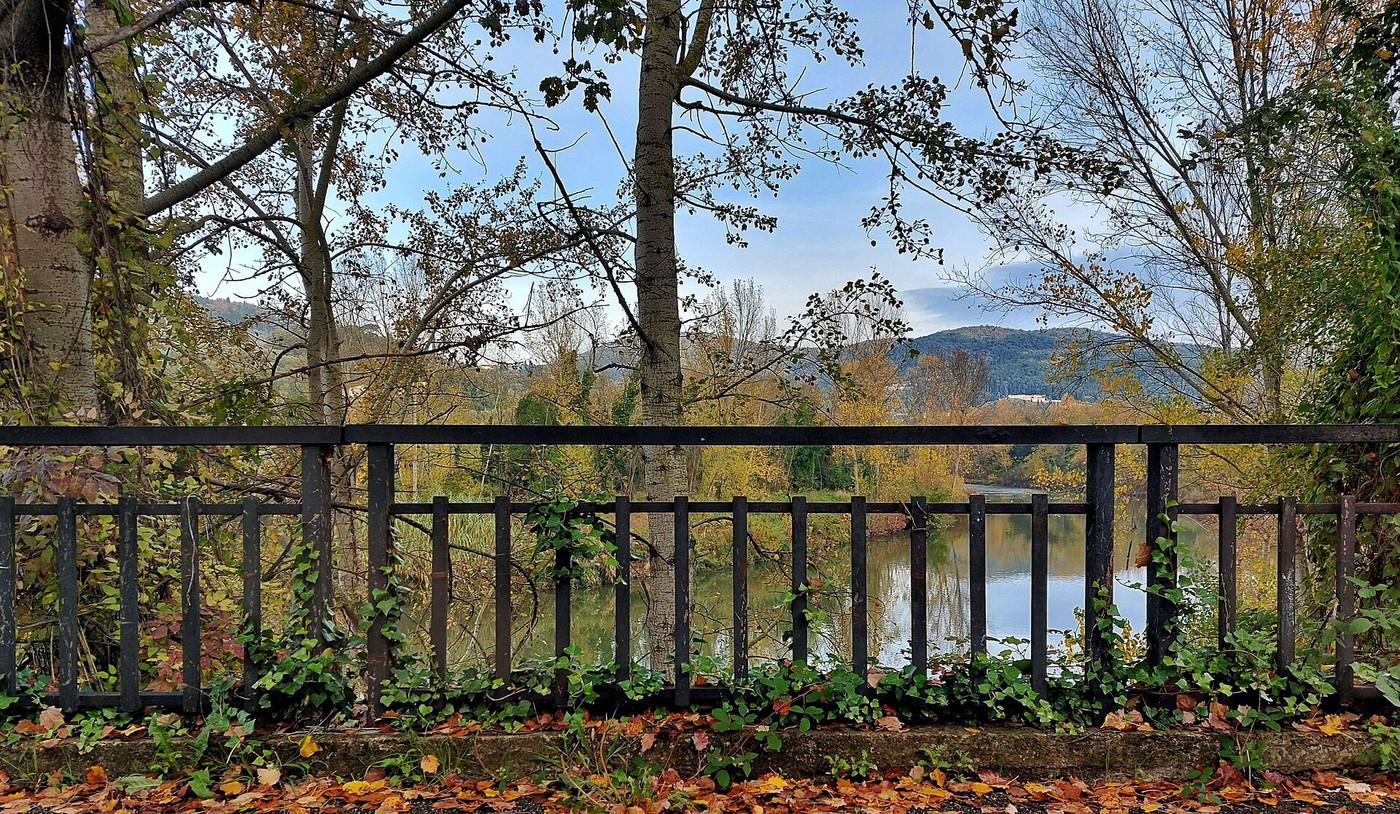
File photo: PROPOLI87 (CC BY-SA 4.0), via Wikimedia Commons
Kering launched a Water Resilience Lab for Italy's Arno basin in Florence on 2 November 2026, backed by LVMH and Burberry, with six restoration sites to start first.
What Happened
Kering, the French luxury group that owns Gucci, has launched a Water Resilience Lab for the basin of Italy's Arno river, a project to restore nature and protect water supplies in the part of Tuscany where much of the world's luxury fashion is made. The lab was presented at Palazzo Medici Riccardi in Florence on Monday, 2 November 2026, with the environmental groups Conservation International and Etifor. Rival luxury groups LVMH and Burberry have joined the project, along with Giardini di Toscana and Italpreziosi.
Key Facts
- Project: Water Resilience Lab - Arno Basin, presented in Florence on 2 November 2026.
- Led by: Kering, with Conservation International and Etifor.
- Other backers: LVMH, Burberry, Giardini di Toscana and Italpreziosi.
- First phase: nature-based restoration work at six local sites, which the partners say will start immediately.
- The Arno lab is the first of ten Water Resilience Labs planned under Kering's Water Strategy, published in 2025.
- The launch was timed to the 60th anniversary of the 1966 Arno flood.
- About 30% of Kering's suppliers are in the Arno basin, according to one Italian report; South Africa is named as the next location.
Why It Matters
Fashion depends on water more than many shoppers realise. Growing cotton, tanning leather, dyeing fabric and finishing garments all use large amounts of it, and the workshops that make luxury bags, shoes and clothes in Tuscany sit in the Arno's river basin. A basin that suffers floods in one season and shortages in another is a direct risk to the supply chains of the world's biggest fashion houses.
That is why the project brings together companies that normally compete. Kering, LVMH and Burberry all rely on Italian craftsmanship, and each would be hurt if the region's water supply or its small family-run suppliers were damaged. Working on the river basin together, rather than on individual factories, reflects a shift in how the industry talks about sustainability: from reducing a single brand's footprint to protecting the shared natural resources that every brand depends on.
The method also matters. "Nature-based" restoration means using natural systems, such as wetlands, river banks and forests, to slow floods, store water and clean it, rather than relying only on concrete defences. It is meant to make the basin more resilient to both floods and droughts.
For readers interested in sustainable fashion, including in India, the Arno lab is a model to watch. It shows big brands treating water as a business risk in the places where their goods are made, and committing to work outside their own factory walls. Whether it delivers will depend on how much money and land the partners commit, details the first announcements did not give.
Peepals timeline: In 2025, Kering published a Water Strategy that plans ten Water Resilience Labs. On Monday, 2 November 2026, the first, for the Arno basin, was presented in Florence, marking 60 years since the 1966 flood, with LVMH and Burberry among the backers. Restoration is to begin at six local sites first, and reports name South Africa as the next location.
Impact
Short-term: Restoration work begins at six sites in the Arno basin, and the partners will set out a joint plan for the river's water security.
Long-term: If the lab works, it could become a template for the other nine planned labs and for how fashion groups protect the regions where their products are made.
Who is affected: Communities and small suppliers in Tuscany, luxury fashion groups and their workers, and textile and leather clusters elsewhere that face similar water risks.
What to watch next: The roll-out of the six restoration sites and the launch of the next lab, which reports say will be in South Africa.
Key Takeaway
Kering's Arno basin Water Resilience Lab, backed by LVMH and Burberry, brings rival luxury groups together to protect the Tuscan river basin that their supply chains depend on.
Questions and Answers
What is the Kering Water Resilience Lab for the Arno?
It is a project launched in Florence on 2 November 2026 by Kering, Conservation International and Etifor to restore nature and improve water security in Italy's Arno river basin, starting with six local sites.
Which fashion companies are backing the Arno water lab?
Kering leads it, and LVMH and Burberry have joined, along with Giardini di Toscana and Italpreziosi.
Why does the Arno basin matter to fashion?
Many workshops that make luxury bags, shoes and clothes are in the Arno basin in Tuscany. According to one Italian report, about 30% of Kering's suppliers are located there.
What does nature-based restoration mean?
It means using natural systems, such as wetlands, river banks and forests, to slow floods, store water and clean it, instead of relying only on built defences.
Disclaimer: Prepared by the Peepals newsroom from publicly available sources with AI assistance. Information is accurate to the best of our knowledge at the time of publication and may change. Images may be representative. Not professional advice. Report an error via our contact page.
By Simran Kaur, Fashion WriterCovers Fashion and more for Peepals Shakti. All stories by Simran Kaur
Sangeeta Tanwani takes charge as CEO of Grasim's textiles business
Quiet quitting in UK: job satisfaction hits record low, study finds
Get the day's stories in your inbox
Peepals Weekly: the week decoded, free. One email a week, unsubscribe in one click.
Simran Kaur is a pen name of the Peepals Global Editorial Team, which researches, fact-checks and publishes every story. The portrait is an illustration.