
Primark joins Denim Deal push for 1 billion recycled-cotton jeans by 2030
 By Simran KaurFashion Writer, Peepals Shakti
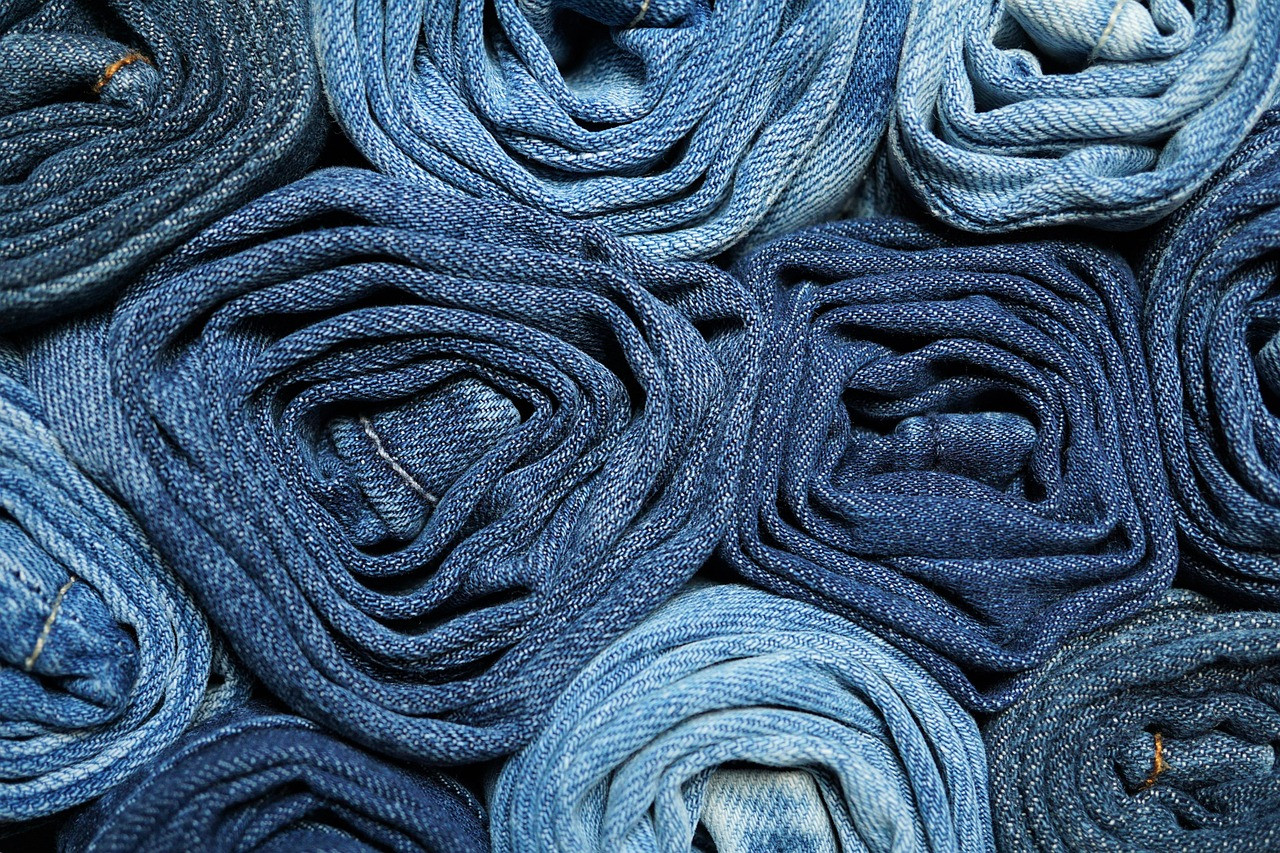
Representative image: Kranich17 / Pixabay
Primark joined the Denim Deal on October 27, 2026, backing a goal of 1 billion jeans with at least 20% post-consumer recycled cotton by 2030.
What Happened
Primark, the value fashion chain headquartered in Dublin, announced on Tuesday, October 27, 2026 that it has joined the Denim Deal, an industry initiative that wants post-consumer recycled cotton, fibre recovered from clothes people have already worn and thrown away, to become a normal ingredient in jeans. The Denim Deal's goal is 1 billion pairs of jeans containing at least 20% post-consumer recycled cotton by 2030. Primark said membership gives it access to industry expertise, technical and sourcing support, and joint research and development, which it expects to help it overcome the problems of making recycled denim at scale.
Key Facts
- Announcement: Primark said on October 27, 2026 that it has joined the Denim Deal.
- The initiative brings together fashion brands, denim manufacturers, suppliers and recyclers.
- Target: 1 billion pairs of jeans with at least 20% post-consumer recycled cotton by 2030; this is the initiative's overall goal, not a Primark-specific pledge.
- What members get: shared expertise, technical and sourcing support, and collaborative research and development.
- Background: Primark launched its first capsule collection made with reclaimed denim in February 2026, with five garments for women and men.
- Each garment in that capsule contained at least 20% recycled denim and was designed without stretch fibres and rivets, which make old jeans harder to recycle.
- Trade reports describe Primark as the Denim Deal's largest brand partner so far.
Why It Matters
Denim is one of the most resource-heavy everyday garments. Cotton needs large amounts of water, fertiliser and pesticides, and a pair of jeans then goes through dyeing, washing and finishing before it reaches a shop. When jeans are thrown away, most end up in landfill or are burned. Recycling old jeans back into new ones, known as textile-to-textile or closed-loop recycling, reduces the need for new cotton, but it is technically hard. Mechanical recycling shreds fabric into short fibres that are weaker than fresh cotton, so brands usually blend in only a modest share, and stretch fibres such as elastane, along with metal rivets and buttons, complicate the process.
That is why a group effort matters. A single brand buying recycled fibre in small quantities cannot change how spinning mills and denim factories work. An initiative that pools demand from many brands, and links them to recyclers and mills, can give suppliers the confidence to invest in sorting and recycling machinery. Primark's size gives the Denim Deal's 2030 target a larger buyer than it has had before, according to trade reports.
For India the story has two sides. India is a major cotton grower and a large producer and exporter of denim fabric and garments, so changes in what global buyers ask for reach Indian mills and factories that supply them. Rising demand for recycled content could open business for Indian recyclers and spinners able to supply it, while mills that cannot certify recycled fibre may lose orders. It is also a reminder for Indian shoppers and brands that design choices, such as avoiding stretch fibres and metal parts, decide whether a garment can be recycled at the end of its life.
| Detail | What is known |
|---|---|
| Initiative | Denim Deal |
| Goal | 1 billion jeans with at least 20% post-consumer recycled cotton by 2030 |
| New member | Primark, announced October 27, 2026 |
| Primark's first reclaimed-denim capsule | February 2026, five garments, at least 20% recycled denim |
Impact
Short-term: Primark gains technical and sourcing help to increase the share of recycled cotton in its jeans. Shoppers are unlikely to notice a change immediately; any new recycled-content ranges would follow the retailer's own product cycle.
Long-term: If large value retailers such as Primark commit buying volume, recycled cotton could move from small capsule collections into everyday jeans, which would support investment in collection, sorting and recycling plants. Whether the Denim Deal reaches its 2030 goal depends on how quickly that capacity grows.
Who is affected: denim mills and garment makers that supply European retailers, including those in India and Bangladesh; textile recyclers and sorting companies; designers, who must create jeans that are easier to recycle; and shoppers, who are being asked to return or recycle old clothes rather than throw them away.
Key Takeaway
By joining the Denim Deal on October 27, 2026, Primark has added the biggest brand yet to an industry push for 1 billion jeans with at least 20% post-consumer recycled cotton by 2030.
Questions and Answers
What is the Denim Deal that Primark has joined?
The Denim Deal is an industry initiative of fashion brands, manufacturers, suppliers and recyclers that aims to produce 1 billion pairs of jeans containing at least 20% post-consumer recycled cotton by 2030.
When did Primark join the Denim Deal and why?
Primark announced its membership on October 27, 2026. It said the membership gives it expertise, technical and sourcing support and joint research to help it make recycled denim at a larger scale.
What is post-consumer recycled cotton?
It is cotton fibre recovered from clothes that people have worn and discarded, rather than from factory offcuts. Using it in new jeans reduces the need for freshly grown cotton.
Has Primark sold recycled denim before?
Yes. In February 2026 Primark launched its first capsule collection made with reclaimed denim, five garments each containing at least 20% recycled denim and designed without stretch fibres and rivets.
Disclaimer: Prepared by the Peepals newsroom from publicly available sources with AI assistance. Information is accurate to the best of our knowledge at the time of publication and may change. Images may be representative. Not professional advice. Report an error via our contact page.
By Simran Kaur, Fashion WriterCovers Fashion and more for Peepals Shakti. All stories by Simran Kaur
Get the day's stories in your inbox
Peepals Weekly: the week decoded, free. One email a week, unsubscribe in one click.
Simran Kaur is a pen name of the Peepals Global Editorial Team, which researches, fact-checks and publishes every story. The portrait is an illustration.