
Shilp Samagam Mela in Guwahati showcases 75 artisans, 31 of them women
 By Simran KaurFashion Writer, Peepals Shakti
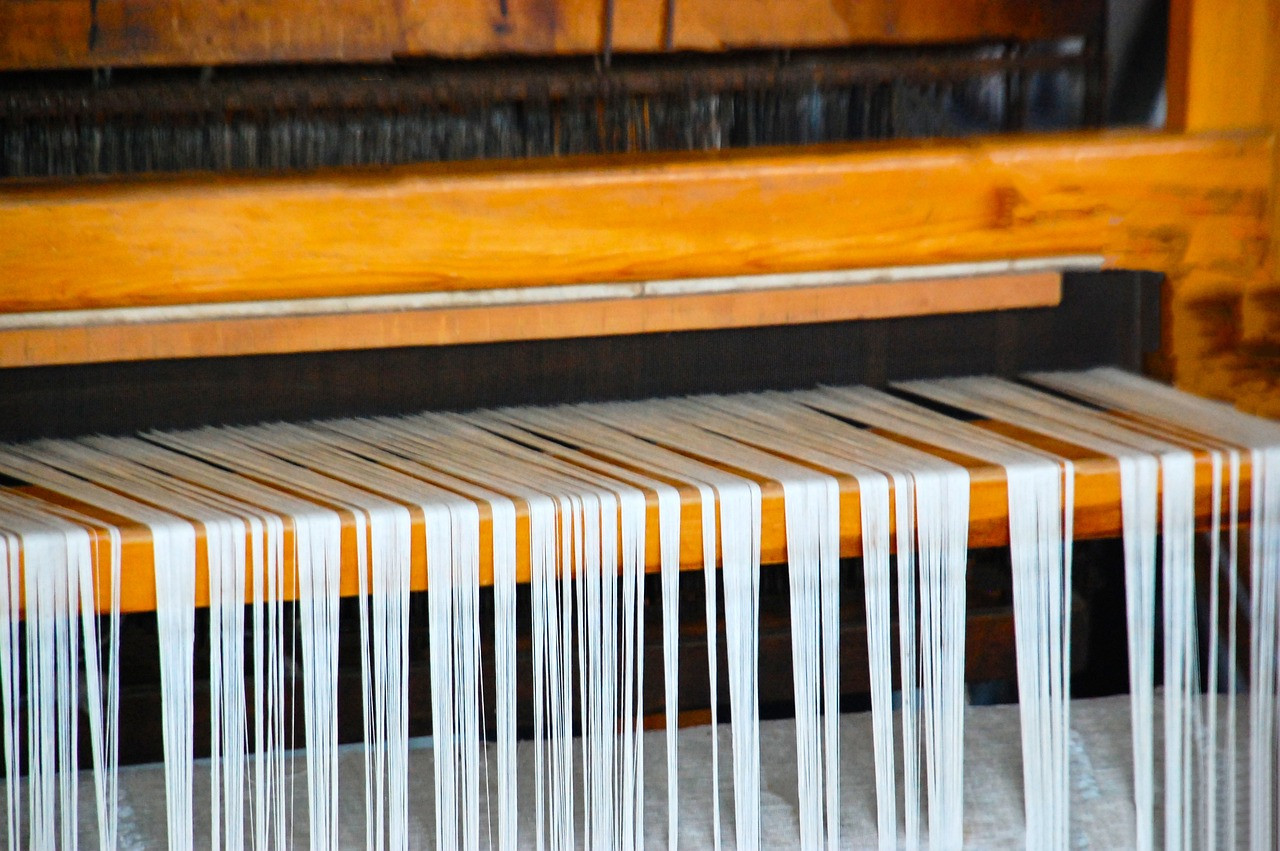
Representative image: IgorShubin / Pixabay
The Shilp Samagam Mela 2026 in Guwahati, from October 21, gave about 75 artisans including 31 women a direct market for handloom and handicrafts.
What Happened
The Shilp Samagam Mela 2026, an eight-day fair of handloom and handicraft products organised by the Union Ministry of Social Justice and Empowerment, has concluded in Guwahati, Assam. Held at Farm Gate, Khanapara, from October 21, the fair brought together about 75 artisans, 31 of them women, who displayed about 40 varieties of handloom and handicraft products. The ministry said the event was meant to give artisans from Scheduled Caste, Backward Class and sanitation-worker communities a direct market, and to promote BHARAT-TULIP, an initiative to sell their products through physical outlets and e-commerce platforms. The Press Information Bureau said on October 27 that the fair would close the next day; one report said it concluded on Thursday, October 29.
Key Facts
- Event: Shilp Samagam Mela 2026, Farm Gate, Khanapara, Guwahati, from October 21, 2026, organised by the Ministry of Social Justice and Empowerment.
- Participants: about 75 artisans, including 31 women; one official quoted about 77 artisans from 14 states.
- Products: about 40 varieties of handloom and handicraft items.
- Beneficiaries supported through three national corporations: the National Scheduled Castes Finance and Development Corporation (NSFDC), the National Safai Karamcharis Finance and Development Corporation (NSKFDC) and the National Backward Classes Finance and Development Corporation (NBCFDC).
- BHARAT-TULIP: a marketing initiative to help these artisans sell through shops and online platforms.
- Guwahati was the second edition of the 2026-27 series; the first was held in Mysuru and closed on October 19.
- A report on October 25 described big crowds, with several thousand visitors. No sales figures were published.
Why It Matters
For many craftspeople, especially women working from home or in small units, the hardest part of the business is not making the product but selling it at a fair price. Artisans in smaller towns may have few chances to meet city buyers directly. Government fairs such as Shilp Samagam give them stalls, footfall and direct contact with customers, and help them understand what designs, colours and price points sell.
The women's participation is significant. With 31 of about 75 artisans being women, the fair offered them visibility as producers and business owners, not only as workers. Selling directly can give them more control over their income.
The link to the three national finance corporations matters too. These bodies provide loans and support to entrepreneurs from Scheduled Caste, Backward Class and sanitation-worker communities. A fair that showcases their beneficiaries' products is a way of turning credit into actual sales, which is what makes a small business sustainable.
BHARAT-TULIP points to the longer-term goal: moving artisans from occasional fairs to steady channels such as retail outlets and e-commerce platforms, where buyers across the country can find their work. For fashion and design, handloom and handicrafts are also a source of handmade products for designers and buyers.
| Item | Detail |
|---|---|
| Venue | Farm Gate, Khanapara, Guwahati, Assam |
| Dates | From October 21, 2026, for eight days |
| Artisans | About 75, including 31 women |
| Products | About 40 varieties of handloom and handicrafts |
| Supported through | NSFDC, NSKFDC, NBCFDC |
| Marketing initiative | BHARAT-TULIP |
Impact
Short-term: Participating artisans earned direct sales and made contacts with buyers during the fair. The next edition of the 2026-27 series will move the platform to another city.
Long-term: If BHARAT-TULIP succeeds in placing products in shops and online, artisans could gain regular income rather than relying on occasional fairs.
Who is affected: Artisans from Scheduled Caste, Backward Class and sanitation-worker communities, especially women; buyers of handloom and handicrafts in the Northeast; and the national finance corporations that support these entrepreneurs.
Key Takeaway
The Shilp Samagam Mela 2026 in Guwahati, organised by the Ministry of Social Justice and Empowerment from October 21, gave about 75 artisans, including 31 women, a direct market for handloom and handicrafts and promoted the BHARAT-TULIP marketing initiative.
Questions and Answers
What is the Shilp Samagam Mela?
It is a handloom and handicraft fair organised by the Union Ministry of Social Justice and Empowerment to give artisans from Scheduled Caste, Backward Class and sanitation-worker communities a direct market for their products.
Where was Shilp Samagam Mela 2026 held?
The Guwahati edition was held at Farm Gate, Khanapara, Guwahati, Assam, from October 21, 2026. It was the second edition of the 2026-27 series after Mysuru.
How many women artisans took part?
About 75 artisans took part, including 31 women, displaying around 40 varieties of handloom and handicraft products.
What is BHARAT-TULIP?
BHARAT-TULIP is an initiative to help artisans supported by the ministry's national finance corporations market their products through physical outlets and e-commerce platforms.
Disclaimer: Prepared by the Peepals newsroom from publicly available sources with AI assistance. Information is accurate to the best of our knowledge at the time of publication and may change. Images may be representative. Not professional advice. Report an error via our contact page.
By Simran Kaur, Fashion WriterCovers Fashion and more for Peepals Shakti. All stories by Simran Kaur
Get the day's stories in your inbox
Peepals Weekly: the week decoded, free. One email a week, unsubscribe in one click.
Simran Kaur is a pen name of the Peepals Global Editorial Team, which researches, fact-checks and publishes every story. The portrait is an illustration.