
L'Oréal Q3 sales rise 7.2% like-for-like; South Asia region grows fastest
 By Simran KaurFashion Writer, Peepals Shakti
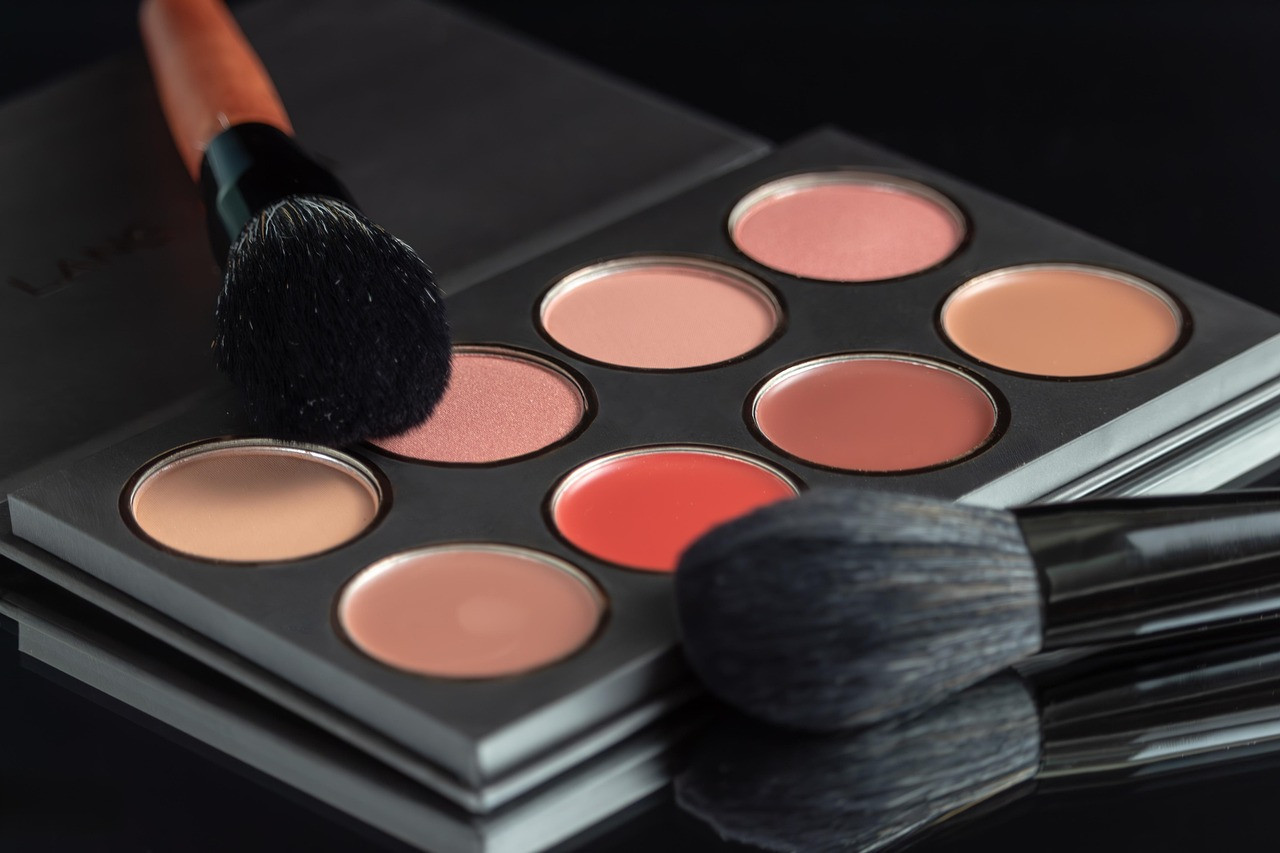
Representative image: maricabooysen / Pixabay
L'Oréal's sales rose to 11.56 billion euros in July-September 2026, up 7.2% like-for-like, led by haircare and dermatological beauty; its region including India grew 15.8%.
What Happened
L'Oréal, the world's largest beauty company, reported on 22 October 2026 that its sales for July to September rose to 11.56 billion euros, up 11.9% as reported and 7.2% on a like-for-like basis, which strips out currency movements and acquisitions. Professional haircare and dermatological skincare led, each growing 13.9%. The region that includes South Asia, the Middle East, North Africa and sub-Saharan Africa, which the company calls SAPMENA-SSA, grew fastest at 15.8% on the company's adjusted basis. The results beat analysts' expectations of about 5.4% to 5.7% growth.
Key Facts
- Third-quarter sales: 11.56 billion euros, up 11.9% reported and 7.2% like-for-like.
- Adjusted like-for-like growth: 7.7%, after removing timing effects linked to an internal IT system change that held back the same quarter last year.
- Professional Products (brands such as Kérastase and Redken): up 13.9%.
- Dermatological Beauty (brands such as La Roche-Posay and CeraVe): up 13.9%.
- L'Oréal Luxe: up 7.0%. Consumer Products: up 3.8%.
- Regions: SAPMENA-SSA up 15.8% and North Asia up 5.5% on an adjusted like-for-like basis, according to the company. Reports differed on Latin America.
- Nine-month sales: 35.34 billion euros, up 6.9% like-for-like.
Why It Matters
L'Oréal's results are a barometer for the global beauty industry, which spans skincare, haircare, make-up and fragrance. Growing faster than the market, estimated at around 5% in the same period, suggests that consumers are still spending on beauty even as high fuel prices and inflation squeeze household budgets in many countries.
The pattern of growth tells a story about what people are buying. Dermatological beauty, meaning skincare brands sold with a medical or science-based pitch, often through pharmacies and recommended by dermatologists, has been one of the fastest-growing parts of the industry for several years. Professional haircare, sold through salons, is also benefiting from consumers paying more for treatments and premium products. Mass-market products, where competition from cheaper and local brands is intense, grew more slowly.
For India, the strong showing of the SAPMENA-SSA region is notable, because India is part of it. L'Oréal does not report India's sales separately in this update, but the region's 15.8% growth was well ahead of the group average, showing that South Asia and neighbouring markets are among the company's fastest-growing. Dermatological skincare, the category growing fastest worldwide, is also one in which global brands and Indian start-ups compete closely for Indian shoppers.
The results also matter for the many women who build careers in beauty, as salon professionals, dermatologists, retail advisers and founders of beauty brands. Growth in professional and dermatological products supports jobs in salons and clinics as well as in shops.
The company also gave an adjusted growth figure of 7.7%. It explained that a change to its internal IT systems had shifted some orders between quarters a year ago, which held back the comparable quarter in 2025 and flattered this one; the adjusted number removes that effect. Over the first nine months of 2026, sales reached 35.34 billion euros, up 6.9% like-for-like, a steadier measure of the year's trend.
| Division | Growth, July-September 2026 |
|---|---|
| Professional Products | 13.9% |
| Dermatological Beauty | 13.9% |
| L'Oréal Luxe | 7.0% |
| Consumer Products | 3.8% |
| Group, like-for-like | 7.2% (7.7% adjusted) |
Impact
Short-term: Strong numbers from the market leader may lift confidence in other beauty companies reporting in the coming weeks and support investment in premium and skincare lines.
Long-term: Continued growth in dermatological and professional products points to a lasting shift towards science-led skincare and salon care, including in emerging markets such as India.
Who is affected: Beauty shoppers, salon and skincare professionals, Indian and global beauty brands, retailers and investors in the sector.
Key Takeaway
L'Oréal's sales grew 7.2% like-for-like to 11.56 billion euros in July to September 2026, led by professional haircare and dermatological skincare, with its India-linked region growing fastest at 15.8%.
Questions and Answers
How did L'Oréal perform in the third quarter of 2026?
Sales rose to 11.56 billion euros, up 11.9% as reported and 7.2% like-for-like, according to the company's results on 22 October 2026. That beat analysts' expectations of around 5.4% to 5.7%.
Which L'Oréal businesses grew fastest?
Professional Products, including salon haircare brands, and Dermatological Beauty, including La Roche-Posay and CeraVe, each grew 13.9%.
How did the region including India perform?
L'Oréal's SAPMENA-SSA region, which covers South Asia, the Middle East, North Africa and sub-Saharan Africa, grew 15.8% on the company's adjusted like-for-like basis, the fastest of its regions.
What does like-for-like growth mean?
It measures sales growth after removing the effects of currency changes and of businesses bought or sold, to show how the existing business grew.
Disclaimer: Prepared by the Peepals newsroom from publicly available sources with AI assistance. Information is accurate to the best of our knowledge at the time of publication and may change. Images may be representative. Not professional advice. Report an error via our contact page.
By Simran Kaur, Fashion WriterCovers Fashion and more for Peepals Shakti. All stories by Simran Kaur
Keisha Lance Bottoms, eyeing first woman governorship, tied in Georgia poll
Maasi launches on-demand nanny service in Bengaluru after 1,200-family beta
Simran Kaur is a pen name of the Peepals Global Editorial Team, which researches, fact-checks and publishes every story. The portrait is an illustration.