
UK inflation rises to 3.5% in September as diesel costs hit four-year high
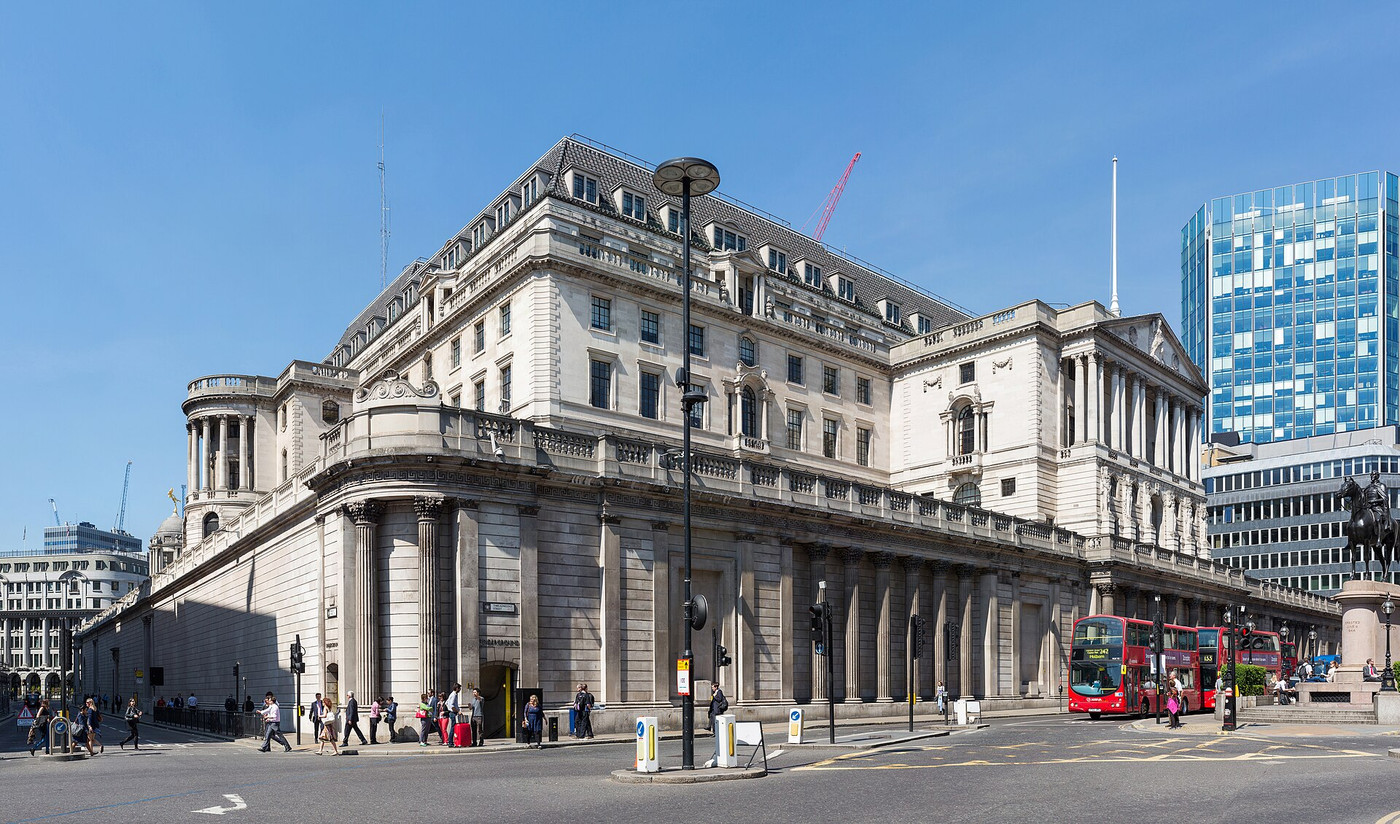
File photo: Diliff (CC BY-SA 3.0), via Wikimedia Commons
UK CPI inflation rose to 3.5% in September 2026 from 3.1% in August on higher fuel costs, the ONS said on October 21; core inflation rose to 2.8%.
What Happened
Consumer price inflation in the United Kingdom rose to 3.5% in the 12 months to September 2026, up from 3.1% in August, the Office for National Statistics (ONS) said on Wednesday, October 21, 2026. Higher motor fuel prices were the main reason for the rise, with the ONS chief economist, Grant Fitzner, saying the cost of diesel was the highest since July 2022. The reading was above the 3.4% that economists had expected, and core inflation and services inflation also picked up.
Key Facts
- Headline CPI inflation: 3.5% in the year to September 2026, up from 3.1% in August.
- CPIH, which adds owner-occupiers' housing costs: 3.6%.
- Core CPI, which leaves out energy, food, alcohol and tobacco: 2.8%, up from 2.6% in August.
- Services inflation: 3.7%, up from 3.4%; goods inflation: 3.2%, up from 2.7%.
- Largest upward push: transport, especially motor fuels.
- Market forecast: 3.4%, so the result came in 0.1 percentage point higher than expected.
- Bank of England: Bank Rate is 3.75% after the September decision, when three of the nine Monetary Policy Committee members voted for a rise to 4%.
Why It Matters
Inflation measures how fast prices are rising. The UK's official target, set for the Bank of England, is 2%. At 3.5% and climbing, inflation is now well above that target and moving in the wrong direction. The main cause this month is energy: fuel costs have jumped as conflict in the Middle East has pushed up global oil and diesel prices. Diesel matters beyond the petrol pump, because it powers the lorries that move food and goods, so higher diesel prices can feed through into shop prices over the coming months.
What worries economists more than the headline is that the rise is not only about fuel. Core inflation, which strips out volatile items such as energy and food, rose from 2.6% to 2.8%. Services inflation, which mostly reflects wages and domestic costs, rose from 3.4% to 3.7%. When these measures rise, it suggests price pressure is spreading more widely through the economy, and that is what central banks watch most closely when deciding on interest rates.
That makes the Bank of England's next decision harder. In September the Bank kept its main interest rate at 3.75%, but three of its nine policymakers already wanted to raise it to 4%. The Bank's own projections, according to its September forecasts, see inflation averaging about 3.75% in the last three months of 2026 and around 4% in the first quarter of 2027. Higher-than-expected September figures add to the case for a rate rise, which would make mortgages and loans more expensive for British households and businesses.
For India, the UK reading is part of a wider picture. Many countries are seeing fuel-driven price rises at the same time because they buy oil from the same global market. India also imports most of the crude oil it uses, so the same shock that is lifting UK diesel prices puts pressure on India's import bill, the rupee and, if passed on, domestic fuel prices. Indian exporters to Britain will also watch how higher UK prices and possible rate rises affect demand from British buyers.
Impact
Short-term: Higher prices squeeze household budgets in the UK, especially for people who drive for work or live in rural areas. Markets will see a greater chance of a Bank of England rate rise at its next meeting.
Long-term: If energy costs stay high and services inflation keeps rising, the Bank may need to keep interest rates higher for longer, slowing economic growth.
Who is affected: UK households and motorists; borrowers with variable-rate or expiring fixed-rate mortgages; businesses facing higher transport costs; people on fixed incomes; investors in UK bonds and the pound; and Indian exporters selling to the UK.
Key Takeaway
UK inflation rose to 3.5% in September 2026 from 3.1%, driven by motor fuel prices, with rising core and services inflation increasing pressure on the Bank of England to raise interest rates.
Questions and Answers
What was the UK inflation rate in September 2026?
The Consumer Prices Index rose by 3.5% in the 12 months to September 2026, up from 3.1% in August, according to the Office for National Statistics.
Why did UK inflation rise in September 2026?
The biggest reason was transport, especially motor fuel prices. The ONS said diesel prices were the highest since July 2022. Core and services inflation also rose, showing price pressure beyond fuel.
Will the Bank of England raise interest rates after the September inflation figure?
The Bank has not decided. It held Bank Rate at 3.75% in September, with three of nine policymakers voting for a rise to 4%. The higher-than-expected figure makes a rise more likely, but the decision depends on more data.
What does UK inflation mean for India?
The same global oil price rise behind UK inflation also raises India's import bill because India imports most of its crude oil. Slower UK demand, if interest rates rise, could also affect Indian exporters selling to Britain.
Disclaimer: Prepared by the Peepals newsroom from publicly available sources with AI assistance. Information is accurate to the best of our knowledge at the time of publication and may change. Images may be representative. Not professional advice. Report an error via our contact page.
Sourced and fact-checked by the Peepals Global Editorial Team
Agrivoltaics: PM-KUSUM's next phase to back solar-plus-crop farms, ministers say
BLS Polymers IPO opens October 27 at Rs 142-150 to fund Goa expansion
Reported, fact-checked and published by the Peepals Global Editorial Team.