
Gucci sales fall 6% as Kering's third-quarter revenue stays flat
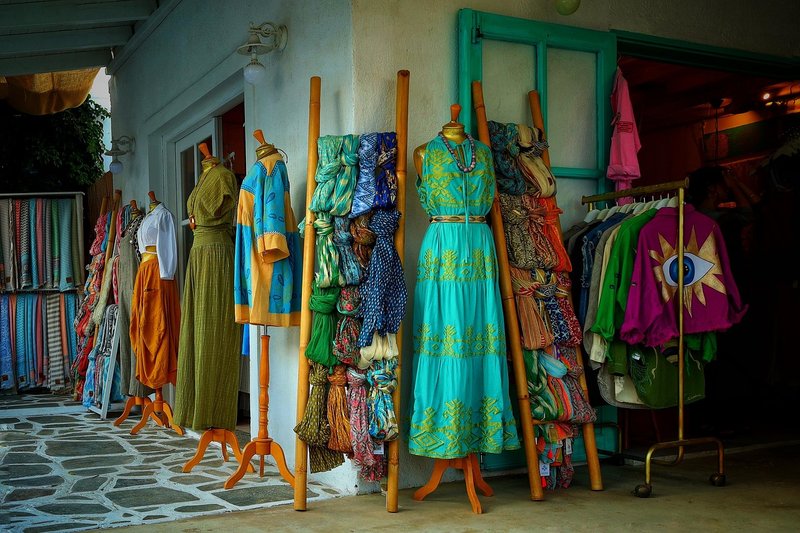
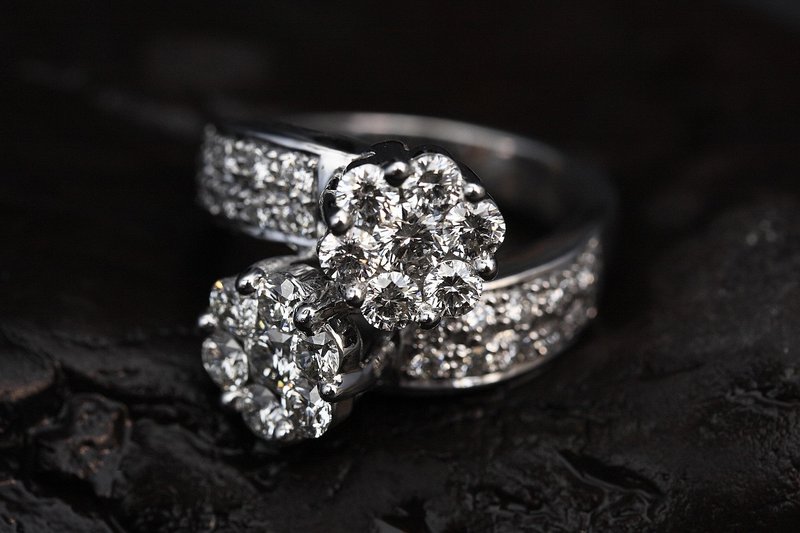
Representative image: StockSnap / Pixabay
Kering's Q3 2026 revenue was flat at 3.345 billion euros on October 22 as Gucci's comparable sales fell 6% on weak store traffic in China and Japan.
What Happened
Kering, the French luxury group that owns Gucci, Saint Laurent and Bottega Veneta, reported third-quarter revenue of 3.345 billion euros on Thursday, October 22, 2026, flat on a reported basis and down 1% on a comparable basis. Gucci, its biggest brand, saw revenue fall 6% on a comparable basis to 1.291 billion euros, as fewer shoppers visited its stores in mainland China and Japan. Kering's other main brands grew, but the Gucci figures weighed on investor sentiment.
Key Facts
- Group revenue: 3.345 billion euros for July to September 2026, flat as reported and down 1% on a comparable basis, according to the company's release.
- Gucci: revenue of 1.291 billion euros, against 1.343 billion euros a year earlier; down 4% as reported and 6% on a comparable basis.
- Gucci shops: comparable retail sales fell 9%, with weaker footfall in mainland China and Japan; North America was its most resilient market.
- Gucci wholesale: up 45% on a comparable basis, which analysts linked partly to a low base and the timing of orders.
- Other brands: Saint Laurent, Bottega Veneta, Kering Jewelry and Kering Eyewear all grew; jewellery rose 11% on a comparable basis.
- Chief executive: Luca de Meo said third-quarter revenue reflected "the phasing we anticipated, in a softer macroeconomic environment".
- Shares: Kering's stock fell about 12% on the day, according to Investing.com.
Why It Matters
Gucci is the engine of Kering's business, bringing in close to 40% of the group's revenue in the quarter. Kering has been working to revive the brand's appeal, and reports on the results noted signs of renewed interest in Gucci. But a 9% fall in like-for-like sales at its own shops shows that the turnaround has not yet reached customers in large numbers, especially in Asia.
The "comparable basis" figure strips out currency movements and changes in the group's structure, so it gives a cleaner view of underlying demand. On that measure, Gucci shrank by 6%. The strong rise in wholesale sales, to department stores and other retailers, softens the picture, but analysts cautioned that much of that jump reflects a weak comparison with last year and the timing of orders rather than a lasting change.
The results also say something about the wider luxury market. Weak traffic in mainland China and Japan points to cautious spending by shoppers in two of the industry's most important regions. North America held up better. For luxury groups that depend heavily on a single star brand, a slowdown in that brand hits the whole company, which is why investors reacted sharply.
For readers following the fashion business, the numbers are a reminder that a fashion house's creative buzz and its sales can move at different speeds. Designers, suppliers and retailers that work with global luxury groups, in India as elsewhere, watch these results closely, because a cautious mood at the top of the industry can affect orders, store openings and hiring further down the chain.
| Brand or division | Q3 2026 revenue trend (comparable) |
|---|---|
| Kering group | Down 1% (3.345 billion euros) |
| Gucci | Down 6% (1.291 billion euros) |
| Kering Jewelry | Up 11% |
| Saint Laurent, Bottega Veneta, Kering Eyewear | Growth reported |
Impact
Short-term: Kering's share price fell steeply on the results, and attention will turn to the final quarter of the year. Management said October trends were broadly in line with the third quarter in most regions.
Long-term: Kering will need Gucci's recovery to reach its own stores, not just wholesale partners, to restore growth. Its smaller brands, especially jewellery, may take on a larger role if Gucci's revival takes longer.
Who is affected: Kering's shareholders and employees, Gucci's suppliers and retail partners, luxury shoppers, and businesses in the luxury supply chain, including artisans and manufacturers who work for global fashion houses.
Key Takeaway
Kering's third-quarter revenue was flat at 3.345 billion euros on October 22, 2026, as Gucci's comparable sales fell 6% on weak store traffic in China and Japan, offsetting growth at its other brands.
Questions and Answers
How did Gucci perform in the third quarter of 2026?
Gucci's revenue fell to 1.291 billion euros, down 4% as reported and 6% on a comparable basis. Sales in its own stores fell 9% on a comparable basis, while wholesale sales rose 45%, according to Kering's release of October 22, 2026.
What was Kering's total revenue for the quarter?
Kering reported revenue of 3.345 billion euros for July to September 2026, unchanged on a reported basis and down 1% on a comparable basis, which removes currency and structural effects.
Why did Gucci's sales fall?
Kering pointed to weaker store traffic in mainland China and Japan. North America was the brand's most resilient market. Chief executive Luca de Meo described a softer economic environment.
Did any Kering brands grow?
Yes. Saint Laurent, Bottega Veneta, Kering Jewelry and Kering Eyewear all reported growth, with jewellery up 11% on a comparable basis.
Disclaimer: Prepared by the Peepals newsroom from publicly available sources with AI assistance. Information is accurate to the best of our knowledge at the time of publication and may change. Images may be representative. Not professional advice. Report an error via our contact page.
Sourced and fact-checked by the Peepals Global Editorial Team
Cook moves Flanagan-Tafoya Minnesota Senate race to Lean Democrat
California charges six more parents after children's e-motorcycle crashes
Reported, fact-checked and published by the Peepals Global Editorial Team.