
Maria Corina Machado returns to Venezuela after nearly a year in exile
 By Priya NairLeadership & Growth Editor, Peepals Shakti
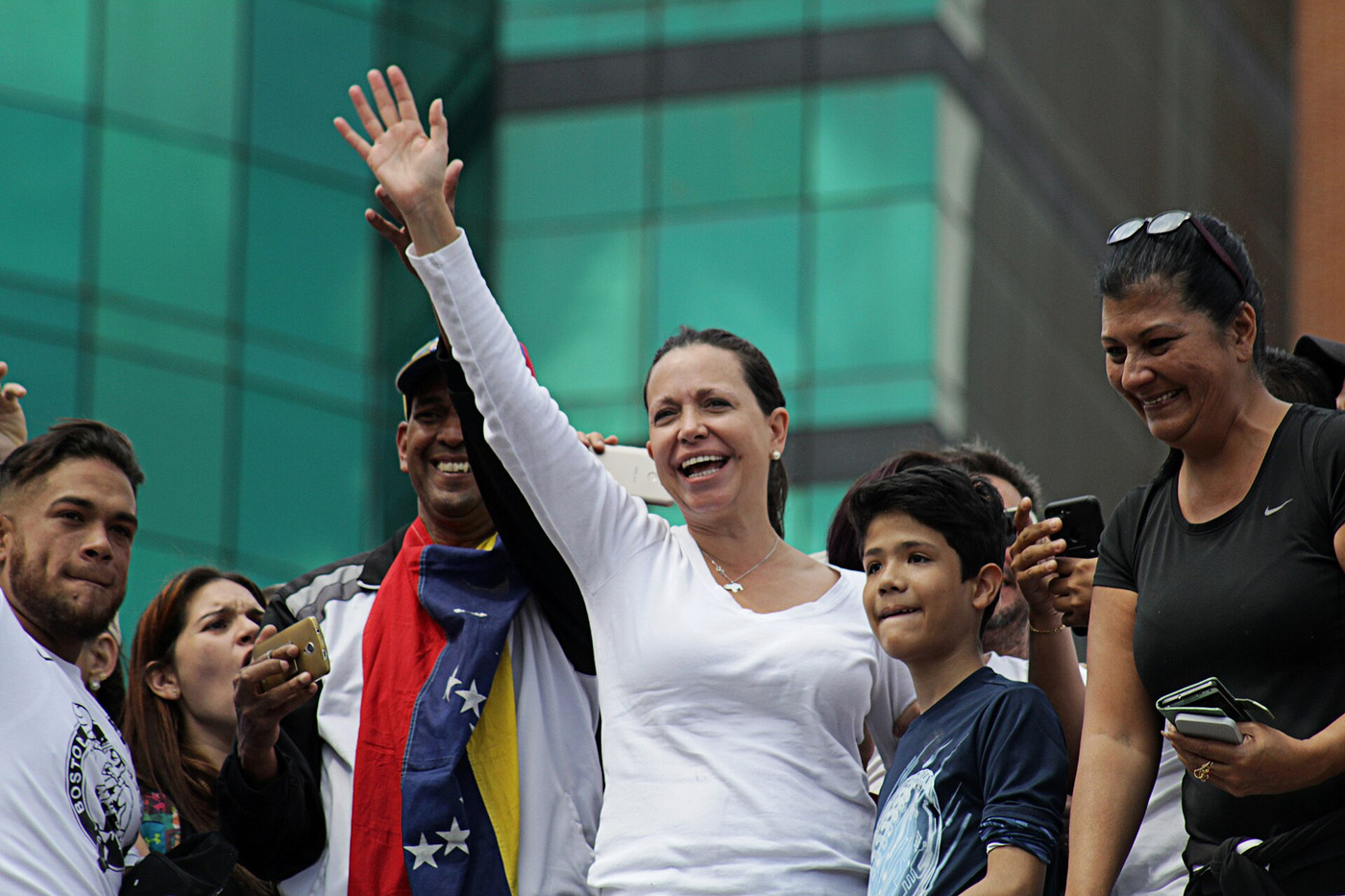
File photo: Alexcocopro (CC BY-SA 4.0), via Wikimedia Commons
Venezuelan opposition leader and Nobel laureate Maria Corina Machado returned home on October 25, 2026, after nearly a year abroad.
What Happened
Maria Corina Machado, Venezuela's main opposition leader and a Nobel Peace Prize laureate, returned to Venezuela on Sunday, October 25, 2026, after close to a year outside the country. She announced her arrival on social media, and images showed her at a church in Lara state, though she gave no details of how she entered the country. Her return comes as acting President Delcy Rodriguez governs without having scheduled the presidential election that the opposition says Venezuela's constitution requires.
Key Facts
- Machado returned to Venezuela on October 25, 2026, after roughly ten months to a year abroad.
- She was seen at a church in Lara state; she did not say how she entered the country or where she was staying.
- Edmundo Gonzalez, the former presidential candidate of her movement who has been living in Spain, confirmed her return and said he would soon join her.
- One report said her return followed seven earlier attempts to cross back into Venezuela that were blocked.
- Venezuela is led by acting President Delcy Rodriguez, who took over after Nicolas Maduro's removal and has not scheduled a presidential election.
- Thousands of Venezuelans recently protested to demand elections, and Venezuela's opposition alliance has backed Machado as its leader.
- Reports say the move could test relations with the United States, whose President Donald Trump has repeatedly voiced support for Rodriguez.
Why It Matters
Machado's return is a high-risk political gamble by one of the world's most prominent women opposition leaders. For years she has led the movement against Venezuela's ruling establishment, often at great personal cost: barred from public office, kept off the 2024 presidential ballot and eventually living outside the country. Coming back without announcing how, or where she is staying, signals both her determination and the danger she faces.
Her path offers a picture of women's leadership under pressure. Machado, an industrial engineer who co-founded the election-monitoring group Sumate, won the opposition's primary in 2023 with more than 92% of the vote. When a ban kept her off the 2024 ballot, her coalition registered Edmundo Gonzalez as its candidate instead. That choice, and her refusal to step back, helped make her the opposition's figurehead and earned her the 2025 Nobel Peace Prize, awarded for her work on democratic rights in Venezuela.
The political moment she returns to is uncertain. After Maduro's removal, power passed to acting President Delcy Rodriguez, who has governed without setting a date for a presidential election. Recent protests by thousands of Venezuelans calling for a vote show pressure building. Machado's presence inside the country could energise those demands, but it could also provoke a crackdown. Her return also complicates the picture for Washington, which has backed Rodriguez since the change of leadership.
For readers in India, the story matters as an example of how women leaders are reshaping politics in countries where opposition carries real risk, a theme that resonates with women in public life everywhere.
Machado's return: key points Item | Detail Date | October 25, 2026 Where seen | A church in Lara state Time away | About ten months to a year Current leader of Venezuela | Acting President Delcy Rodriguez
Impact
Short-term: Attention turns to how the Rodriguez government responds, whether Machado is allowed to move and speak freely, and whether Edmundo Gonzalez follows her home as he has said.
Long-term: Her return could intensify pressure for a presidential election in which she has signalled she is ready to compete, and shape whether Venezuela's political transition moves towards a vote.
Who is affected: Machado and her supporters; the Venezuelan opposition alliance; the Rodriguez government; millions of Venezuelans at home and abroad who want an election; and the United States and other countries involved in Venezuela's transition.
Key Takeaway
Maria Corina Machado returned to Venezuela on October 25 after nearly a year away, raising pressure for an election and testing the acting government and its US backers.
Questions and Answers
Has Maria Corina Machado returned to Venezuela?
Yes. The opposition leader returned on October 25, 2026, after close to a year abroad, announcing it on social media. She was seen at a church in Lara state but did not say how she entered.
Who leads Venezuela now?
Acting President Delcy Rodriguez, who took over after Nicolas Maduro's removal. She has not scheduled a presidential election.
Why is Machado's return significant?
Machado is the opposition's leading figure and a Nobel Peace Prize laureate. Her presence inside Venezuela could strengthen demands for an election and challenge the acting government.
Will Edmundo Gonzalez also return?
Gonzalez, who has been living in Spain, confirmed Machado's return and said he would soon join her.
Disclaimer: Prepared by the Peepals newsroom from publicly available sources with AI assistance. Information is accurate to the best of our knowledge at the time of publication and may change. Images may be representative. Not professional advice. Report an error via our contact page.
By Priya Nair, Leadership & Growth EditorCovers Leadership & Growth and more for Peepals Shakti. All stories by Priya Nair
Emily George named Marc Jacobs global president after LVMH sale
High Court returns girl, 6, to mother, citing need for maternal care
Get the day's stories in your inbox
Peepals Weekly: the week decoded, free. One email a week, unsubscribe in one click.
Priya Nair is a pen name of the Peepals Global Editorial Team, which researches, fact-checks and publishes every story. The portrait is an illustration.