
Costume designers fight Edinburgh College of Art's costume degree closure
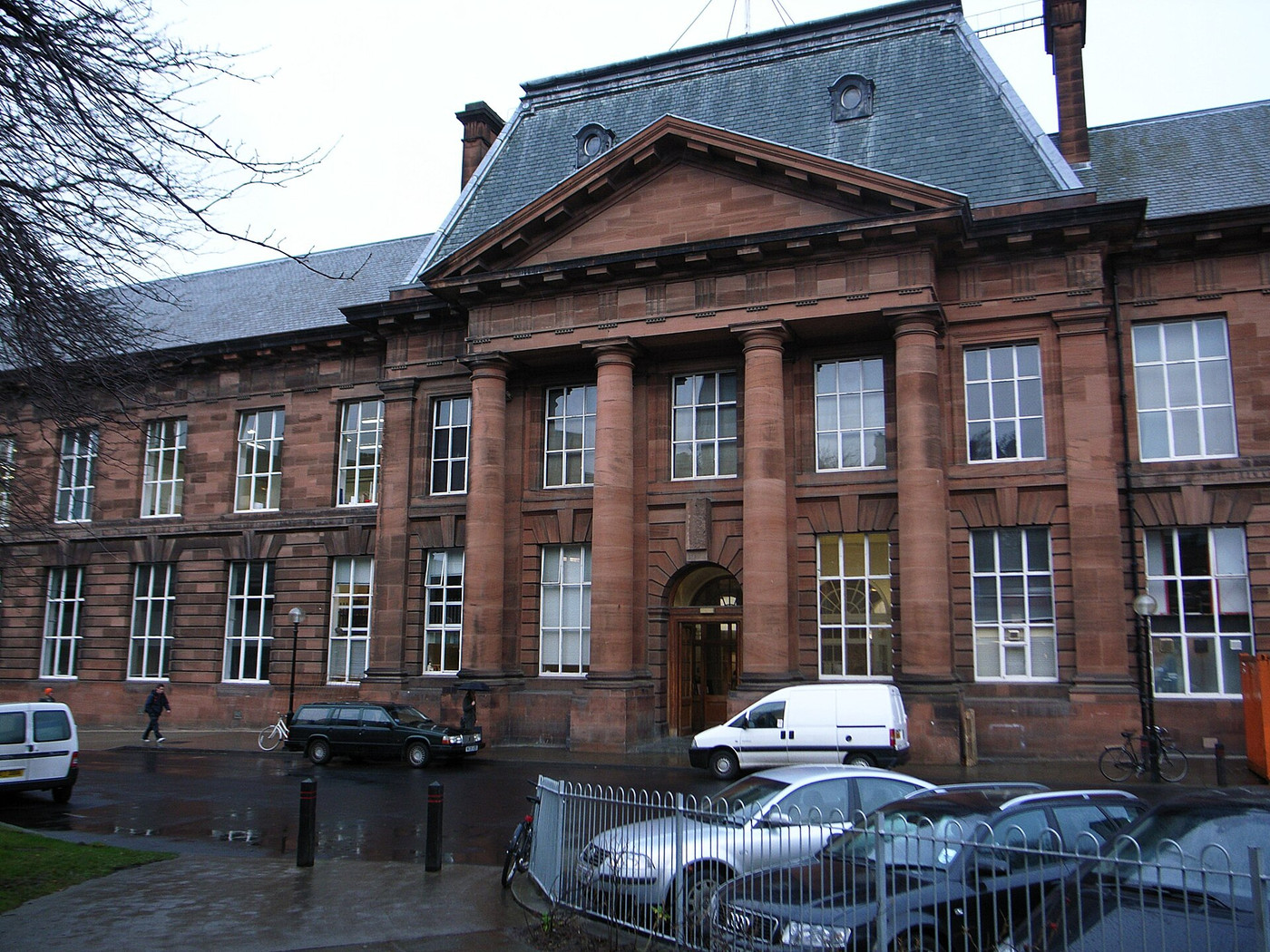
File photo: livepine (CC BY 2.0), via Wikimedia Commons
Costume designers campaigned on October 19, 2026 to save Edinburgh College of Art's costume degree, closing to new students in 2027.
What Happened
Costume designers who trained at Edinburgh College of Art in Scotland are campaigning to save the college's Performance Costume degree, as reported on Monday, 19 October 2026. The University of Edinburgh plans to stop taking new students on three craft and design degrees at the college, Performance Costume, Textiles, and Jewellery and Silversmithing, from 2027. A petition against the closures has passed 16,000 signatures, including those of actors Alan Cumming and Hugh Bonneville, and more than 600 people, among them Oscar-winning costume designer Jenny Beavan, have signed an open letter asking the university to change course.
Key Facts
- Courses affected: the undergraduate degrees in Performance Costume, Textiles, and Jewellery and Silversmithing at Edinburgh College of Art (ECA).
- They are to close to new students in 2027; current students will be taught until they finish, over the next four years.
- The closures are part of a wider plan by the University of Edinburgh to close around 90 degree programmes to new applicants as part of £140 million in budget cuts.
- A petition to reverse the decision has passed 16,000 signatures; actors Alan Cumming and Hugh Bonneville are among the signatories.
- More than 600 people have signed a separate open letter, including costume designer Jenny Beavan, whose credits include Cruella and Mad Max: Fury Road.
- The organisation Craft Scotland is leading a campaign and plans to take its petition to the Scottish Government.
- The university says the subjects will still be represented in the college's wider teaching and that the related expertise and facilities will be kept.
Why It Matters
Fashion is not only what appears on a runway. Behind every film, stage play and television series is a team of costume makers who cut patterns, dye and weave fabric, and build garments by hand. Behind every jewellery counter are trained silversmiths. Courses like these are where many of those people learn the craft. Campaigners say graduates of the Edinburgh courses have gone on to work on productions such as Downton Abbey, Outlander and Game of Thrones.
The closures come as the university seeks large savings, and studio-based craft courses need workshops, equipment and close teaching. The University of Edinburgh has said it is responding to student demand and a changing job market. Campaigners argue the opposite: that the creative industries still need these skills, and that losing the courses would push future talent to train elsewhere and weaken Scotland's creative sector.
The university's answer is that the subjects will not disappear. According to reports, performance costume would be offered as an elective module within a broader fashion degree rather than as a full degree of its own. Supporters of the courses say a single module cannot replace years of hands-on training. Students have also said they learned of the decision only at the start of the term.
Edinburgh College of Art closures at a glance Item | Detail Courses | Performance Costume; Textiles; Jewellery and Silversmithing Closed to new students | From 2027 Current students | Taught out over four years Petition | More than 16,000 signatures Open letter | More than 600 signatures
Impact
Short-term: The campaign will keep pressure on the university and on Scottish politicians, while applicants who hoped to start these degrees in 2027 will need to look at other courses or institutions.
Long-term: If the closures go ahead, fewer specialist costume makers, textile designers and silversmiths may be trained in Scotland, which campaigners say could affect the theatre, film and craft sectors that rely on them.
Who is affected: Students considering design degrees, current ECA students and staff, the film, television and theatre industries that hire costume makers, and craft businesses in textiles and jewellery.
Key Takeaway
Costume designers, actors and craft bodies are campaigning against the University of Edinburgh's plan to close three Edinburgh College of Art craft degrees to new students from 2027, with a petition passing 16,000 signatures.
Questions and Answers
Which Edinburgh College of Art courses are closing?
The University of Edinburgh plans to close its undergraduate degrees in Performance Costume, Textiles, and Jewellery and Silversmithing to new students from 2027. Current students will be taught until they complete their courses over the next four years.
Why is the University of Edinburgh closing the courses?
The closures are part of a plan to close around 90 degree programmes to new applicants as part of £140 million in budget cuts. The university has cited student demand and a changing job market.
Who is opposing the closure of the costume degree?
Former students and costume designers, Craft Scotland and many public figures. More than 16,000 people, including actors Alan Cumming and Hugh Bonneville, have signed a petition, and more than 600, including costume designer Jenny Beavan, signed an open letter.
Will costume design still be taught at Edinburgh College of Art?
The university says the subjects will remain within the college's wider curriculum, and reports say performance costume would become an elective module inside a broader fashion degree, not a full degree.
Disclaimer: Prepared by the Peepals newsroom from publicly available sources with AI assistance. Information is accurate to the best of our knowledge at the time of publication and may change. Images may be representative. Not professional advice. Report an error via our contact page.
Sourced and fact-checked by the Peepals Global Editorial Team
Reported, fact-checked and published by the Peepals Global Editorial Team.