
Forcing wife out, then years of neglect is cruelty: Calcutta HC
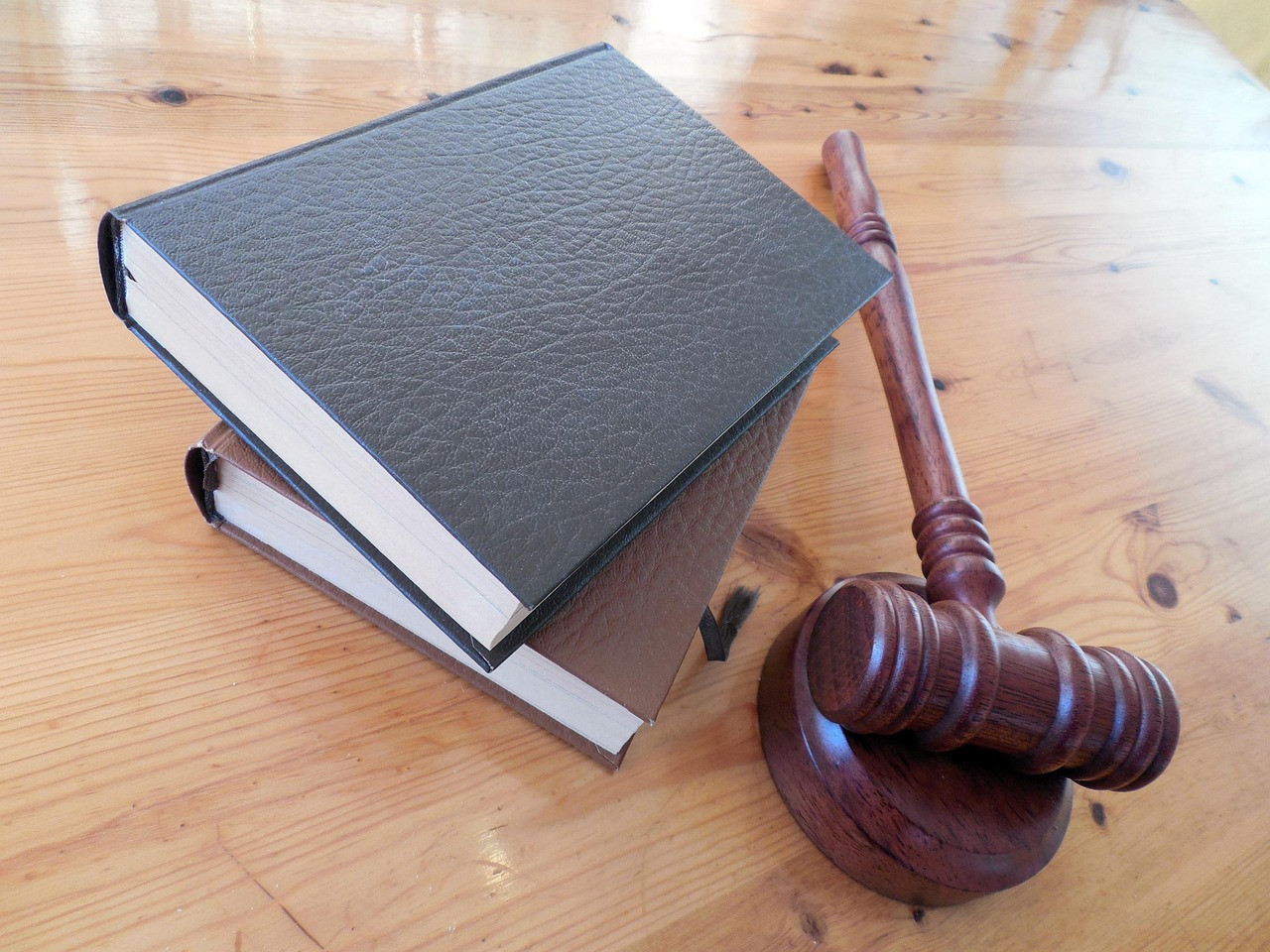
Representative image: succo / Pixabay
Calcutta High Court upheld a wife's divorce on cruelty grounds, ruling that forcing her out and neglecting her and their son for years is cruelty (reported Oct 14, 2026).
What Happened
The Calcutta High Court has upheld a divorce granted to a wife on the ground of cruelty, holding that forcing a spouse out of the matrimonial home, followed by years of total neglect and separation, amounts to cruelty under Hindu law. The ruling, reported on October 14, 2026, was given by a Division Bench of Justices Madhuresh Prasad and Partha Pratim Roy in Arup Kumar Sur v. Anandamoyee Sur. The bench dismissed the husband's challenge to the divorce decree.
Key Facts
- Court: Calcutta High Court, Division Bench of Justices Madhuresh Prasad and Partha Pratim Roy.
- Case: Arup Kumar Sur v. Anandamoyee Sur, an appeal by the husband against a divorce decree in the wife's favour.
- The couple had lived apart for about 14 years.
- The wife said she faced physical and mental torture over dowry demands and was driven out of the matrimonial home with their son.
- The husband denied the allegations and said his wife was unwilling to return.
- The court held that the husband's indifference towards his wife and son, together with the long separation, amounted to cruelty under Section 13(1)(ia) of the Hindu Marriage Act.
- It said irretrievable breakdown is not by itself a ground for divorce under the Act, but a continuing bitter relationship can amount to cruelty.
Why It Matters
Under the Hindu Marriage Act, 1955, a husband or wife can seek divorce only on the grounds listed in the law. Cruelty, under Section 13(1)(ia), is one of the most used grounds. The law does not define cruelty, so courts decide case by case whether conduct has made it unreasonable to expect a spouse to keep living with the other. Physical violence is the clearest example, but courts have long accepted that mental cruelty, such as humiliation, neglect or abandonment, can count as well.
This ruling is important because it treats the end of care, and not only acts of violence, as part of cruelty. The bench looked beyond any single incident to the years in which the husband showed no interest in his wife or their son.
The judgment also deals with a gap in Hindu divorce law. "Irretrievable breakdown of marriage" means a marriage that has failed so completely that there is no realistic chance of the couple living together again. The Hindu Marriage Act does not list it as a separate ground for divorce, and the Calcutta High Court said so plainly. But the bench held that where a relationship stays bitter and hostile over many years, that continuing state can itself amount to cruelty. Separately, the Supreme Court has used its special powers under Article 142 of the Constitution to dissolve marriages in fitting cases; on September 28, 2026, a bench of Justices B.V. Nagarathna and R. Mahadevan held that it can grant a mutual-consent divorce without the usual waiting period once the spouses settle their claims.
For families, the case is a reminder that the law sees marriage as a partnership with duties on both sides, including the duty to care for a spouse and children. A spouse who walks away from those duties cannot later argue that the marriage should be kept alive on paper.
| Point | What the court held |
|---|---|
| Ground for divorce | Cruelty under Section 13(1)(ia) of the Hindu Marriage Act |
| Conduct counted as cruelty | Forcing the wife out, then years of neglect of her and the son |
| Irretrievable breakdown | Not a ground by itself, but a long bitter relationship can be cruelty |
| Result | Husband's appeal dismissed; divorce decree for the wife upheld |
Impact
Short-term: The divorce granted to the wife stands, and the husband's appeal fails. Family courts in West Bengal can cite this judgment when deciding cruelty claims built on long separation and neglect rather than on a single violent incident.
Long-term: The ruling adds to a body of High Court decisions that read cruelty in the light of how a marriage has actually been lived over the years. It may help women who left, or were pushed out of, their marital homes and who are later told that they "deserted" the marriage. The legal question of whether irretrievable breakdown should be a separate ground of divorce remains with Parliament.
Who is affected: Women and men in long-dead marriages governed by the Hindu Marriage Act, especially mothers raising children alone after being forced out of the marital home; lawyers and family courts handling cruelty cases; and children whose parents remain legally married long after they have stopped living as a family.
Key Takeaway
The Calcutta High Court has held that forcing a wife out of the marital home and then neglecting her and the couple's son for years amounts to cruelty that justifies divorce.
Questions and Answers
What did the Calcutta High Court decide in Arup Kumar Sur v. Anandamoyee Sur?
A Division Bench of Justices Madhuresh Prasad and Partha Pratim Roy upheld a divorce granted to the wife on the ground of cruelty, and dismissed the husband's appeal. The ruling was reported on October 14, 2026.
Can long separation and neglect be treated as cruelty in a Hindu divorce case?
Yes, in this case. The court held that forcing a spouse out of the matrimonial home, coupled with years of total neglect and separation, amounts to cruelty under Section 13(1)(ia) of the Hindu Marriage Act.
Is irretrievable breakdown of marriage a ground for divorce under Hindu law?
Not by itself. The Hindu Marriage Act does not list it as a ground, as the court noted. But the court said a continuing bitter and hostile relationship can itself amount to cruelty, which is a ground.
What did each side say in this case?
The wife said she was tortured physically and mentally over dowry demands and was driven out with their son. The husband denied this and said she did not want to come back. The couple had lived apart for about 14 years.
Disclaimer: Prepared by the Peepals newsroom from publicly available sources with AI assistance. Information is accurate to the best of our knowledge at the time of publication and may change. Images may be representative. Not professional advice. Report an error via our contact page.
Sourced and fact-checked by the Peepals Global Editorial Team
Philippine Military Academy gets its first woman Commandant of Cadets
Mizoram strawberry farmer named among FAO's 100 Women Heroes
Reported, fact-checked and published by the Peepals Global Editorial Team.