
Oxfam: rural women's work doubled, but 59% of self-employed are unpaid
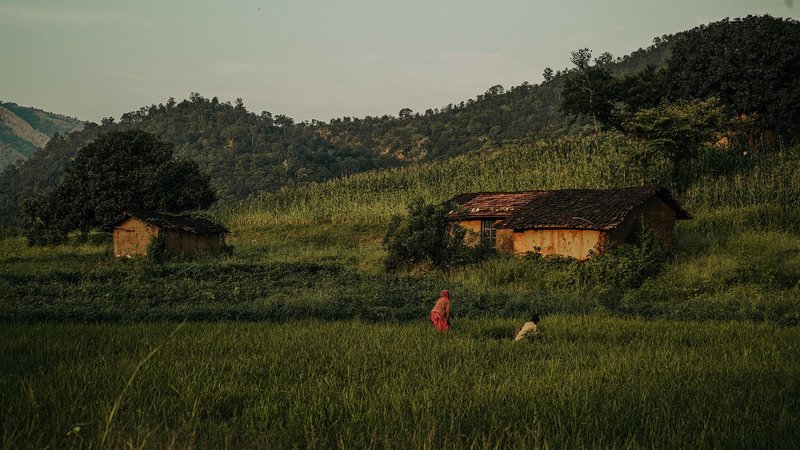
Representative image: Pexels / Pixabay
Oxfam India's study, reported on October 19, 2026, says rural women's workforce share rose to 47.6%, but 59% of self-employed women are unpaid family helpers.
What Happened
A new study by Oxfam India, reported on Monday, October 19, 2026, says the sharp rise in the number of rural Indian women counted as working reflects economic distress more than new job opportunities. According to the study, rural women's labour force participation rose from 24.6% in 2017-18 to 47.6% in 2023-24, but most of the increase came from self-employment, and 59% of self-employed rural women were unpaid helpers in family enterprises such as farms and small shops.
Key Facts
- Participation: rural women's labour force participation rate rose from 24.6% in 2017-18 to 47.6% in 2023-24, according to Oxfam's analysis of official survey data.
- Self-employment: the share of rural women workers classed as self-employed rose from 57% to 72.2% over the same period.
- Unpaid work: 59% of these self-employed women were unpaid helpers in family enterprises.
- Regular jobs: the share of rural women in salaried jobs fell from 11% to 8%, and casual labour fell from 32% to 20%.
- Rural jobs scheme: women accounted for 54% of person-days under MGNREGA, the rural employment guarantee, which Oxfam notes has since been replaced by the VB-GRAM-G Act.
- Official data: the latest monthly Periodic Labour Force Survey (PLFS) bulletin, released on October 15, 2026, showed unemployment among rural women at 3.9%, a different measure from Oxfam's multi-year comparison.
Why It Matters
Women's participation in paid work is often used as a sign of economic progress and of women's independence. On paper, India's rural numbers look like a major advance: almost twice the share of rural women are now counted as part of the workforce compared with six years earlier. Oxfam's argument is that the headline hides what kind of work this is.
In India's labour surveys, "self-employed" covers a wide range of people, from a woman who owns and runs a shop to one who helps on her family's farm without being paid. When most of the growth is in the second group, women are working more but not necessarily earning more or gaining control over income. Oxfam reads this as a sign that families under financial pressure are pulling more members, especially women, into family work, rather than women moving into new jobs of their own.
For women's wellbeing and life balance, the issue is the double load. Unpaid work in the family enterprise usually comes on top of unpaid housework and caregiving, which official time-use surveys show women already carry far more of than men. More hours of work without pay can mean less time for rest, health and education, and little financial security. The fall in salaried jobs, which usually bring regular income, leave and social security, deepens that concern.
The role of the rural employment guarantee is also central. Women made up more than half of the work days under MGNREGA, which offered paid work close to home. How its replacement under the VB-GRAM-G Act serves women will matter for whether rural women can turn their work into income.
| Measure | 2017-18 | 2023-24 |
|---|---|---|
| Rural women's labour force participation | 24.6% | 47.6% |
| Self-employed share of rural women workers | 57% | 72.2% |
| Salaried share | 11% | 8% |
| Casual labour share | 32% | 20% |
Impact
Short-term: The study adds to the debate over how to read India's rising women's workforce numbers, and may prompt questions about how official surveys classify unpaid family work.
Long-term: If more rural women are to gain paid, secure work, policies would need to focus on regular jobs, skills, childcare and access to credit for women-run enterprises, rather than on participation rates alone.
Who is affected: Rural women and their families, policymakers in labour and rural development, state governments running employment schemes, and researchers and organisations that track women's work.
Key Takeaway
Oxfam India's study, reported on October 19, 2026, finds rural women's workforce participation nearly doubled to 47.6% by 2023-24, but 59% of self-employed rural women are unpaid family helpers, pointing to distress rather than new jobs.
Questions and Answers
What did the Oxfam India study find about rural women's work?
It found rural women's labour force participation rose from 24.6% in 2017-18 to 47.6% in 2023-24, but most of the rise was in self-employment, and 59% of self-employed rural women were unpaid helpers in family enterprises.
Does more women working mean more women earning?
Not necessarily, according to the study. The share of rural women in salaried jobs fell from 11% to 8%, while unpaid family work grew, so many women counted as working do not earn their own income.
How does this compare with official unemployment data?
The PLFS monthly bulletin released on October 15, 2026 showed rural women's unemployment at 3.9%. That measures people looking for work without finding it, which is different from Oxfam's analysis of what kind of work women do.
Disclaimer: Prepared by the Peepals newsroom from publicly available sources with AI assistance. Information is accurate to the best of our knowledge at the time of publication and may change. Images may be representative. Not professional advice. Report an error via our contact page.
Sourced and fact-checked by the Peepals Global Editorial Team
UAE's Lana Nusseibeh joins race to become first woman UN Secretary-General
SZA's first Vans collection, VANSZA Drop 1, goes on sale October 22
Reported, fact-checked and published by the Peepals Global Editorial Team.