
Trump women's health executive order: new NIH division and task force

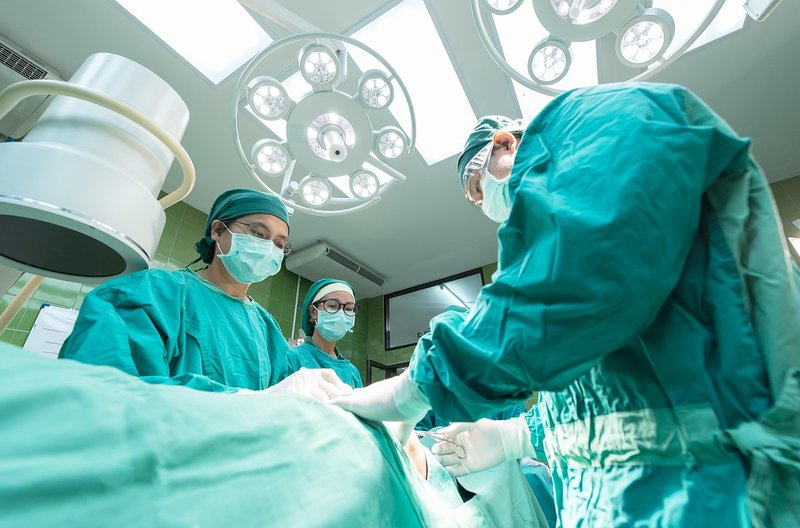
Representative image: ckstockphoto / Pixabay
Trump signed a women's health executive order on October 19, 2026, asking the NIH to set up a women's health division within 90 days and creating a White House task force.
What Happened
US President Donald Trump signed a women's health executive order on Monday, October 19, 2026, at the White House. The order tells the Department of Health and Human Services to create a dedicated women's health division inside the National Institutes of Health within 90 days, and it sets up a White House Women's Health Task Force. The White House said the effort was led by First Lady Melania Trump. The order also cancels the women's health research order signed by former President Joe Biden in March 2024.
Key Facts
- The order was signed on October 19, 2026, and is titled "Advancing Women's Health to Improve Outcomes in All Phases of Life", according to the White House.
- The National Institutes of Health (NIH), the main US government body for medical research, must place a new women's health division inside one of its existing institutes or centres within 90 days.
- The new division will work alongside the NIH's Office of Research on Women's Health, which has existed since 1990, rather than replace it.
- The task force is co-chaired by Health and Human Services Secretary Robert F. Kennedy Jr. and White House Chief of Staff Susie Wiles.
- Conditions named as research priorities include endometriosis, menopause, uterine fibroids, infertility and polycystic ovary syndrome (PCOS), along with heart disease, cancer and Alzheimer's disease.
- The order sets no specific funding amount; carrying it out depends on existing law and on money Congress provides.
- It revokes Executive Order 14120 of March 18, 2024, and a November 13, 2023 presidential memorandum that had set up a White House initiative on women's health research.
Why It Matters
For decades, medical research has studied men far more than women. Many drugs and devices were tested mostly on male patients, and conditions that affect only or mostly women have received less attention and money than their burden would suggest. Endometriosis, in which tissue similar to the lining of the womb grows outside it, can cause severe pain and infertility, yet patients often wait years for a diagnosis.
The new order tries to give these subjects a fixed home inside the world's largest public funder of biomedical research. According to the reports of the order, it also asks that more women and girls be included in clinical trials and that grant holders consider sex as a biological variable, meaning researchers should check whether a treatment works differently in women and men. That matters because a result found only in men may not hold for women.
There are open questions. The order does not name a budget, and critics have pointed out that the NIH has lost thousands of employees to layoffs, which could limit how much new work it can take on. The order also replaces, rather than builds on, an earlier White House initiative with similar aims, so researchers will be watching whether projects begun under the previous order continue. The First Lady's signature on the document carries no legal weight; the legal force comes from the President's.
For readers outside the United States, including in India, the order is still relevant. Research funded by the NIH is published openly and shapes medical guidelines, drug trials and textbooks around the world. More data on menopause, PCOS and endometriosis in American studies can, over time, feed into better understanding everywhere, although results from one population do not always apply directly to another.
| What the order covers | Detail |
|---|---|
| Signed | Monday, October 19, 2026 |
| NIH division deadline | Within 90 days |
| Task force co-chairs | Robert F. Kennedy Jr. and Susie Wiles |
| Funding | No specific amount named |
| Revoked | Executive Order 14120 (March 2024) and a November 2023 memorandum |
Impact
Short-term: Over the next three months, the NIH has to decide which institute or centre will house the new division and how it will share work with the existing Office of Research on Women's Health. The task force has begun its work, but reports say the order sets few public deadlines or reporting duties for it.
Long-term: If money and staff follow, the division could steer more grants towards conditions such as endometriosis, fibroids, PCOS and menopause, and push more studies to report results separately for women and men. If funding does not follow, the change may stay largely organisational.
Who is affected: Women and girls whose conditions have been under-studied, US medical researchers who apply for NIH grants, patient groups, and doctors anywhere who rely on published research to treat women.
Key Takeaway
The October 19 order creates a new women's health division at the NIH and a White House task force, but it names no funding, so its real effect will depend on the money and staff that follow.
Questions and Answers
What does the Trump women's health executive order do?
Signed on October 19, 2026, it tells the US health department to set up a women's health division inside the National Institutes of Health within 90 days, creates a White House Women's Health Task Force, and lists research priorities such as endometriosis, menopause, fibroids, infertility and PCOS.
Does the order come with new money for women's health research?
No specific amount is named. Reports of the order say it will be carried out subject to existing law and the funds Congress makes available.
What happens to the earlier Biden-era women's health research order?
It is revoked. The new order cancels Executive Order 14120 of March 18, 2024, and a November 2023 memorandum that created a White House initiative on women's health research.
Why does research on women's health need separate attention?
Many medicines and treatments were historically tested mostly on men, and conditions that mainly affect women, such as endometriosis and menopause symptoms, have had less study. Including more women in trials and analysing results by sex helps show whether a treatment works the same way for women.
Disclaimer: Prepared by the Peepals newsroom from publicly available sources with AI assistance. Information is accurate to the best of our knowledge at the time of publication and may change. Images may be representative. Not professional advice. Report an error via our contact page.
Sourced and fact-checked by the Peepals Global Editorial Team
Reported, fact-checked and published by the Peepals Global Editorial Team.